
Overview
Oceans are critical for planetary ecosystems, acting as the largest carbon sink on Earth and essential for climate regulation and human survival.
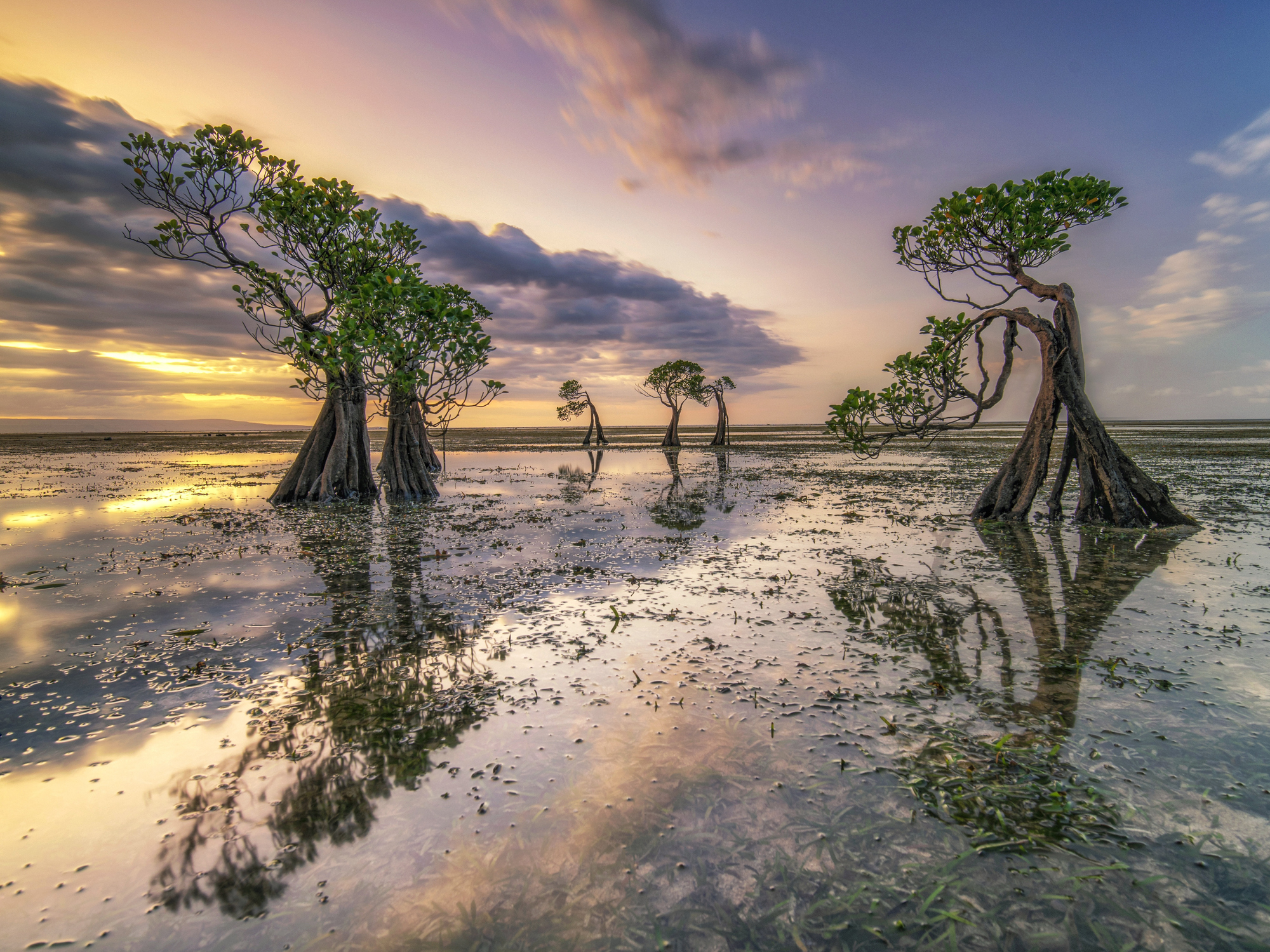
Coastal zones house unique habitats, like seagrass beds and saltmarshes, which stabilise sediments, provide essential ecosystem services, and support marine food webs; coral reefs, which provide biodiversity hubs and natural barriers against waves; and mangrove forests that protect coastlines, filter water, and act as nurseries for countless species. Further offshore, the High Seas contain a myriad of large and small marine and benthic fauna, vital to ecological functioning and carbon cycles, some undertaking exceptional migrations, many of nutritional and economic importance. Coastal and marine ecosystems, which are so vital for biodiversity and livelihoods, are under threat from climate change, habitat destruction and several forms of pollution and anthropic action.
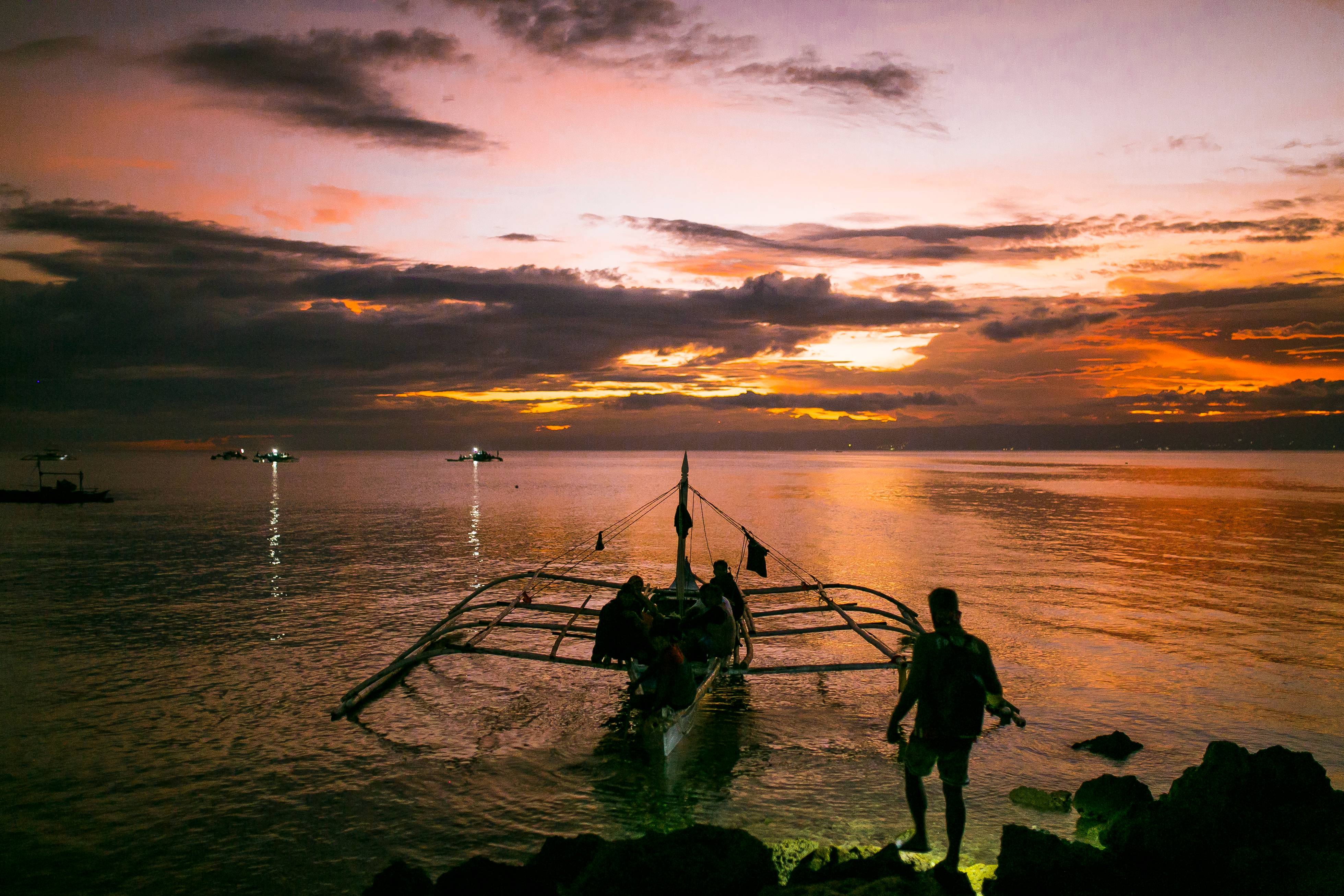
Oceans and coasts also support livelihoods and economies, providing a substantial portion of global GDP. A thriving ocean will provide essential "blue natural capital" for economies, societies, and huge support for a climate-resilient planet. But to be sustainable, the global blue economy must operate as a nature-aligned economic model. Meanwhile, integrated conservation, adaptation and mitigation interventions are essential to support coastal and island populations facing existential threats from climate change and ocean degradation.
Economic and trade contributions in the Blue Economy come from sectors like marine renewable energy, biotechnology, sustainable fisheries, and blue-carbon projects. Initiatives such as increasing offshore wind power and decarbonising shipping are central to the mitigation agenda. The Blue Economy's future depends on a coordinated approach that incorporates environmental, economic, and social considerations.
NIRAS believes that global development of the Blue Economy has to be about managing sustainable economic activities reliant on the ocean's resources while prioritising environmental conservation and protecting vulnerable livelihoods. We are involved in developing marine conservation, renewable energy, sustainable ports, and marine infrastructure, reflecting our commitment to both economic growth and ocean stewardship. NIRAS aims to promote a sustainable Blue Economy that can drive global progress toward sustainability and resilience.
Achieving a sustainable Blue Economy requires a more human-centred and equitable approach that meets commercial goals where these are within environmental goals.
Engaging coastal communities, protecting marine workers, and creating real, 3-dimensional marine protected areas (MPAs) while addressing social issues.
With shipping contributing 3% of global emissions, installing zero-carbon technologies and promoting alternative fuels can reduce the sector’s environmental impact.
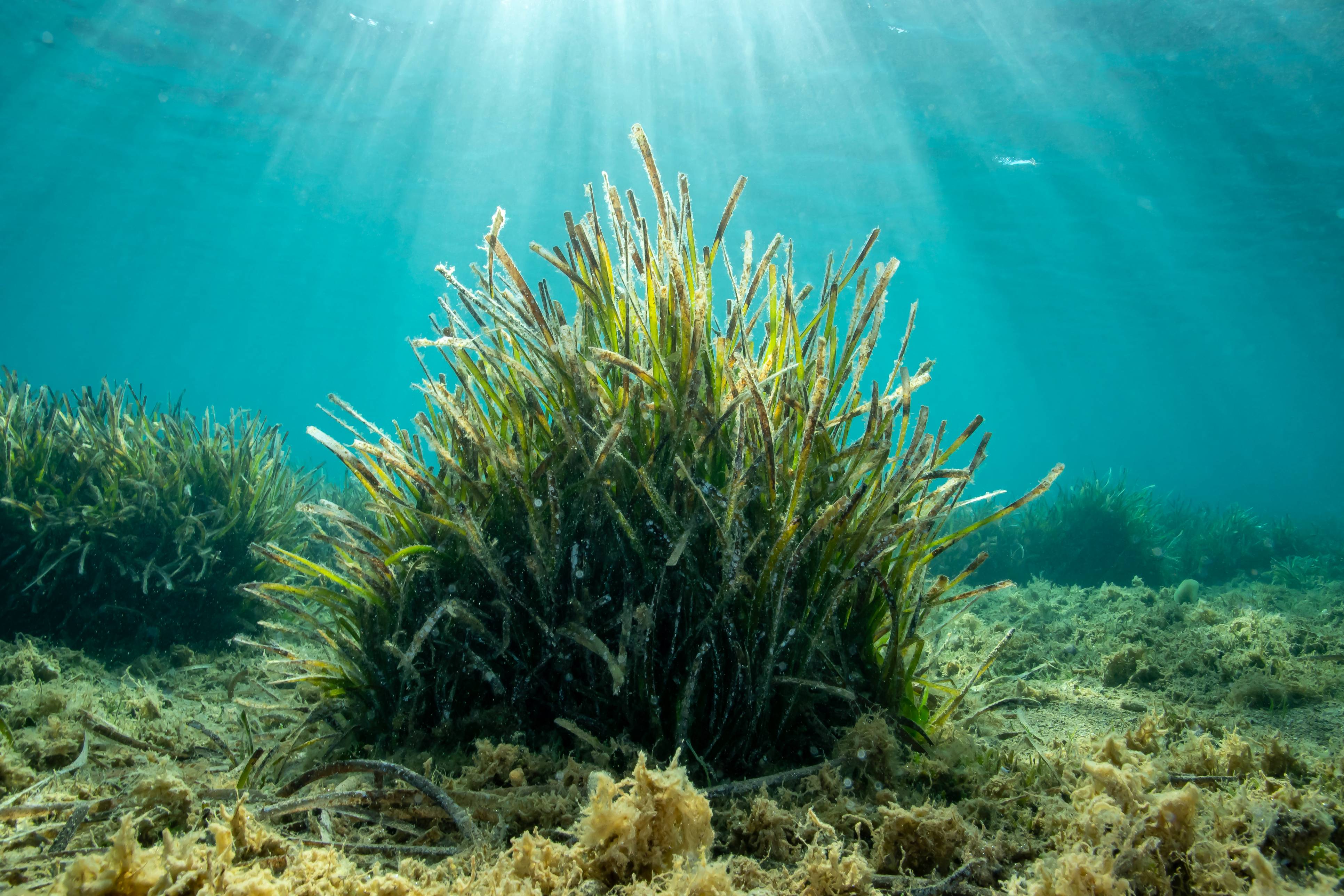
Ecosystems like mangroves, seagrasses, and tidal marshes serve as carbon sinks and support biodiversity. Blue bonds and other financial instruments can fund the conservation of these ecosystems.
Promoting responsible seafood farming, including species low in the food chain and those that are carbon positive such as oysters, and combating illegal fishing through tracking systems and sustainable management practices.
Ocean-based energy, especially offshore wind, is key in the global clean energy transition. NIRAS collaborates on projects like the North Sea Energy Island, which will generate 10 GW from offshore wind. Other technologies, such as hydrogen production, can decarbonise shipping and provide energy storage, benefiting remote islands and relieving land-based grids.
Creation of both aquatic and terrestrial habitats for birds and animals that benefit biodiversity.

