
Transforming Financial Inclusion for Women around the World

FUNDER
KfW

DURATION
2024 – 2025
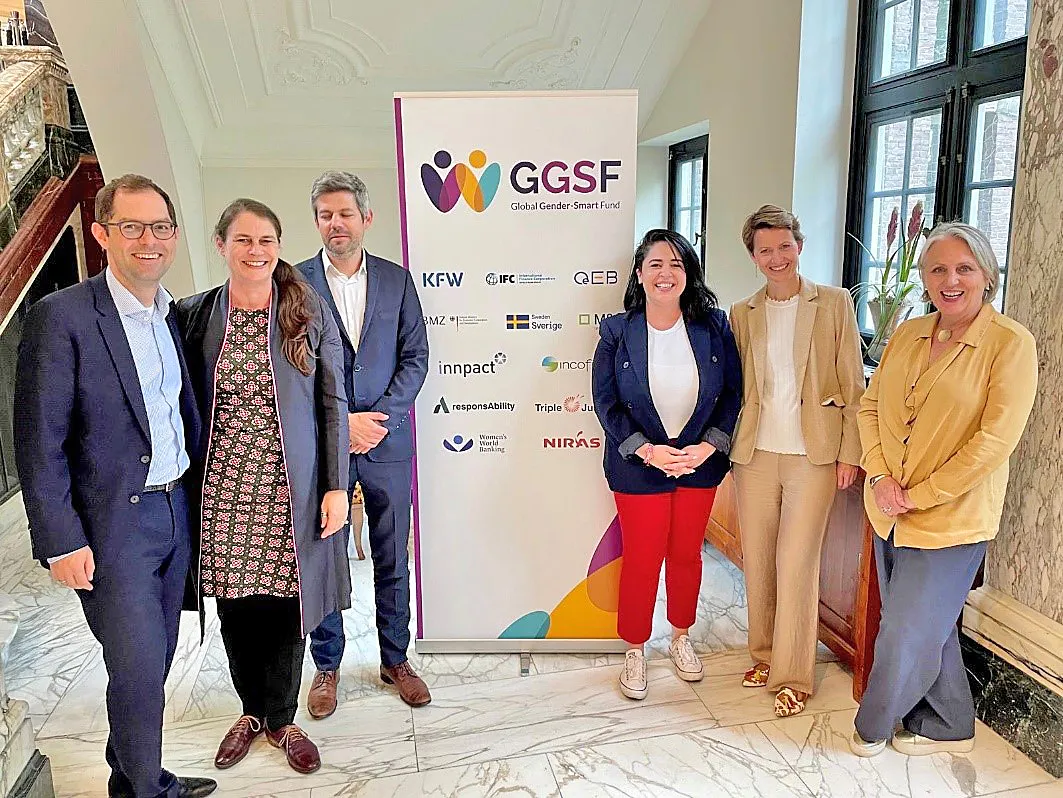
The Global Gender-Smart Fund – a $500 million blended finance facility – works to close the funding gap faced by women and women-led businesses in developing markets. Its aim is to make gender equality a natural part of how financial institutions operate. Within this framework, NIRAS has supported banks and financial institutions to design and implement Gender Action Plans, improve workplace equality, and develop financial products tailored to women entrepreneurs. We have also introduced systems to collect and use sex-disaggregated data, helping partners track progress and adjust strategies. These efforts are reducing barriers to finance and creating fairer opportunities for women to grow their businesses and livelihoods.
Transforming Financial Inclusion for Women around the World
Building Social Cohesion and Regional Development in Ukraine
FUNDER
SDC
DURATION
2022 – 2026
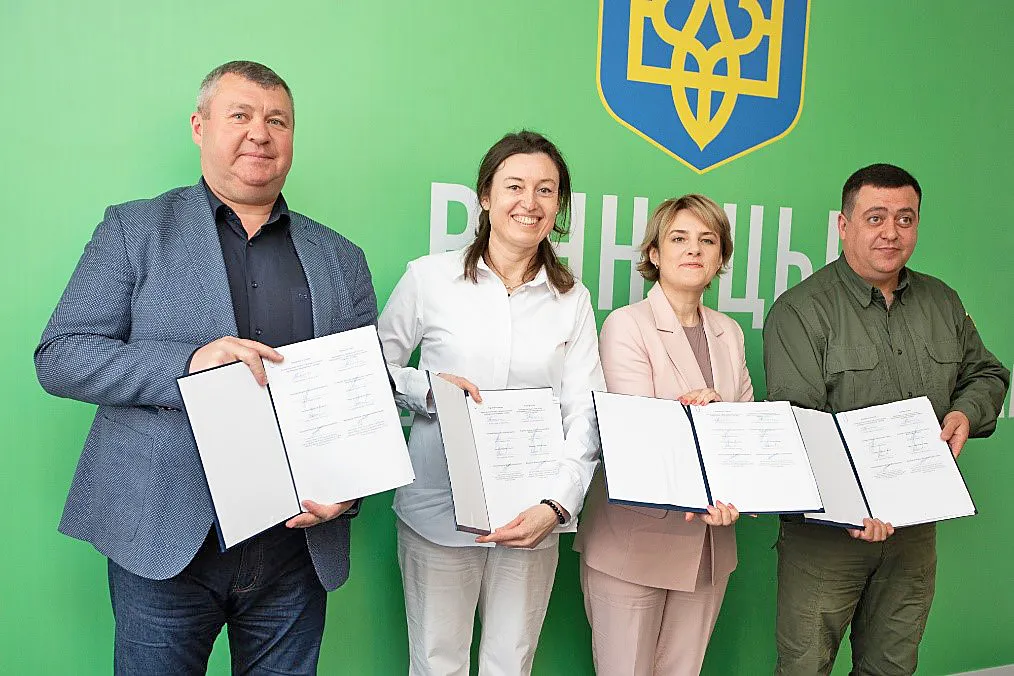
The Ukraine Cohesion and Regional Development (UCORD) project strengthens cooperation between citizens, businesses, and authorities to support inclusive recovery and development in Ukraine, with gender equality built into every step. Active in Khmelnytskyi, Sumy, Ternopil, and Vinnytsia, UCORD helps regional institutions apply gender-responsive budgeting, planning, and monitoring. The project has improved public services by embedding gender criteria in water, sanitation, and waste management projects, ensuring equal access for everyone. It also fosters social cohesion through culture and dialogue and creates opportunities for underrepresented citizens in the creative economy. Together with Ukrainian ministries and UN Women, UCORD is producing regional gender profiles that provide the evidence base for more inclusive governance.
This project has improved public services by embedding gender criteria in water, sanitation, and waste management projects, ensuring equal access for everyone.
Building Social Cohesion and Regional Development in Ukraine
Bringing Together Civil Society in the EU’s Neighbouring Countries in the Name of Gender Equality
FUNDER
EC
DURATION
2024 – 2027
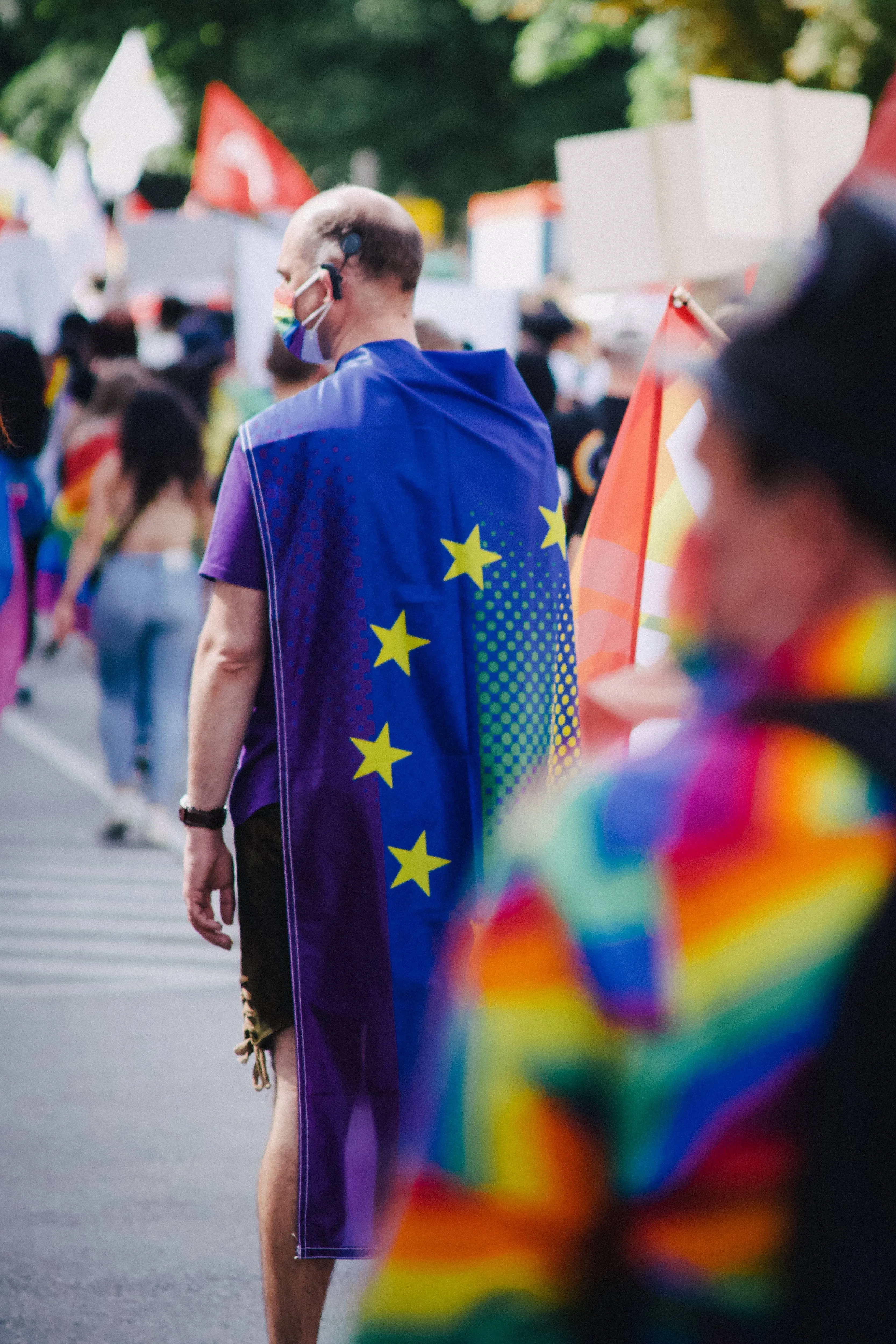
Phase II of the EU4Gender Equality Reform Helpdesk supports reforms in Eastern Partnership countries by embedding gender perspectives into policymaking and legislation. Building on Phase I, the Helpdesk provides rapid, on-demand expertise to governments and EU Delegations, covering sectors such as justice, labour, healthcare, education, economic development, climate, and digitalisation. The project strengthens the capacity of institutions to design and implement gender-responsive reforms, while enabling civil society and women’s rights organisations to influence policy more effectively. It also drives regional learning and coordination through working groups, studies, tools, and events, ensuring reforms are inclusive and aligned with both EU acquis and Ukraine’s recovery needs.
The project strengthens the capacity of institutions to design and implement gender-responsive reforms, while enabling civil society and women’s rights organisations to influence policy more effectively.
Bringing Together Civil Society in the EU’s Neighbouring Countries in the Name of Gender Equality
Participatory Steps Towards Safe and Improved Water Supply in Rural Nepal
FUNDER
MFA Finland
DURATION
2021 – 2027
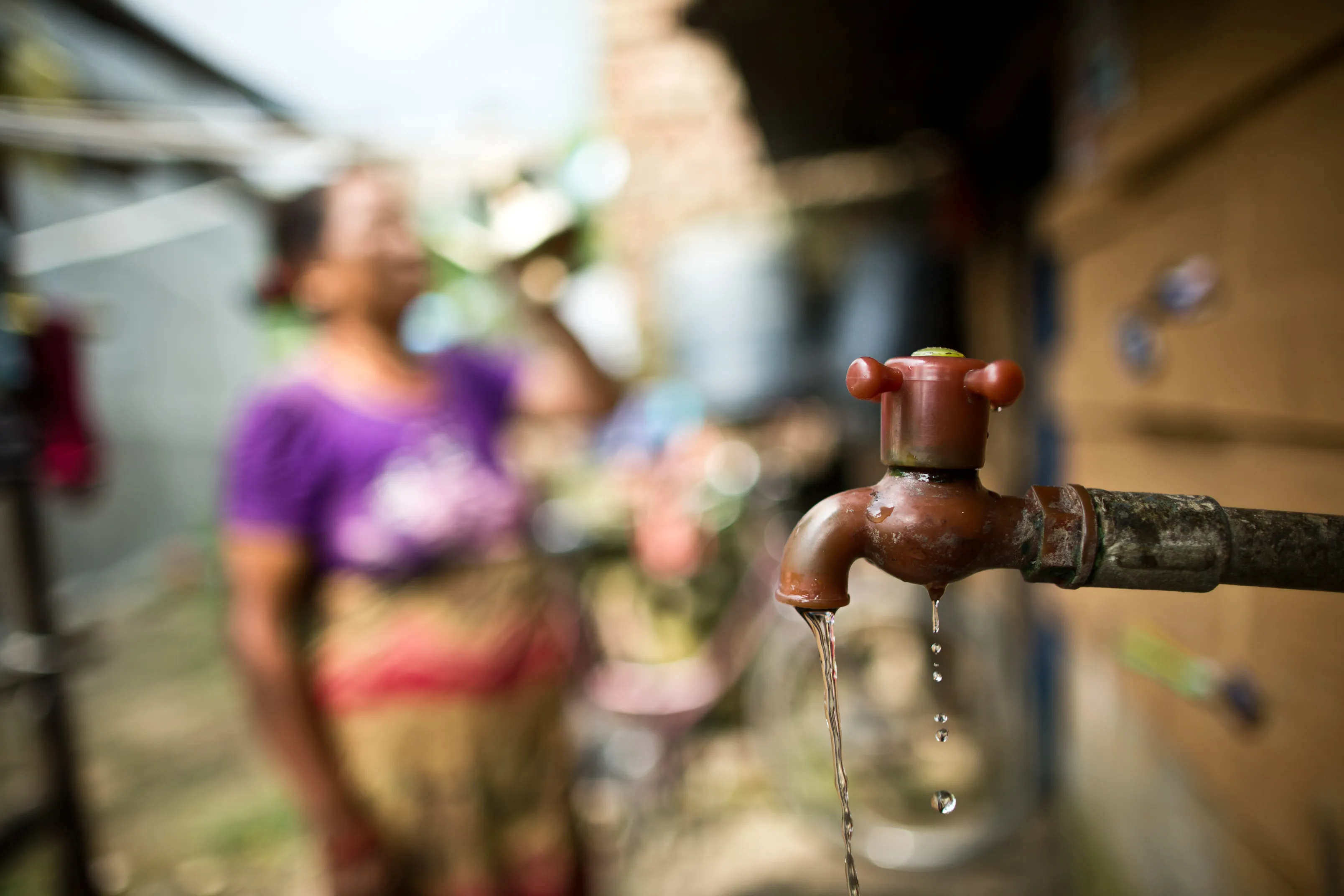
In Nepal’s Karnali Region, 200,000 people now have access to improved water supply and 296,000 benefit from better sanitation and hygiene, thanks to the Sustainable WASH for All (SUSWA) project. The project also introduced 150 institutional toilets and advanced menstrual dignity and women’s rights by engaging women’s groups, religious leaders, and disability organisations. At its core, SUSWA builds accountable municipal WASH systems that are inclusive, climate-resilient, and responsive to the needs of women, girls, and marginalised groups. Using the WSP+++ model, it combines technical sustainability with climate adaptation, disaster risk reduction, and gender equality. In doing so, SUSWA contributes directly to SDG 6 (Clean Water & Sanitation) and SDG 5 (Gender Equality).
200,000 people now have access to improved water supply and 296,000 benefit from better sanitation and hygiene.
Participatory Steps Towards Safe and Improved Water Supply in Rural Nepal
Drivers of Change in Mali
FUNDER
DANIDA
DURATION
2018 – 2028
Since 2017, the Fond d’Appui aux Moteurs du Changement (FAMOC) project has supported peace, stability, and reconciliation in Mali by empowering youth-led civil society organisations as drivers of democratic transformation. In its first phase, the project deployed 2,329 election observers, trained youth groups in peacebuilding, governance, and advocacy, created the collaborative “FAMOC dynamic” platform, and channelled €10.5 million in grants to strengthen local resilience. The second phase builds on these foundations, focusing on expanding the role of youth and women in peacebuilding, reinforcing human rights advocacy, and promoting inclusive governance. It also introduces digital monitoring systems to track CSO activities and impact even in remote conflict-affected areas. Through these efforts, FAMOC continues to strengthen local leadership, democratic resilience, and inclusive development in Mali.
The project deployed 2,329 election observers, trained youth groups in peacebuilding, governance, and advocacy, and channelled €10.5 million in grants to strengthen local resilience.
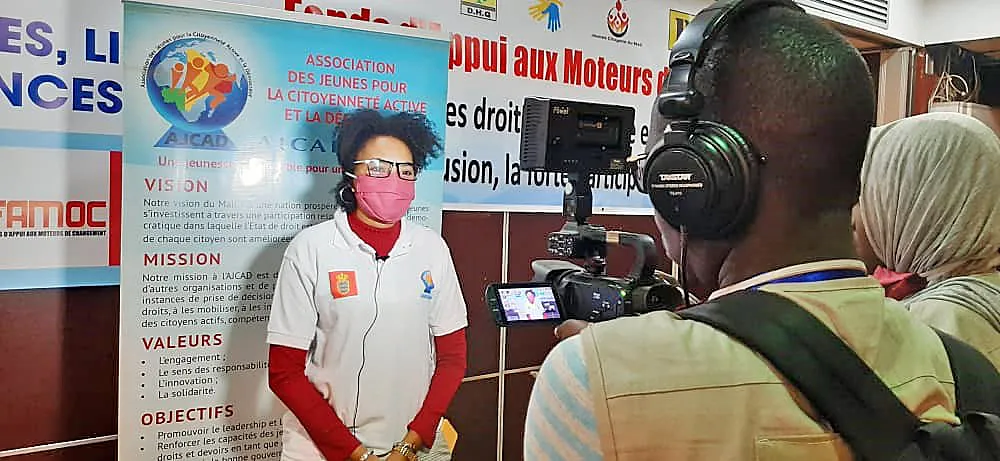
Drivers of Change in Mali
SAGE Developmental Evaluation
FUNDER
Gates Foundation
DURATION
2024 – 2029
The SAGE initiative embeds gender equality expertise within partner organisations to strengthen development outcomes across sectors. NIRAS leads its multi-year developmental evaluation, designed not only to measure impact but also to generate real-time learning on how gender mainstreaming transforms programmes. The evaluation combines developmental, theory-based, and utilisation-focused methods, moving from co-created, adaptive learning in the early stages to a full assessment of long-term impact. A cohort approach allows shared trends and lessons to emerge across partners, while a gendered evaluation lens ensures that equity, cultural humility, and organisational change remain central. Through this process, SAGE is building a culture of inclusive learning and sustainable impact, offering practical insights that can guide more effective gender-responsive programming worldwide.
NIRAS leads the SAGE initiative's multi-year developmental evaluation, designed not only to measure impact but also to generate real-time learning on how gender mainstreaming transforms programmes.

SAGE Developmental Evaluation
Anchoring Democratic Participation at the Local Level in Tunisia
FUNDER
SDC
DURATION
2020 – 2027
The Participation Active des Citoyennes et Citoyens Tunisiens (PACT) programme supports Tunisia’s democratic transition by strengthening human rights, gender equality, and citizen participation in six underserved governorates of the Hautes Steppes. The programme creates inclusive community forums where women, youth, and marginalised groups can voice their priorities, while also training municipal officials and CSOs to uphold transparency, accountability, and gender equality.
By promoting rights-based local governance, PACT fosters trust between citizens and local authorities, making institutions more responsive and accountable. Grants and technical support further empower communities to lead their own development, ensuring that Tunisia’s democratic transition is rooted in fairness, participation, and social justice.
The programme creates inclusive community forums where women, youth & marginalised groups can voice their priorities, while also training municipal officials and CSOs to uphold transparency, accountability, and gender equality.
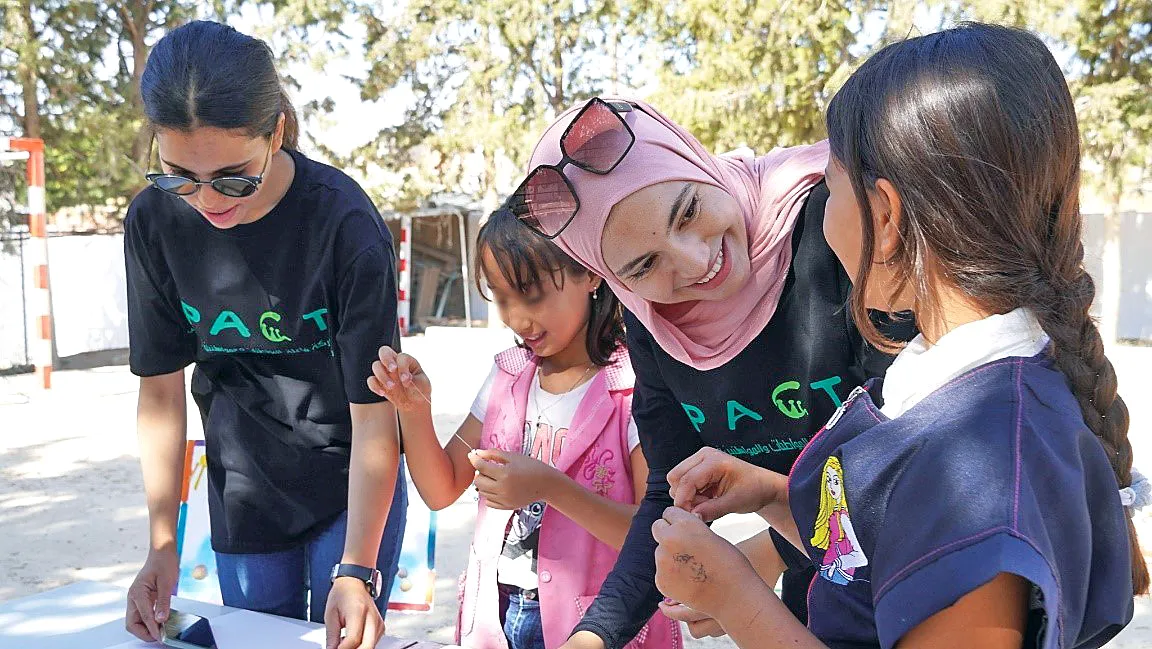
Anchoring Democratic Participation at the Local Level in Tunisia
Breaking the Glass Ceiling in Tanzania
FUNDER
EC
DURATION
2023 – 2026
Led by the Government of Tanzania with UN Women, UONGOZI Institute, civil society, and international partners, the Breaking the Glass Ceiling gender equality programme drives systemic reform to advance women’s empowerment, leadership, and participation in decision-making while embedding gender equality across national development strategies. NIRAS supports ministries on the mainland and in Zanzibar to build institutional gender capacities, develop and implement gender-responsive policies and action plans, and strengthen governance through training, organisational development, and strategic planning. We also help design and deliver a national communication campaign that promotes women’s leadership and challenges social norms. Together with national partners, the programme is creating an environment where women and girls can thrive, lead, and shape Tanzania’s future.
NIRAS supports ministries on the mainland and in Zanzibar to build institutional gender capacities, develop and implement gender-responsive policies and action plans, and strengthen governance through training, organisational development, and strategic planning.
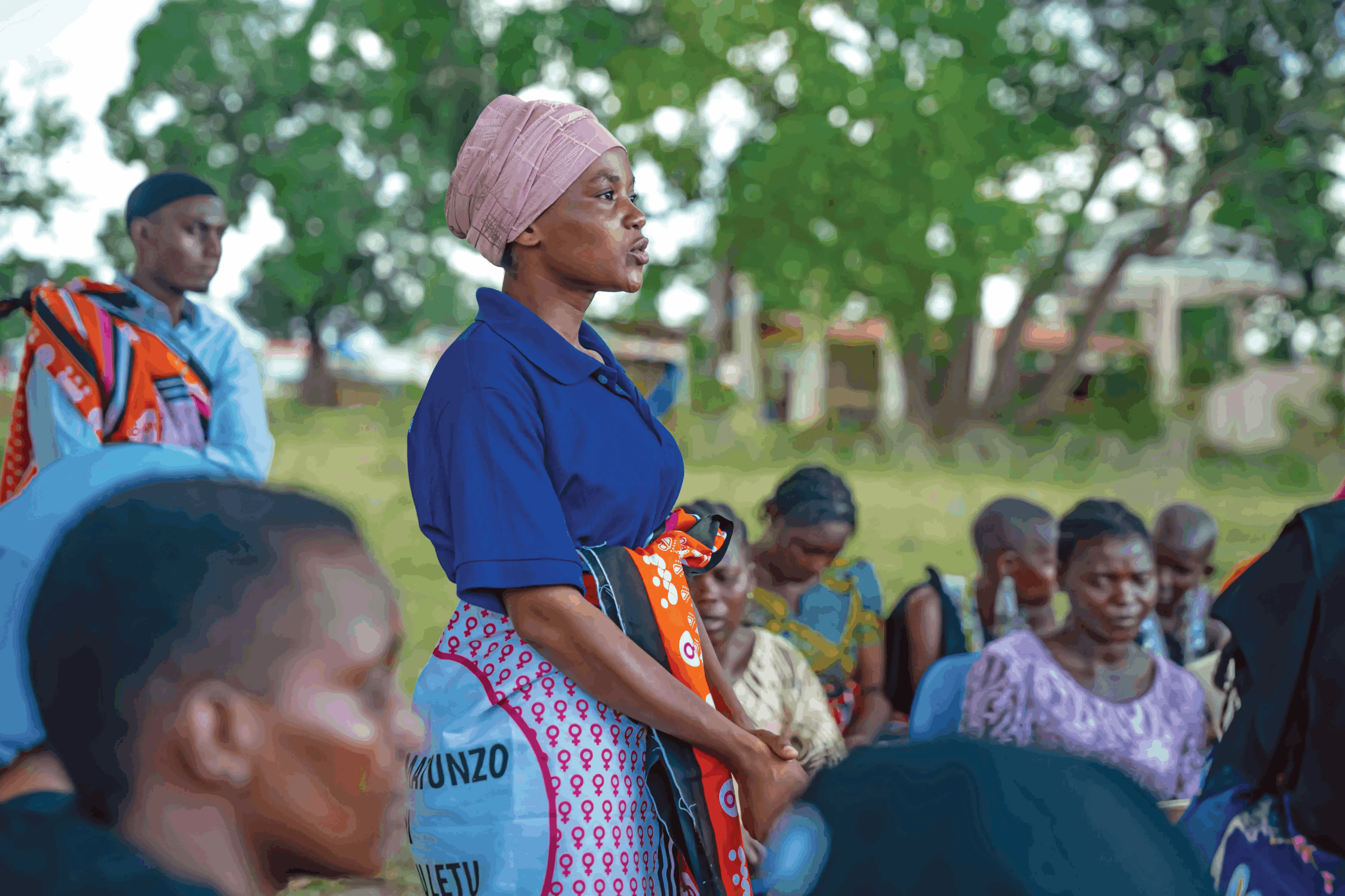
Breaking the Glass Ceiling in Tanzania
Framework Agreement on Gender Equality
FUNDER
AFD
DURATION
2023 – 2025
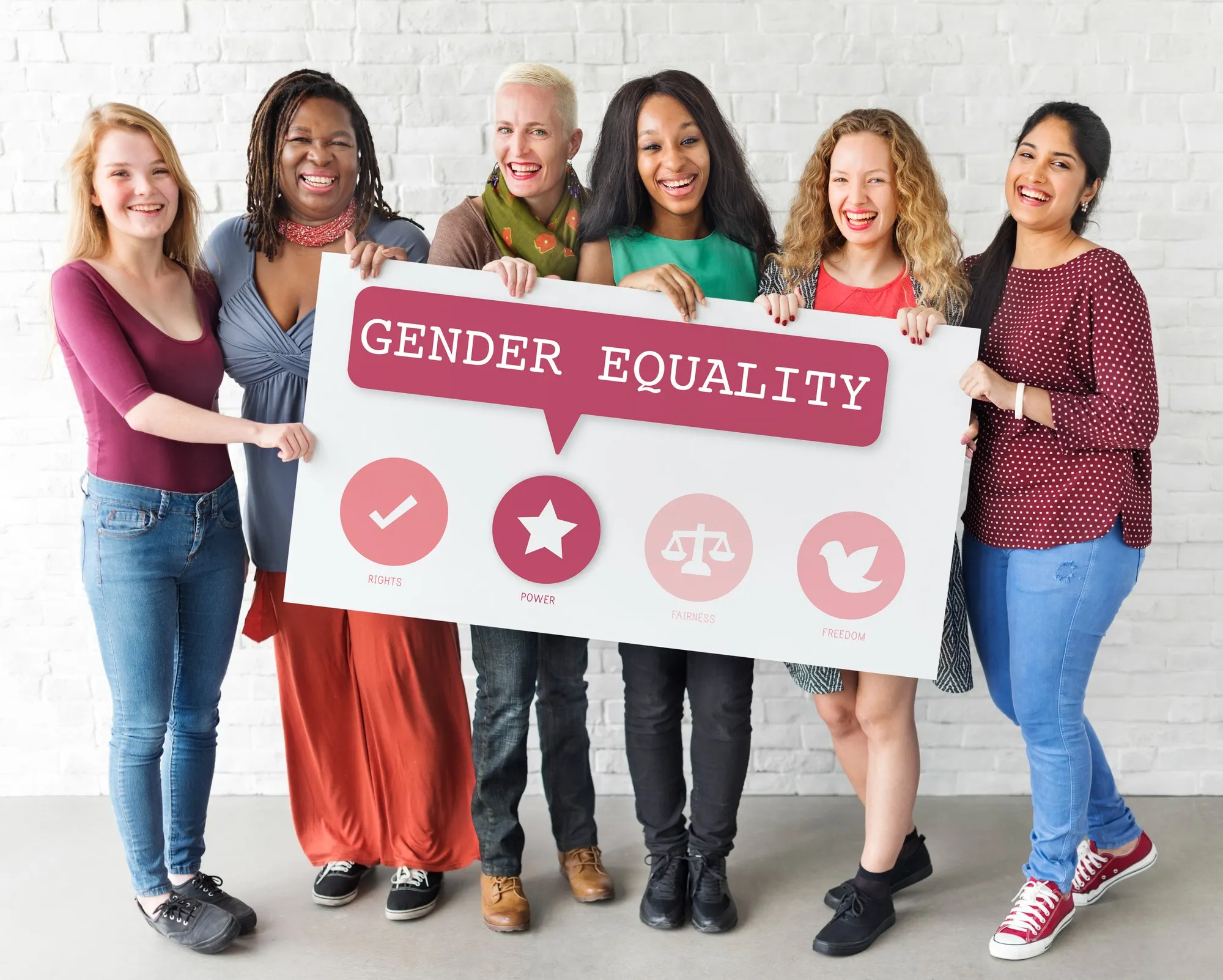
NIRAS provided strategic expertise to the French Development Agency (AFD) Group, including Proparco, ensuring that gender equality is integrated across operations in Africa, Asia, Latin America, and at AFD headquarters in Paris. Through this framework, we have delivered technical assistance, gender analyses, feasibility studies, training, and strategy support, applying OECD DAC gender markers across multiple sectors including health, education, climate, infrastructure, and governance. Assignments ranged from developing a Gender Action Plan for electricity distribution in Niger and conducting a gender diagnosis for job creation in Guinea, to supporting mainstreaming strategies in Pakistan, and carrying out assessments in Kosovo and India. We have also advanced gender-responsive strategies in Brazil, Colombia, Mexico, Egypt, and Morocco, and produced toolkits on Gender & Governance alongside a study on gender and social bonds for AFD headquarters. This work has helped AFD strengthen its capacity to deliver gender-smart and inclusive development, ensuring policies and investments translate into tangible progress for women and men worldwide.
We have delivered technical assistance, gender analyses, feasibility studies, training, and strategy support, applying OECD DAC gender markers across multiple sectors including health, education, climate, infrastructure, and governance.
Framework Agreement on Gender Equality
Supporting Transformational Change to Reduce Gender-Based Violence (GBV) in Kenya
FUNDER
MFA Finland
DURATION
2021 – 2024
NIRAS implemented a transformational capacity development programme jointly funded by the Government of Finland and the Kenyan Government, aimed at reducing gender-based violence (GBV) and other harmful practices in Kenya. This collaborative effort aimed to address the root causes of GBV through enhanced coordination and capacity building. Spanning three counties – Bungoma, Samburu, and Kilifi – the initiative strengthened governmental mechanisms for preventing and responding to GBV. NIRAS supported systemic change by enhancing capacities across sectors and empowering duty bearers to better serve vulnerable communities at high risk of GBV. The programme trained 5,906 legal and moral duty bearers, supporting elders and cultural leaders in developing GBV roadmaps, and empowering champions for transformative change.
The programme trained 5,906 legal and moral duty bearers, supporting elders and cultural leaders in developing GBV roadmaps, and empowering champions for transformative change.
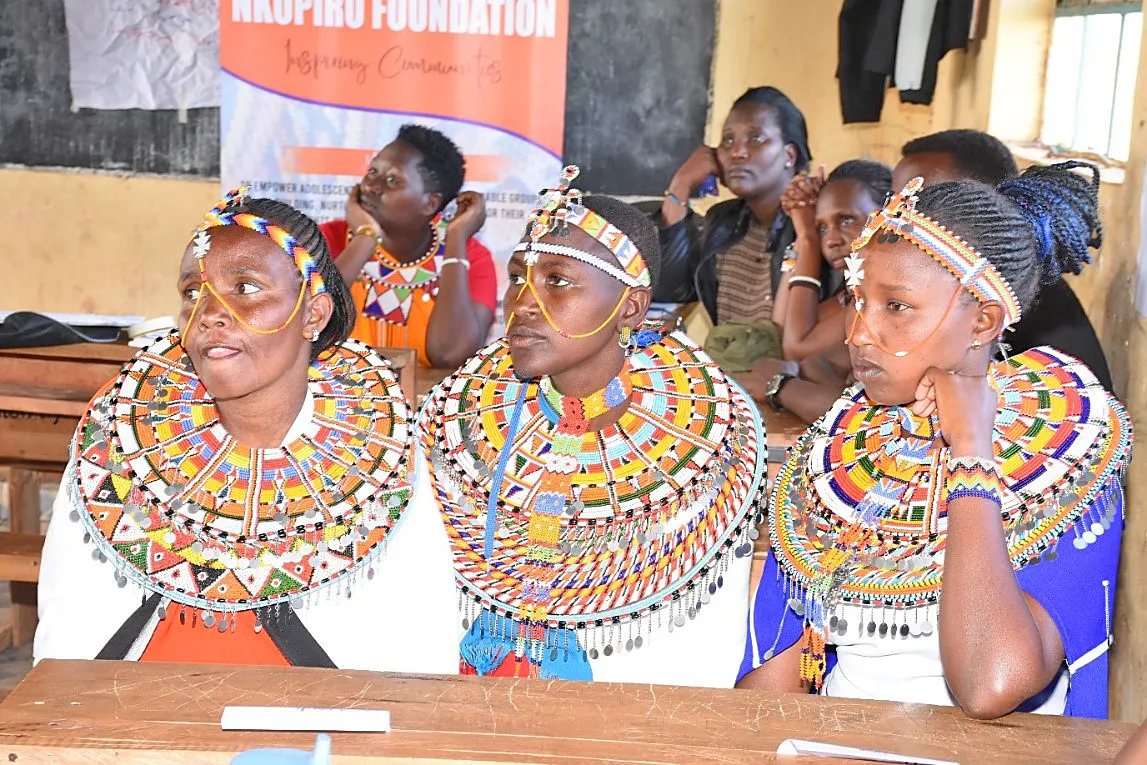
Supporting Transformational Change to Reduce Gender-Based Violence (GBV) in Kenya
Empowering Women and Youth to Strengthen the Resilience of Ethiopia’s WASH Sector
FUNDER
FCDO
DURATION
2021 – 2024
NIRAS implemented the Strengthening Climate Resilience Systems in Water Sanitation Hygiene Technical Assistance Project (SCRS-WaSHTAP) in Ethiopia to bolster sustainability of the water supply and sanitation in remote areas. We successfully promoted gender equality by establishing women and youth-led enterprises across six regions and trained 116 members in spare parts provision and operations management. These enterprises, predominantly led by women, now support local water supply schemes and utilities, contributing to community resilience amidst climate challenges. Moreover, the programme distributed reusable menstrual hygiene products to 29,000 girls in 150 rural schools, aiming to reduce school absenteeism and improve educational outcomes.
The programme has distributed reusable menstrual hygiene products to 29,000 girls in 150 rural schools, aiming to reduce school absenteeism and improve educational outcomes.
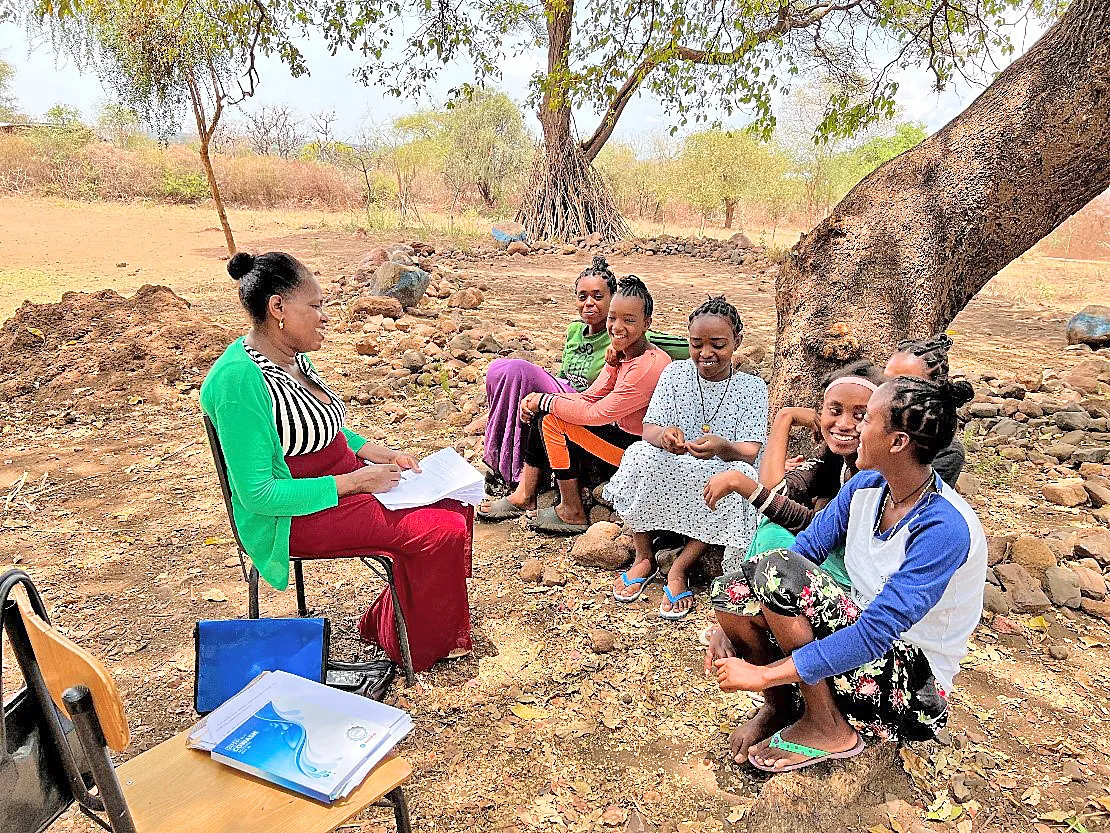
Empowering Women and Youth to Strengthen the Resilience of Ethiopia’s WASH Sector
Helpdesk on Global Health and Sexual and Reproductive Health Rights (SRHR)
FUNDER
Sida
DURATION
2020 – 2023
NIRAS delivered rapid, tailored support to Sida staff at headquarters and Swedish missions engaged in bilateral and regional health strategies. With a guaranteed two-hour response time, we connected teams with expert advice on health systems, universal health coverage, SRHR, health equity, WASH, governance, health promotion, and emerging health issues. Our assistance ranged from strategy reviews and analytical studies to programme design, training, and tool development. Gender equality is systematically embedded in every service, ensuring Sida’s global health portfolio remains evidence-based, inclusive, and transformative.
Helpdesk on Global Health and Sexual and Reproductive Health Rights (SRHR)
Economic Empowerment of Female Farmers in Burkina Faso
FUNDER
Sida
DURATION
2018 – 2024
In Burkina Faso's arid Sahel region, NIRAS played a pivotal role in the Sida-funded ProValAB project aimed at enhancing sustainable water resource management at small dams. Partnering with local communities across six regions, NIRAS focused on empowering women and youth through farmer business schools. These initiatives provided crucial training in crop management, marketing strategies, and financial literacy, significantly boosting agricultural productivity and income generation. NIRAS also spearheaded gender-focused initiatives, such as mapping gender roles and benefits, which highlighted disparities in land ownership and market access.
These initiatives provided crucial training in crop management, marketing strategies, and financial literacy, significantly boosting agricultural productivity and income generation.
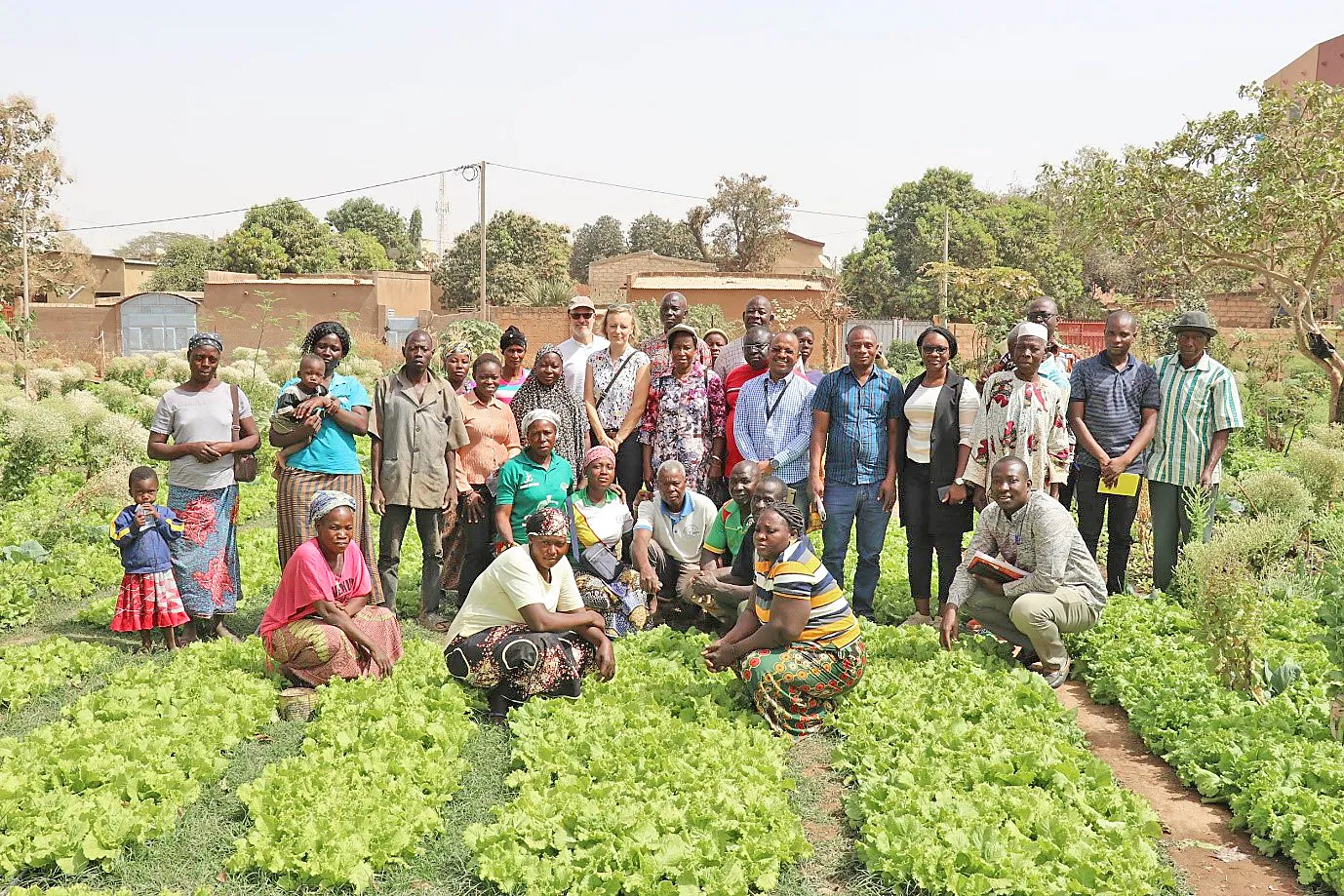
Economic Empowerment of Female Farmers in Burkina Faso
Building Capacity and Credit History of Businesswomen in Rural Mozambique
FUNDER
Sida and USAID
DURATION
2014 – 2020
NIRAS collaborated with Socremo bank, Sida and USAID to enhance Socremo’s capacity to support micro and small enterprises (MSEs) and women-owned businesses through a pioneering loan guarantee portfolio of up to US$10 million. By easing collateral requirements and expanding service areas, the programme enabled 4,000 MSEs to access crucial credit facilities. NIRAS provided capacity building programmes for female entrepreneurs and women’s business associations. We facilitated the dissemination of financial services in rural communities, crafted specialised curricula for MSEs led by women, and provided extensive training and mentoring to empower rural female entrepreneurs. Furthermore, our collaboration resulted in the creation of an innovative agricultural loan product, catering specifically to the needs of local farmers.
We support MSEs and women owned businesses through a pioneering loan guarantee portfolio of up to $10 million. The programme enabled 4,000 MSEs to access crucial credit facilities.

Building Capacity and Credit History of Businesswomen in Rural Mozambique
Media Self-Regulation and the Path to Inclusive Journalism
FUNDER
Sida
DURATION
2017 – 2024
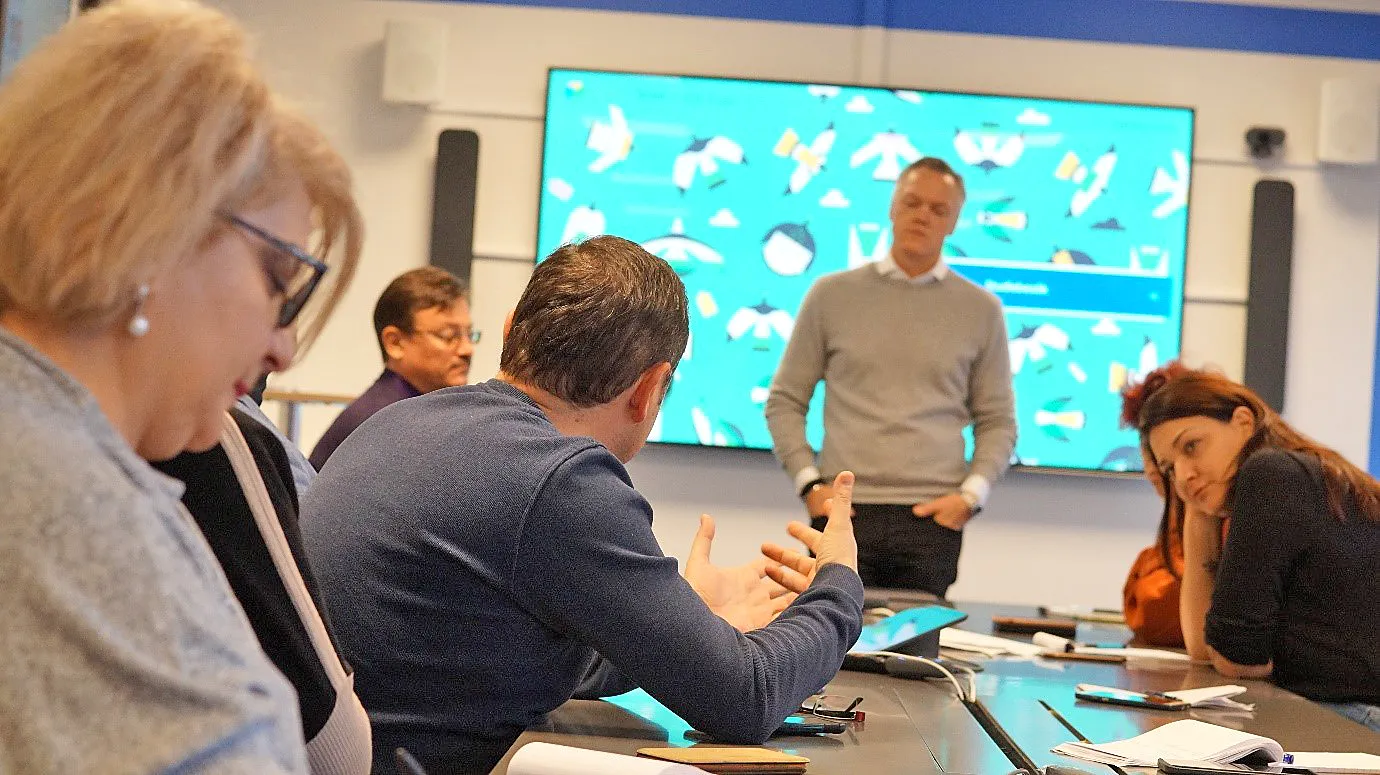
Implemented by NIRAS and partners, the International Training Programme (ITP) ‘Media Development in a Democratic Framework’ strengthened media self-regulation, freedom of expression, and gender equality across 25 countries in Asia, Africa, Eastern Europe, Latin America, and MENA. Over seven years, it trained and mentored 607 participants through tailored courses, webinars, study visits, and peer learning, equipping media professionals, regulators, and civil society to influence national reforms. The programme produced key resources such as a media ethics textbook and the Global Gender and Media Regulation Study, while alumni helped shape reforms – from establishing new media councils and self-regulation alliances to advancing freedom of information laws. With more than a third of participants integrating gender equality and human rights into their projects, the programme leaves a lasting legacy of ethical journalism, inclusive media, and stronger democratic institutions worldwide.
The programme trained and mentored 607 participants through tailored courses, webinars, study visits, and peer learning, equipping media professionals, regulators, and civil society to influence national reforms.
Media Self-Regulation and the Path to Inclusive Journalism
Developing an Online Gender Budgeting Toolkit
FUNDER
European Institute for Gender Equality
DURATION
2014 - 2020
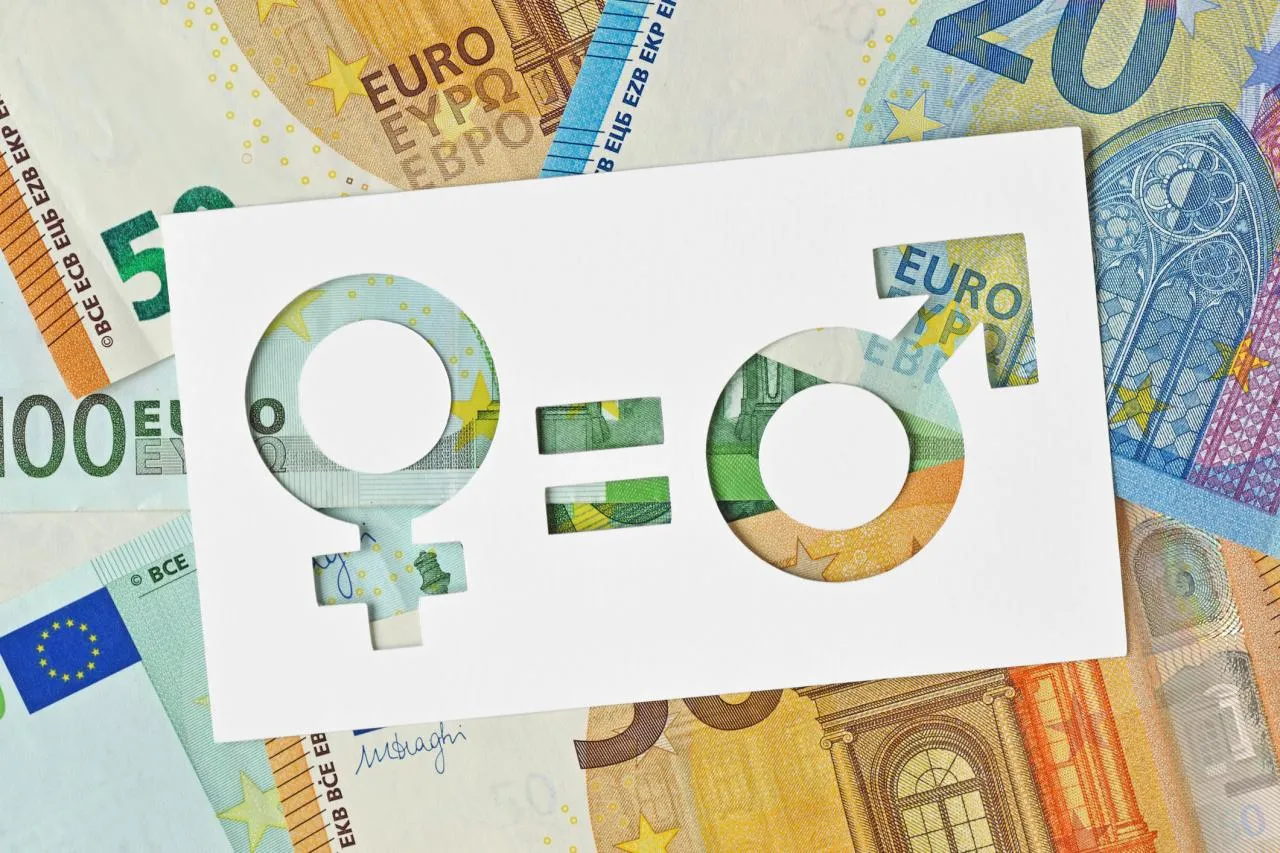
In 2019-2020, NIRAS collaborated with the European Institute for Gender Equality (EIGE) to design an online gender budgeting toolkit aimed at enhancing gender equality perspectives in EU funds programming for the 2021-2027 period. This toolkit, a culmination of extensive work, provides practical guidance across all stages of the EU structural funds programming cycle. The toolkit includes 11 learning tools with case studies and videos, facilitating the integration of gender considerations into budgetary processes. It supports smarter, more equitable distribution of EU funds, aligning with EU goals for innovation, sustainable development, and enhanced social protections across urban, rural, and coastal areas. Accessible in all EU languages, the toolkit serves as a pivotal resource on EIGE's gender mainstreaming platform, fostering inclusive policymaking beyond EU borders.
The online gender budgeting toolkit includes 11 learning tools with case studies and videos, facilitating the integration of gender considerations into budgetary processes.
Developing an Online Gender Budgeting Toolkit
Integrating Gender Mainstreaming into Georgia’s Governance Reforms
FUNDER
EU Delegation to Georgia
DURATION
2017 - 2019
NIRAS led this project which aimed to empower Georgia's executive, legislative, and judicial bodies to incorporate gender perspectives into public administration. We trained public servants to mainstream gender equality in policymaking at national and local levels, conducted gender analyses of budget processes, and facilitated dialogue and advocacy with gender equality advocates, civil society, and academia in collaboration with Georgia's Inter-Agency Commission on gender equality. Our robust technical assistance advanced gender sensitive policies, improved human resources management in public administration, and strengthened institutional capacities across stakeholders.
.webp)
Integrating Gender Mainstreaming into Georgia’s Governance Reforms

