
Agriculture
We support Ukraine in building a more competitive, sustainable and EU-aligned agricultural sector. Our work spans policy and institutional reform, support to smallholder farmers, value-chain development, agricultural knowledge systems and alignment with EU standards.

Spanning three phases, IPRSA or ‘EU4SmallFarms’ is designed to foster a more inclusive, sustainable, and competitive agricultural sector in Ukraine. Working through Ukraine’s institutions, and under wartime conditions, it builds the legal and administrative capacity EU accession demands, so that small and family farms can invest, compete and earn fair incomes from sustainably managed land. The project has played an essential role in ensuring agriculture remains a key contributor to Ukraine’s food security and export revenues. In phase III (2025–2029) IPRSA evolved into a flagship EU accession programme.
Thanks to IPRSA support, Ukraine has developed long-term strategies for agriculture, fisheries, forestry, and irrigation, including the Agriculture & Rural Development Strategy to 2030 and the Irrigation Plan to 2050, both adopted by the Cabinet of Ministers. In preparation for EU accession, IPRSA has helped to harmonise Ukrainian agricultural laws with EU standards, aided bilateral screening preparations, and backs the Ministry of Agrarian Policy and Food (MAPF) with a 2026 legislative plan covering 82 priority topics.
Critical systems like the State Agrarian Registry and the Agro-Diia digital platform have been launched to improve transparency and farmer participation. IPRSA is now building the core CAP mechanisms accession requires: the Paying Agency, whose enabling law is in force; supporting development of Integrated Administration and Control System (IACS) with its Land Parcel Identification System and area monitoring; the Farm Sustainability Data Network (FSDN), a Ukraine Facility conditionality; and the Agricultural Knowledge and Innovation System (AKIS).
Together with AKIS portal, a nationwide AKIS baseline assessment of farmers, hromadas, research institutes and education providers is shaping Ukraine’s future Farm Advisory System. IPRSA created maps, zoning studies, and registration tools to help with viticulture, certification of geographically indicated products, and is developing the pollen-grain Atlas to enable exports of honey. Rural development work spans development of LEADER and local action groups, Innovations through the EIP mechanism, and support for agricultural producer associations.
IPRSA also supports EU integration of the fisheries and aquaculture sector, forestry (EU Deforestation Regulation, old-growth mapping) and irrigation (the 2050 plan).
Phase III’s first six months mobilised 59 experts, drafted 7 laws and 33 bylaws, and drew over 650 participants to project events — preparing Ukraine’s agriculture sector for integration into the EU.
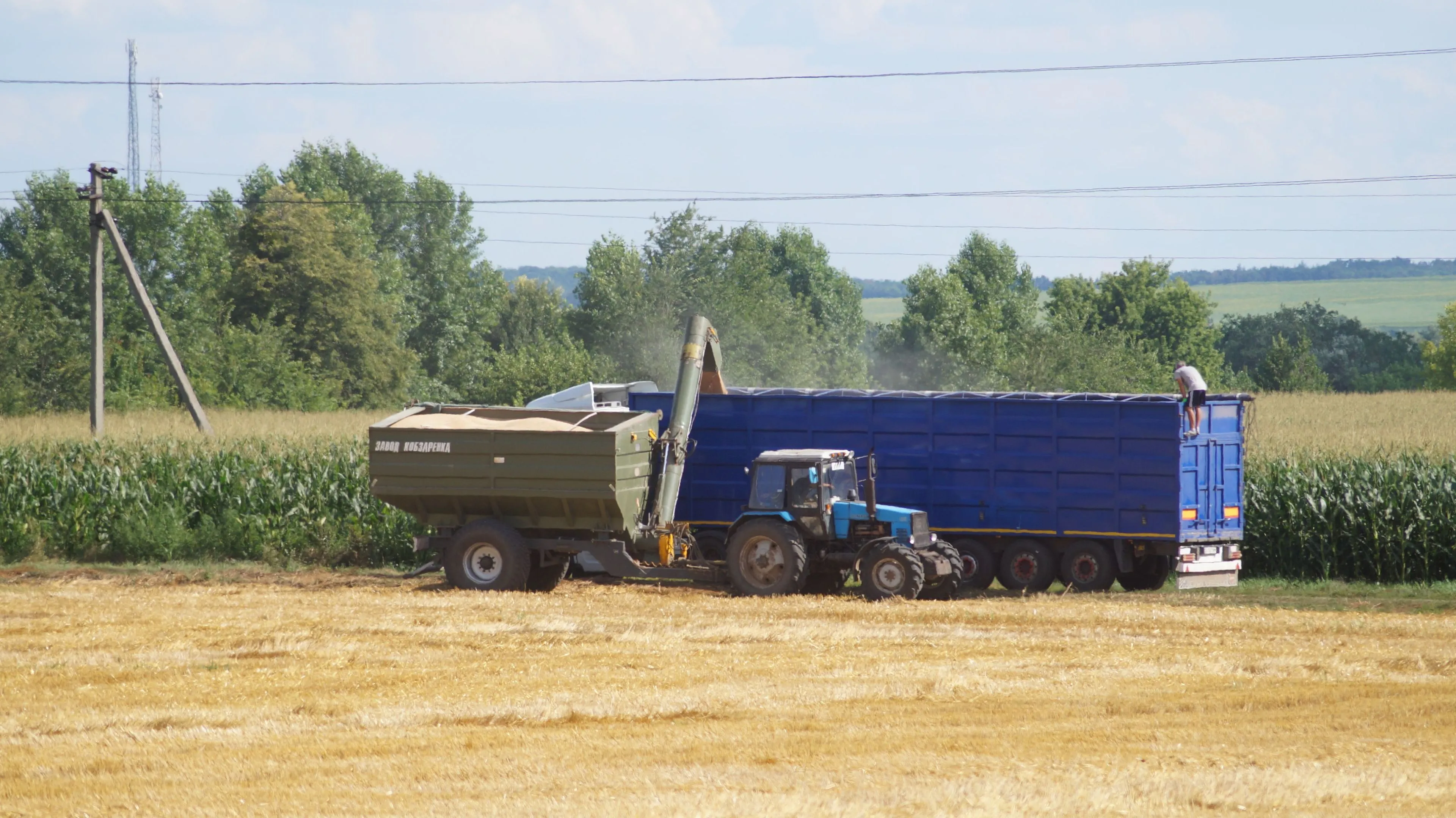
To increase private-sector investment in selected value chains, the European Investment Bank (EIB) and the Government of Ukraine jointly agreed on a €400 million Ukraine Agri-food APEX Loan, which makes available very substantial resources for mid-caps and SME investments in an effort to increase their productivity and profitability.
In a consortium with AESA, TA Consult, and Unicon, NIRAS was contracted to support the implementation of the loan. Through the Ukraine Agri-Food Value Chain Technical Assistance (TA) Facility, up to February 2022, NIRAS was providing complementary services to agricultural SMEs in order to facilitate disbursement of the loan to eligible investments in the target value chains – cereals, oil seeds and aquaculture and fisheries. The team supported participation of financial institutions and borrowers to ensure they fully enjoy the benefits of the UAFA project, from providing business advisory services to agribusinesses, consulting participating financial institutions, delivering training programmes, and providing capacity building and institutional support.
From February 2022, the nature of the TA changed substantially, and the team transferred their effort to focus on analysing impacts of the war on the two value chains and consequences for farmers and SMEs, as well as various coping strategies. This included the logistical challenges facing grain export and possible solutions thereof. The findings were presented in a bi-monthly digest targeted at the EIB and other stakeholders. After March 2022, the team successfully delivered 30 information digests, numerous webinars as well as an eLearning platform, creating a convenient learning space to strengthen the capacity of external service providers was developed.

