
Energy Finance
The global push to combat climate change is transforming the energy finance sector landscape. Investment is increasingly directed towards RE projects, EE improvements, and carbon-reducing technologies. According to the IEAs World Energy Investment 2024, global energy investment is set to exceed USD 3 trillion for the first time in 2024, nearly USD 2 trillion of which goes to clean energy, twice as much as fossil fuels. "Yet, this remains insufficient to keep global warming below 1.5oC."
Meeting climate financing goals, requires deeper collaboration between governments and the private sector. Blended finance, which merges public and private funds, is gaining traction as a way to scale investment and reduce risk. As climate risks become more material, investors are shifting towards sustainable portfolios.
Falling costs of RE and supportive government policies are accelerating the transition to wind, solar, and hydroelectric power. Financial instruments like green bonds are also helping channel funds into environmentally friendly projects.
Still, developing economies face significant challenges in attracting clean energy investment, from political instability and regulatory uncertainties to currency fluctuations. Unlocking finance in these contexts remains a critical challenge.
Investment management in clean energy is one of NIRAS’s core strengths—and a key driver of sustainable energy growth. Through our global network, we provide expertise in investment planning, carbon and green finance, and policy analysis. We support governments, development agencies, and private actors in integrating clean energy into national and subnational strategies. As more countries pivot from fossil fuels, this kind of capacity development is increasingly vital.
NIRAS is known for creating bankable projects by developing enabling frameworks and tailored, innovative solutions. Our work spans carbon finance, impact finance, and Power Purchase Agreements (PPAs), as well as strengthening policy and regulatory frameworks, building local and international capacity, and planning sustainable energy transitions.
We also have a strong track record in managing challenge funds for co-financing energy projects. Our end-to-end approach covers the full process—from designing the fund and issuing calls for proposals to assessing applications, providing technical support, and monitoring results. Many of these funds use results-based financing, with rigorous verification to ensure payments are tied to the achievement of clear milestones.
Within the field of Energy Finance, NIRAS is committed to offering the following services:
- Feasibility studies for RE and EE projects;
- Financing mechanisms for RE and EE projects, incl. carbon finance, impact investing, PPAs;
- Management of challenge funds for co-financing energy projects (RE, EE, energy access);
- Policy and regulatory advice;
- Capacity building and technology/knowledge transfers for public, private and non-governmental sector stakeholders;
- Institutional and organisational strengthening enabling the implementation of needed reforms to ensure private sector investments.
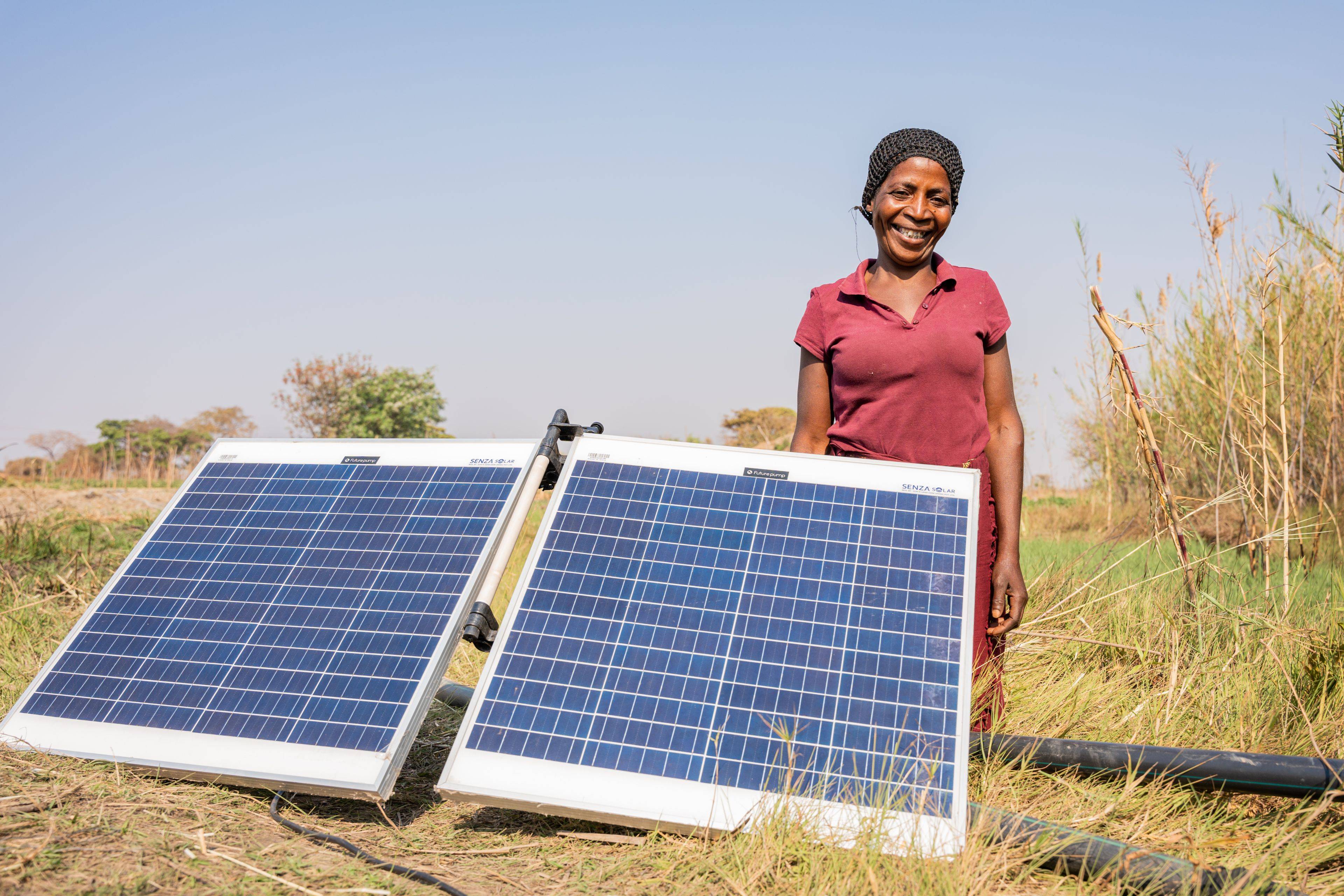

BGFA is a multi-donor results-based financing programme managed by Nordic Environment Finance Corporation (Nefco), aiming to accelerate the deployment of clean, affordable off-grid energy solutions in underserved rural areas across Sub-Saharan Africa. The programme's goal is to establish up to 1.7 million energy connections by 2028, benefiting more than 8.6 million people. BGFA supports energy service providers (ESPs) through competitive funding rounds, offering financial incentives tied to verified service delivery milestones, incentivising sustainable business models capable of scaling access to off-grid electricity.
BGFA is providing institutional technical assistance to local authorities and stakeholders to support Energy Service Providers (ESP) project implementation through the development of a business environment generally supportive of renewable off-grid services.
NIRAS is delivering these outputs
- Institutional support tailored to local conditions,
- Establishing Off-grid Task Forces by engaging the public sector, the private sector, and the international donor community to improve market conditions through a combination of capacity building and TA, stakeholder outreach and market intelligence development
Achievements
So far:
- Off-grid task forces have been established in each of the participating countries, along with the establishment of sub-committees addressing topics relevant in the given country context
- 398 local government and agency officials supported in their work to support off-grid electricity access
- 26 institutions and organisations supported to improve their work of off-grid electricity access
- E-waste report and impact study of the OGTF Zambia developed and disseminated
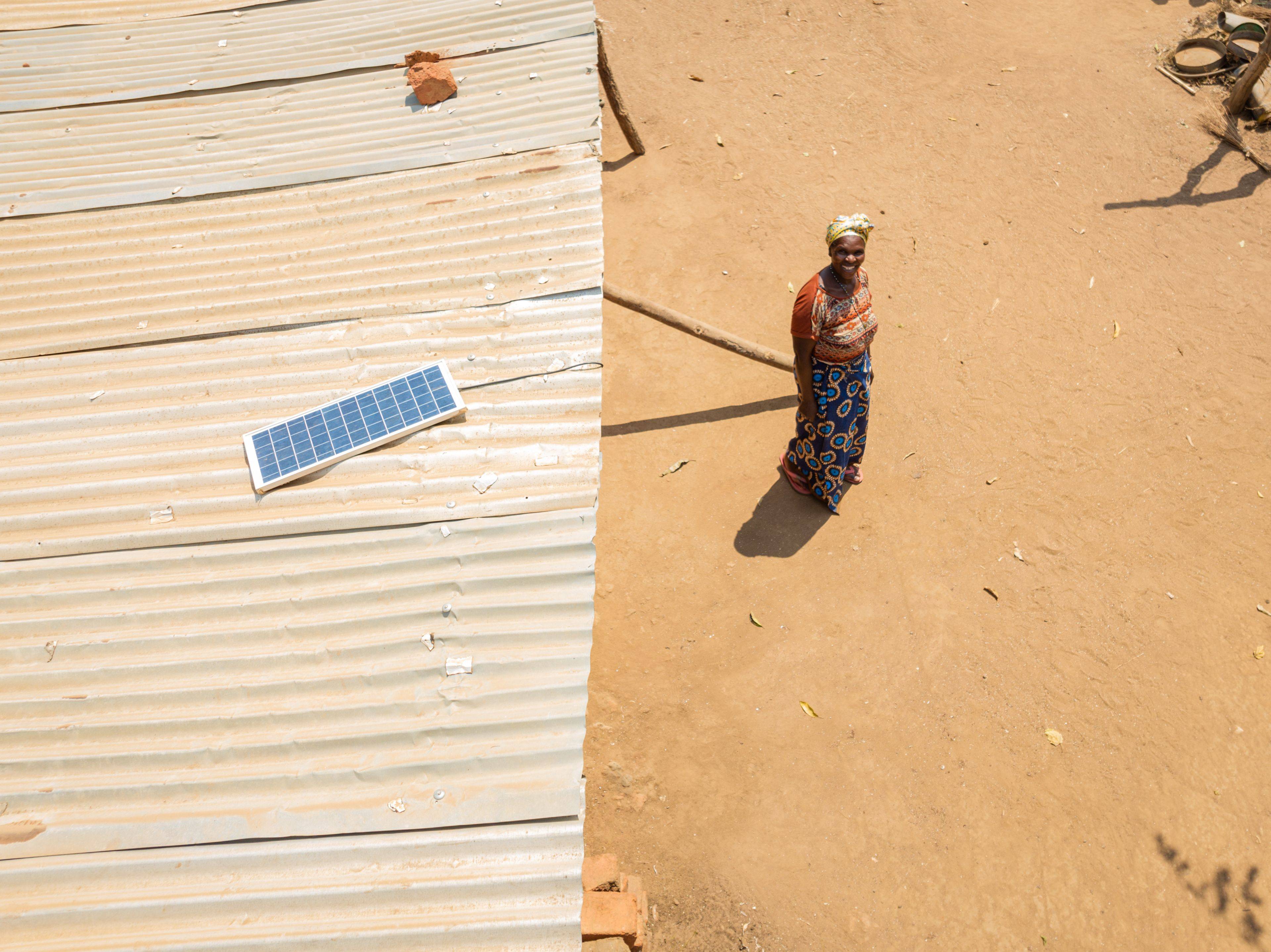
The EEC programme is a flagship initiative designed and funded by the Netherlands Enterprise Agency (RVO) and the Energising Development (EnDev) partnership. EEC was set-up to support SMEs in the clean energy space (with a strong focus on women-owned businesses) in their journey towards professionalisation, enabling them to progress towards scaling up and investment readiness. EEC target countries include Kenya, Uganda, Malawi, Ethiopia, Burkina Faso, Mali, Niger, Benin, Mozambique, Liberia, Sierra Leone, Cambodia and Bangladesh.
The EEC works with enterprises that offer products / technology / energy services that provide access to clean cooking and/or electricity. Typical business models covered include retail cash sales, consumer credit sales, pay-as-you-go / fee-for-service, mini-grids, and fuel as a service models.
NIRAS is delivering these outputs
- SME Outreach and Onboarding activities (including Marketing and Promotion of the facility, SME intake, eligibility verification and due diligence);
- Conducting due diligence activities and needs assessment to determine the most suitable support trajectory (e-learning, cohort and/or individual support) for the eligible SMEs;
- Developing support arrangements with SMEs, including reviewing and finalisation of mini-ToRs;
- Design and development of BDS intervention areas, training content and selection of pool experts for cohort and individual coaching activities;
- Designing, developing and operationalising E-learning platform;
- Identifying and collaborating with suitable SMEs financiers to inform the organisation of potential match-making events;
Achievements
- 215 people trained in businesses development
- 80 businesses supported to drive economic growth
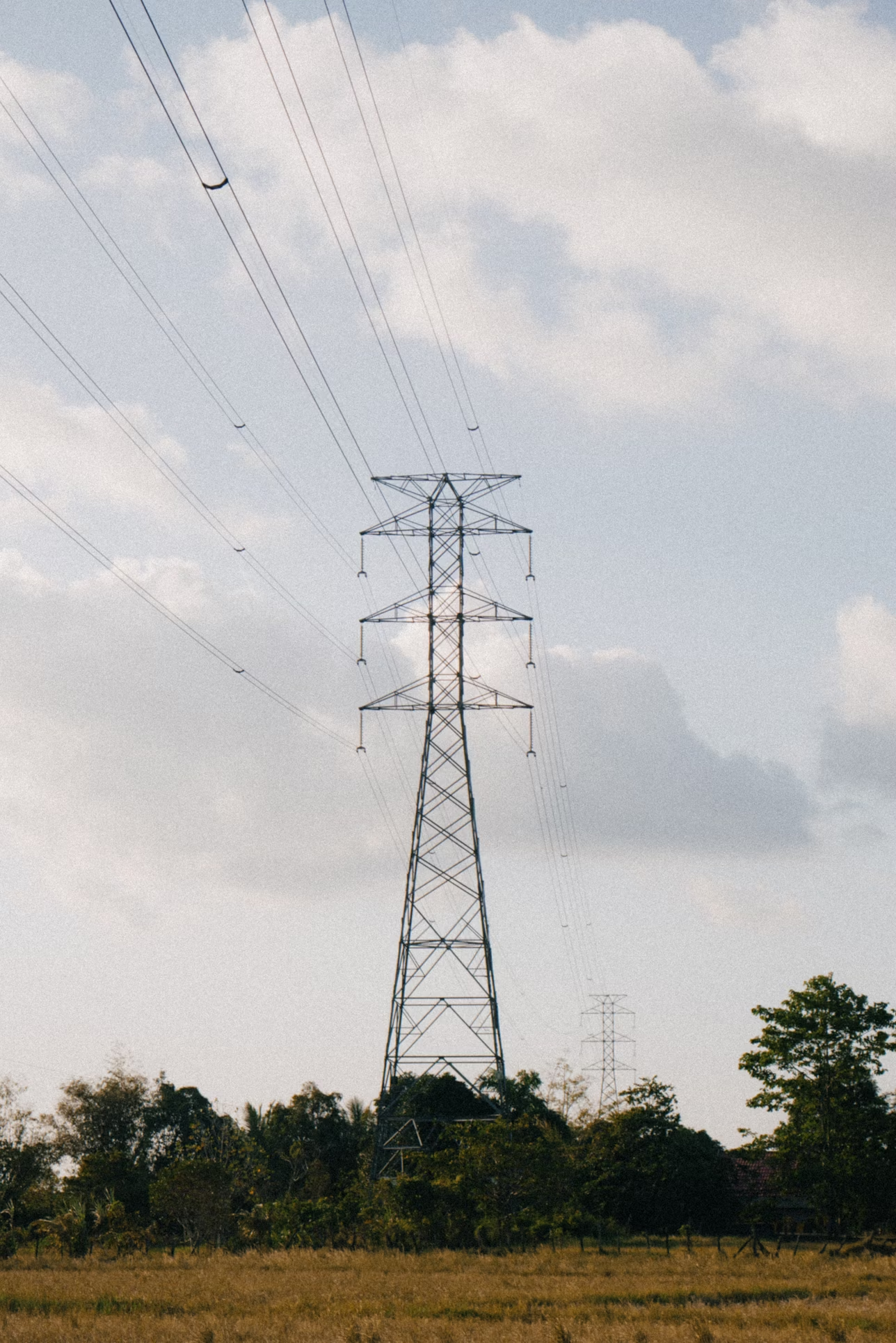
This project supported Indonesia with improved policy measures, capacity, and awareness for sustainable and EE policies, and scaling up investments in RE generation. The team helped prepare three projects and programmes: 1) The Sustainable and Inclusive Energy Programme – a policy-based loan (PBL), 2) The RE Development (investment) Project (REDP), and 3) The Sustainable and Efficient Sector Development Programme (SDP) linking policy reform with capital investments.
NIRAS supported key ministries and public and private sector stakeholders on the policy reform, including the assessment of a policy matrix and development of a roadmap for the PBL project. This included pricing mechanisms for RE to ensure alignment with PLN’s avoided costs. SDP involved the preparation of a feasibility study, financial and economic analyses, E&S safeguards, and bid documents for development of DAMRI’s electric bus fleet and charging infrastructure in Jakarta. The REDP included the conceptualisation and planning of a solar PV park that will serve to scale up deployment of utility-scale solar PV in Indonesia and enable the country to further benefit from the reduction of global solar prices.
Achievements
- Assessment and verification of policy actions
- Feasibility study, financial and economic analyses (FM, EIRR, FIRR), and safeguards due diligence to prepare a sovereign-backed loan
- Concept and risk allocation framework for Indonesia’s first utility-scale solar PV park
.jpg)
The Off-Grid Clean Energy Facility (OCEF) supported off-grid solar projects in rural and peri-urban areas. It had a budget of 33.5 million USD to contribute to funding innovative and sustainable energy projects in Benin though blended finance. The projects had to be commercially sustainable and economically viable after the funding ended, with a minimum Economic Return Rate of 10%. OCEF was a Challenge Fund with a matching grant element, meaning grantees had to contribute their own funds to the project costs.
NIRAS delivered these outputs
- Development of the Fund’s Procedures Manual, including governance structures, transparency policy, evaluation criteria, and annexes covering Financial aspects, Environmental, Social, Health and Safety Management, as well as Social and Gender Integration aspects.
- Preparing and executing two calls for proposals, including shortlisting of applicants
- Technical Assistance to the shortlisted applicants to help them develop Business Plans that will allow commercially viable off grid RE projects in compliance with the new Beninese legal framework.
- Monitoring and Supervision of the grantees during project implementation, incl. field visits, financial and technical monitoring
The fund had a leverage of 1.64. Of the 12 co-financed projects, 2 projects covered drinking water pumping and other public infrastructure, incl. health; 5 projects were on solar mini-grids to electrify entire villages; 4 projects provided solar home systems to private households, community hubs and entrepreneurs; and 1 project concerned EE in cashew nut production.
Achievements
- 603,684 people received access to clean energy
- 42,000 solar kits distributed
- €55,881,932 in investment raised by businesses working with NIRAS
- 16,042 tonnes of CO2 equivalent emissions avoided
- 81 businesses supported to drive economic growth

