
Energy Access
The global energy access sector is seeing promising advancements but continues to face significant challenges. Currently, about 666 million people worldwide lack access to electricity and around 2.1 billion people still reliant on traditional biomass, with the majority concentrated in sub-Saharan Africa and parts of developing Asia. Decentralised RE (DRE) solutions, like solar home systems, mini-grids, and various productive-use energy technologies, are gaining traction due to falling costs and technological improvements, providing scalable alternatives to grid expansion in remote areas. Similarly, modern clean cooking solutions, such as electric stoves, ethanol stoves and other higher-tier improved cookstoves, are gradually increasing with the support of innovative financing models, such as pay-as-you-go, microfinancing, carbon financing and blended financing making RE more accessible to lower-income households. Despite progress, substantial barriers remain. Financing gaps, regulatory challenges such as slow licensing processes and inconsistent policies, and lack of vibrant private sector to support energy access expansion complicate large-scale DRE implementation.
NIRAS is committed to the SDG 7 – ensuring access to affordable, reliable, sustainable and modern energy for all. Energy access has a profound developmental impact and demands deep analysis, contextual understanding and sensitivity to achieve lasting results. Drawing on our interdisciplinary expertise – including gender, agriculture, private sector – NIRAS brings a holistic approach to each project. We place particular emphasis on the cross-cutting targets of ‘investment’ (SDG 7A) and ‘technology’ (SDG 7B), with a core strength in the management of investments in clean energy initiatives – one of the most effective drivers of sustainable energy growth.
To accelerate energy access and foster RE deployment, NIRAS offers a broad suite of services and knowledge products. These span policy advisory, tailored financing mechanisms, private sector enterprise development, and scale-up of innovative business models and decentralised RE solutions in electricity and clean cooking in underserved areas.
We have strong experience in supporting energy access planning and strategy development on national, regional and local scale through the preparation of short, medium and long-term RE development plans and strategies. NIRAS also works with governments and public funding agencies across different regions to strengthen the enabling environment for energy access through enhanced dialogue, sector coordination and capacity building for both state and non-state actors.
Recognising the urgent need to scale up energy access in underserved contexts, we focus strongly on inclusive and dynamic private sector development through business development services, market and ecosystem innovation, value chain and market linkage creation, and facilitation of conducive business environments.
Within the field of energy access, NIRAS offers the following services:
- Market assessment, pre-feasibility and scoping studies to evaluate the state of the market, challenges, opportunities and actions required to catalyse adoption of clean energy technologies in rural and peri-urban settings
- Development of short-, medium-, and long-term energy plans at local, regional, and national levels, including grid integration strategies, smart grids, microgrids, and distributed generation system
- Development of strategies and RE action plans to ensure access to adequate, reliable, affordable, environmentally sustainable energy services.
- Advisory services to create conducive environments for RE adoption, including policy formulation, regulatory framework development, and financial mechanism design
- Management of energy funds and development of financing mechanisms and business support programmes to support market and private sector development.
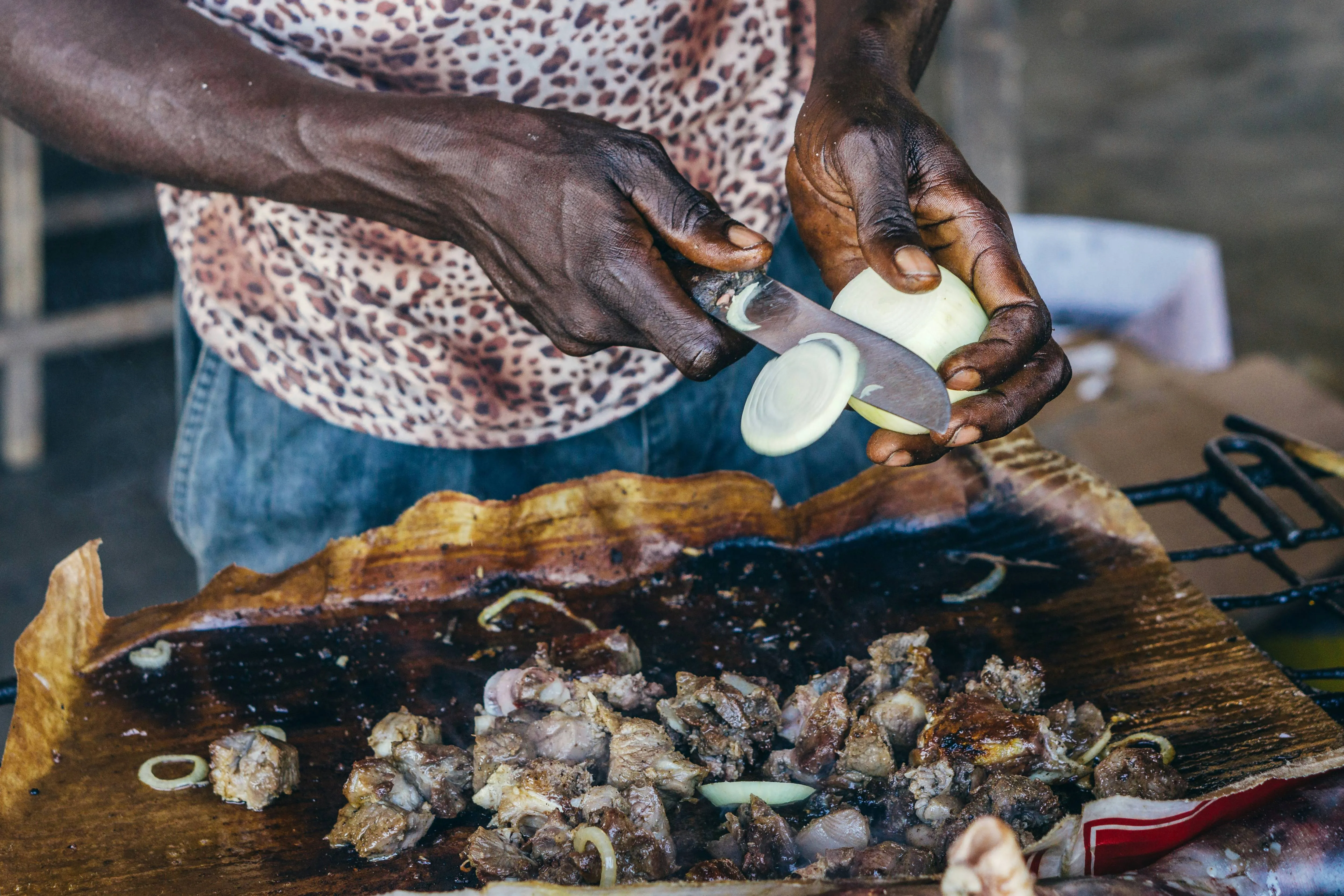


The Modern Cooking Facility for Africa (MCFA) aims to accelerate the creation of sustainable markets for affordable, high-quality, and energy-efficient clean cooking solutions in Sub-Saharan Africa. It does this by providing financial incentives to cooking service providers (CSPs) through a results-based financing programme. The goal is to catalyse the market development of clean and affordable cooking technologies, similar to the off-grid electricity sector's growth.
NIRAS is delivering these outputs
NIRAS is providing independent external verification of Clean Cooking Services (CCS) to support the MCFA's monitoring, reporting, and verification system. We are:
- Verifying the correctness and reliability of reports and data submitted by CSPs to Nefco.
- Contributing to the effectiveness, integrity, and accountability of the fund.
- Improving the quality of reported data over time.
- Contributing to evidence-based learning and development of CCS for greater uptake of clean cooking in Sub-Saharan Africa.
In collaboration with 60 Decibels, NIRAS is conducting annual verification of reported data, which may affect payments to CSPs retrospectively through the reconciliation mechanism.
Achievements
- By the end of 2028, MCFA aims to provide up to 4 million people in seven Sub-Saharan countries (DRC, Kenya, Malawi, Mozambique, Tanzania, Zambia, and Zimbabwe) with access to clean, modern, and affordable cooking solutions, focusing on urban and peri-urban customers.
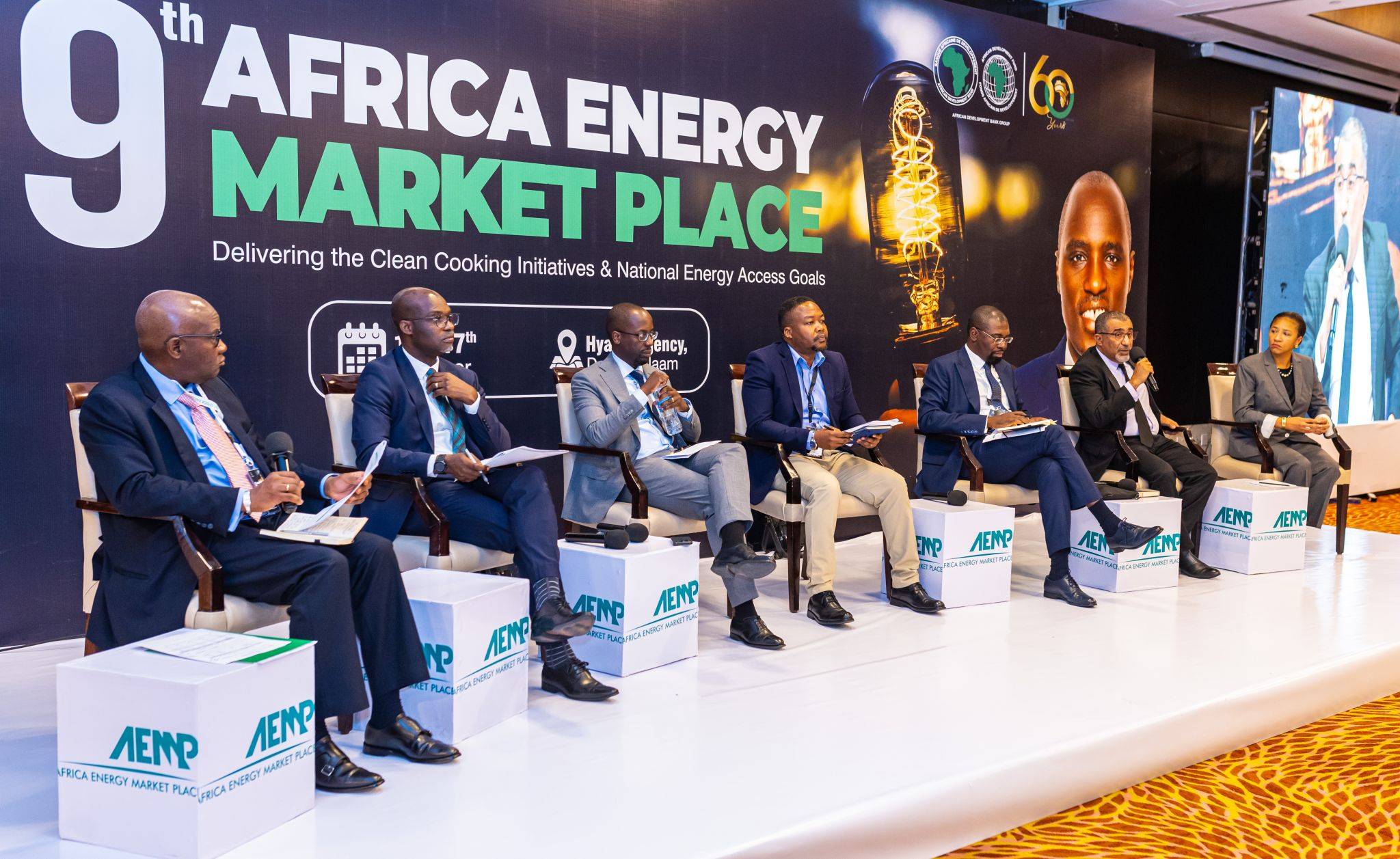
The 9th edition of the Africa Energy Market Place (AEMP) in Tanzania centered on advancing clean cooking and energy access, aligning with the Tanzania Energy Compact - Mission 300. Organised by the African Development Bank (AfDB) in partnership with Tanzania's Ministry of Energy, the AEMP facilitated policy dialogues using the Country Diagnostic Note (CDN) and the Draft Tanzania Energy Compact as key guiding documents.
NIRAS Tanzania Ltd collaborated with the Ministry of Energy and the AfDB to develop the CDN to support in the planning and execution of the AEMP in October 2024. In preparation for this event, NIRAS undertook the development of a Priority Plan and Sector Diagnostic Note for Tanzania, focusing specifically on energy access and clean cooking. This included the following:
- Identification of major challenges and constraints hindering the growth and efficiency of the sector.
- Analysis of the sector indicators, energy access, clean cooking indicators, performance and outlook,
- Assessment of the regulatory environment and policy frameworks governing the energy access and clean cooking sector.
- Evaluation of the role of technology and innovation in driving advancements within the sector.
- Provision of recommendations for strategic interventions and initiatives to address identified challenges and capitalize on opportunities.
Achievements
- The event generated 42 policy recommendations and identified 6 key policy actions on strengthening legal and regulatory frameworks, boosting private sector investment, advancing clean cooking solutions, promoting regional energy market integration, expanding energy infrastructure, and improving human capital and data-driven decision-making.
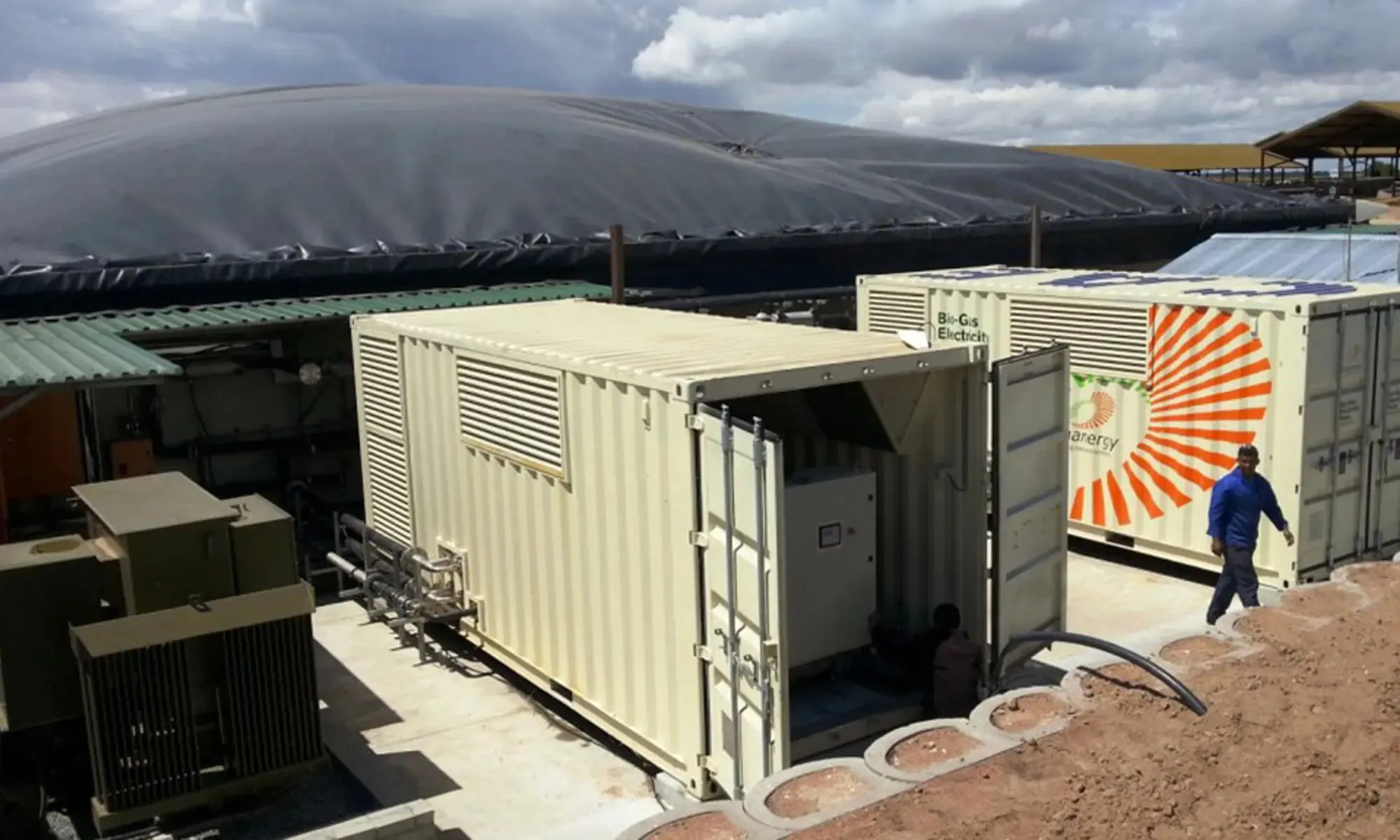
The BSEAA2 project aimed to scale up bioenergy solutions across sub-Saharan Africa by identifying market opportunities and policy requirements in seven key sectors across ten countries. The research had a practical focus. The research focused on commercially trialled and mature commercial and industrial bioenergy technologies (Technology Readiness/TR Level 5+) in the small-to-medium scale (10 kWe to 5 MWe) range suitable for commercial and productive energy uses.
The project developed cutting-edge research that explored the suitability of promising bioenergy pathways across seven different energy demand sectors through the six themes of biomass resources, technology, economic competitiveness, commercial viability, institutional, market and regulatory frameworks, and gender and inclusion (G&I). Detailed analysis for each demand sector highlights the constraints and opportunities for bioenergy development, and identified key actions required to make these commercial realities.
NIRAS played a leading and managerial role, taking lead responsibility for ensuring the overall production of all contracted outputs to the client. Specifically, we contributed to the assessment of supply chain and local capacity, and the analysis of policy, regulatory, and market factors influencing bioenergy adoption. NIRAS also led all the country missions to gather case study data on shortlisted bioenergy value chains.
Achievements
- This research led to an improved understanding of the commercial, economic and institutional requirements and opportunities for scaling up generation and application of bioenergy for various uses in low-income countries in sub-Saharan Africa. The team developed a range of research reports, tools, policy briefings and databases to guide developers, investors and policy makers advance bioenergy development in the region.
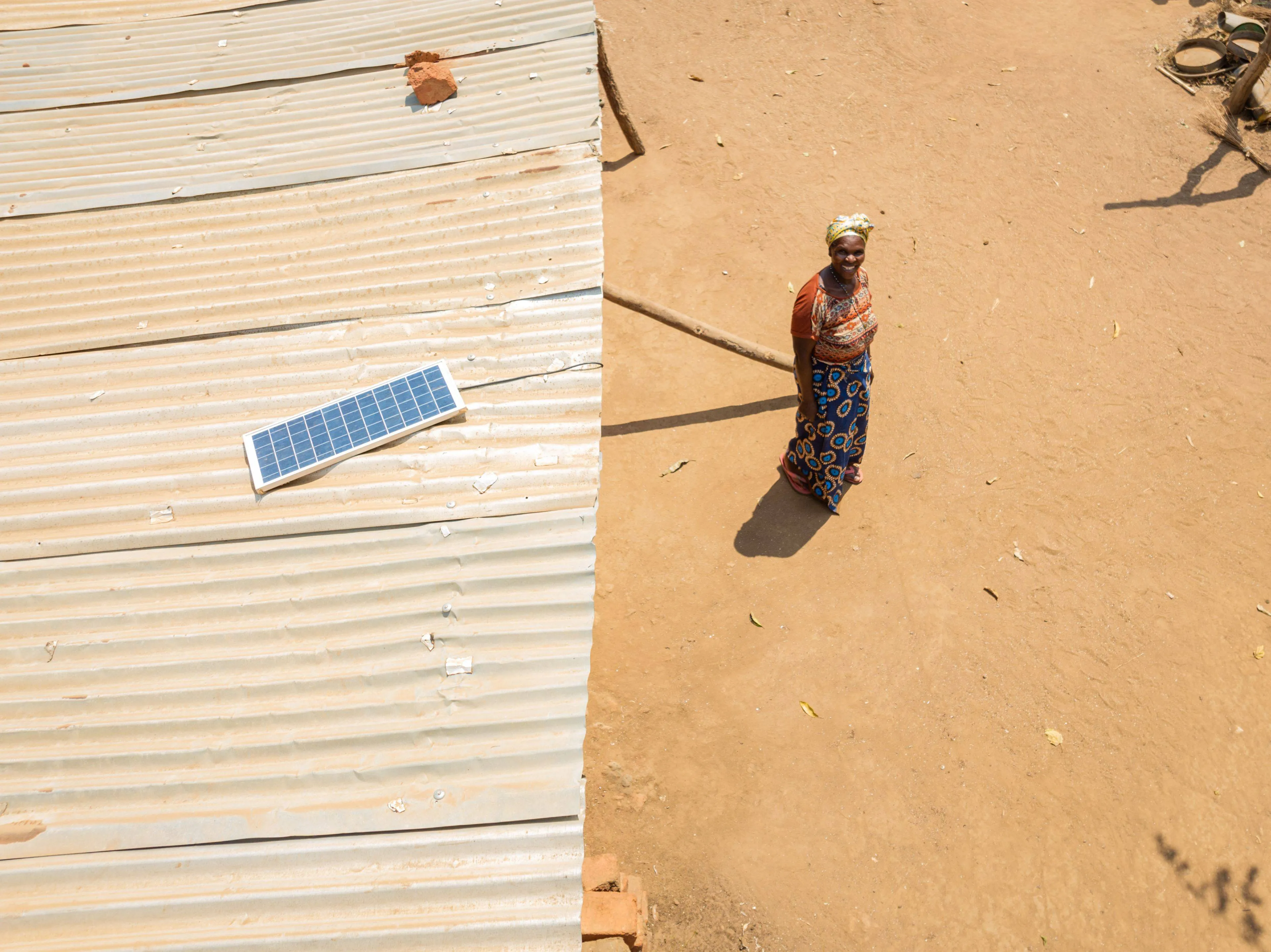
The EEC programme is a flagship initiative designed and funded by the Netherlands Enterprise Agency (RVO) and the Energising Development (EnDev) partnership. EEC was set-up to support SMEs in the clean energy space (with a strong focus on women-owned businesses) in their journey towards professionalisation, enabling them to progress towards scaling up and investment readiness. These interventions take three forms: self-paced e-learning courses, cohort-based training, and individual coaching. EEC target countries include Kenya, Uganda, Malawi, Ethiopia, Burkina Faso, Mali, Niger, Benin, Mozambique, Liberia, Sierra Leone, Cambodia and Bangladesh.
Achievements
- Developed GEAPP’s MEL Policy and comprehensive Monitoring and Learning Handbooks.
- Introduced standardised monitoring methods now embedded across GEAPP.
- Delivered case studies and a partnership health check under the Systemic Impact Framework.
- Facilitated regional learning sessions and curated a learning log shared across teams.
- Produced an Insights Paper on GEAPP methodologies, with three more planned in 2025.

GEAPP is an initiative jointly funded by the Rockefeller Foundation, IKEA Foundation, and Bezos Earth Fund that aims to support developing countries’ shift to clean energy, using a pro-growth model with long-term goals to reduce carbon emissions, increase access to energy, improve jobs and livelihoods, and mobilise climate finance.
As a critical friend of a fast-growing initiative, since 2022 NIRAS has provided MEL support, helping GEAPP track impact, facilitate learning, and refine strategies across its global portfolio.
NIRAS is developing GEAPP’s MEL framework and systems, producing learning and evaluative outputs, and supporting strategic decision-making. Our responsibilities include creating MEL and learning handbooks, running regional learning sessions, facilitating ‘After Action Reviews’, and advising on knowledge management tools.
Achievements
- Developed GEAPP’s MEL Policy and comprehensive Monitoring and Learning Handbooks.
- Introduced standardised monitoring methods now embedded across GEAPP.
- Delivered case studies and a partnership health check under the Systemic Impact Framework.
- Facilitated regional learning sessions and curated a learning log shared across teams.
- Produced an Insights Paper on GEAPP methodologies, with three more planned in 2025.
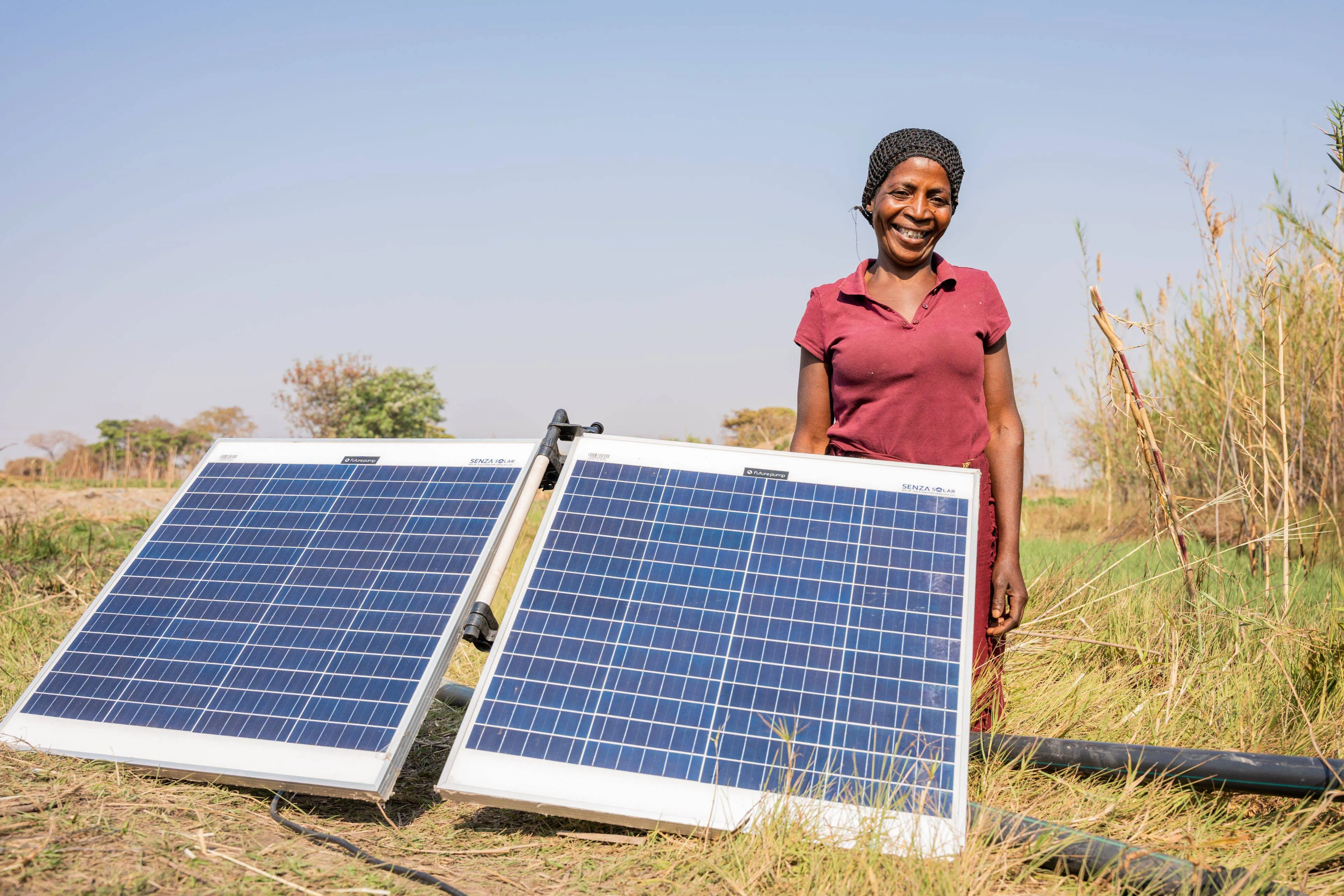
Description of Services NIRAS is providing to Nefco
NIRAS serves as a key project implementation partner forBGFA, providing essential support in two main areas: Component 1 - Monitoring,Reporting, and Validation (MRV), and Component 2- Institutional Support.
In Component 1, NIRAS is responsible for on-the-groundmonitoring of contracted ESPs, validating the achievement of projectmilestones, and assessing the financial health and sustainability of these companies.This ensures that disbursements are made based on actual performance andresults.
In Component 2, NIRAS collaborates with localstakeholders to establish and strengthen Off-Grid Task Forces (OGTFs) in eachBGFA country. These task forces aim to create a conducive businessenvironment for renewable off-grid services by facilitating stakeholderengagement, capacity building, and policy development. NIRAS provides strategic,technical, and operational expertise to ensure high-quality andaccountable project delivery, playing a pivotal role in the effectiveimplementation and scalability of BGFA’s initiatives, while fostering localownership and governance structures for long-term sustainability. We also provideon-the-ground presence in all BGFA countries.
Achievements
So far:
- 115 ESP payment requests and workplan milestones (gender action plans and e-waste plans, security plans etc) reviewed and approved
- 36 yearly assessments of ESP progress conducted.
- Support to the design and establishment of the OGTFs in all six countries.
- The OGTF has championed meaningful results across countries, e.g., in Liberia, it successfully lobbied to waive import duties on quality-verified solar photovoltaic products, and, in Uganda, for the over-turning of the ban on the use of solar fishing lights on Lake Victoria.
The CEIF Platform aims to accelerate the commercialisation of innovative clean energy technologies in official development assistance (ODA) eligible countries. It has two main objectives: advancing the Technology Readiness Level of clean energy technologies and facilitating knowledge sharing and capacity-building activities to create environments for commercialisation. CEIF supports three main programmes: CEIF 1.0 (2019-2024), CEIF 2.0 (2023-2029), and the Accelerate-to-Demonstrate (A2D) Facility (2023-2029), which each have thematic-focused funds managed by different delivery partners.
DESNZ has contracted NIRAS to deliver MEL services. The primary purpose is to maximise the achievement of results of the CEIF Platform and generate learning for future ICF climate innovation Programmes. The assignment also seeks to strengthen the evidence base on clean energy innovation for climate change mitigation in ODA countries.
NIRAS is delivering these outputs
- Strengthening the monitoring approach;
- Undertaking independent evaluations;
- Facilitating learning and knowledge dissemination. This includes delivering a summary of findings report on two evaluation outputs that distil key highlights, findings and recommendations. These are intended for audiences wider than DESNZ and Delivery Partners including other HMG, project beneficiaries, investors, multipliers, policymakers and actors with an interest in the clean energy innovation space.
- Assessing 'Value for Money'; and
- Informing future decision-making of the DESNZ ICF climate innovation portfolio.
Achievements
- So far, in collaboration with the Carbon Trust, NIRAS have produced a public-facing summary of a Research Report that conducted a landscape review and analysis of wider climate innovation programmes. The primary objective of this report was to evaluate the current landscape of clean energy innovation funding programmes and identify best practices in their MEL frameworks and approaches. NIRAS will also deliver presentations and/or workshops for primary and secondary stakeholders relating to each evaluation output.

