
Energy Efficiency
The sector of energy efficiency (EE) is pivotal in addressing the global challenge of reducing energy consumption and greenhouse gas emissions. Improving EE in buildings and industry is essential for sustainable development and climate change mitigation. According to the International Energy Agency (IEA), the buildings sector alone accounts for over one-third of global energy use and emissions. This includes energy for construction, heating, cooling, lighting, and operating appliances and equipment. The IEA's Energy Efficiency 2024 report highlights that while current technologies offer significant energy and cost savings, stronger policy support is needed to align the buildings sector with the Net Zero Emissions by 2050 Scenario.
The consultancy sector plays a vital role in advancing this agenda by providing expertise in energy policy, project management, and capacity building.
NIRAS, for instance, has been involved in a wide range of EE initiatives in the buildings and industry sector. These include technical assistance to strengthen institutional capacity, energy auditing, the certification of buildings, as well as the development of EE strategies, regulations and legal frameworks. Additionally, consultancy firms support the implementation of donor-funded EE projects funded, ensuring they are executed effectively and deliver the desired outcomes. Development cooperation further supports these efforts through training programmes. By fostering international collaboration and sharing best practices, development cooperation helps countries achieve their EE goals and contribute to global sustainability.
In conclusion, increasing EE in buildings and industry is a critical component of the global effort to combat climate change and achieve sustainable development. Consultancy services and development cooperation are vital to this endeavour, providing the necessary expertise, resources, and support to drive EE improvements worldwide.
At NIRAS, we draw on our longstanding experience in EE in buildings and industry to transfer tested solutions from advanced economies – such as those in Scandinavia, the UK, The Netherlands and Eastern Europe – to countries transitioning to a clean economy. Combining international expertise with local presence, we aim to deliver real value to our clients.
Within the field of EE, NIRAS offers the following services:
- Training programmes on energy auditing, energy certification and evaluation of energy performance of buildings;
- Capacity building on energy monitoring and energy management in the building sector;
- Project management, development and coordination of EE and retrofitting projects for residential and public buildings;
- Assessment and development of an institutional and legal framework for improving EE and energy certification in the building sector, including laws, regulations, standards and guidelines in line with EU Directives and regulations, EN/ISO standards and best practices;
- Implementation support to investment projects funded by international financial corporations and donors, starting from preparation and conducting procurement process, contracting, reviewing design documentation, implementation supervision, and ending with commissioning and results monitoring and verification.
- Feasibility studies and implementation of EE projects including technical, economic, financial and environmental evaluations;
- Energy performance and audits of industrial facilities (especially process industry and food & beverage);

Energy sector in Ukraine: key challenges and NIRAS’s response
NIRAS is assisting Ukraine in this transition and provides the following services to utilities, housing associations, industries and others through international finance institutions and donors active in the country:
- Feasibility studies, including Environmental and Social Impact Assessments, to increase, for example, EE
- Design and detailed development of tender documents
- Support to Project Implementation Units
- Energy audits (public buildings, social infrastructure, private homes and industry)
- Capacity building in terms of training and on-the-job training
- Policy advice on improvements of regulatory framework, including changes in tariff policy
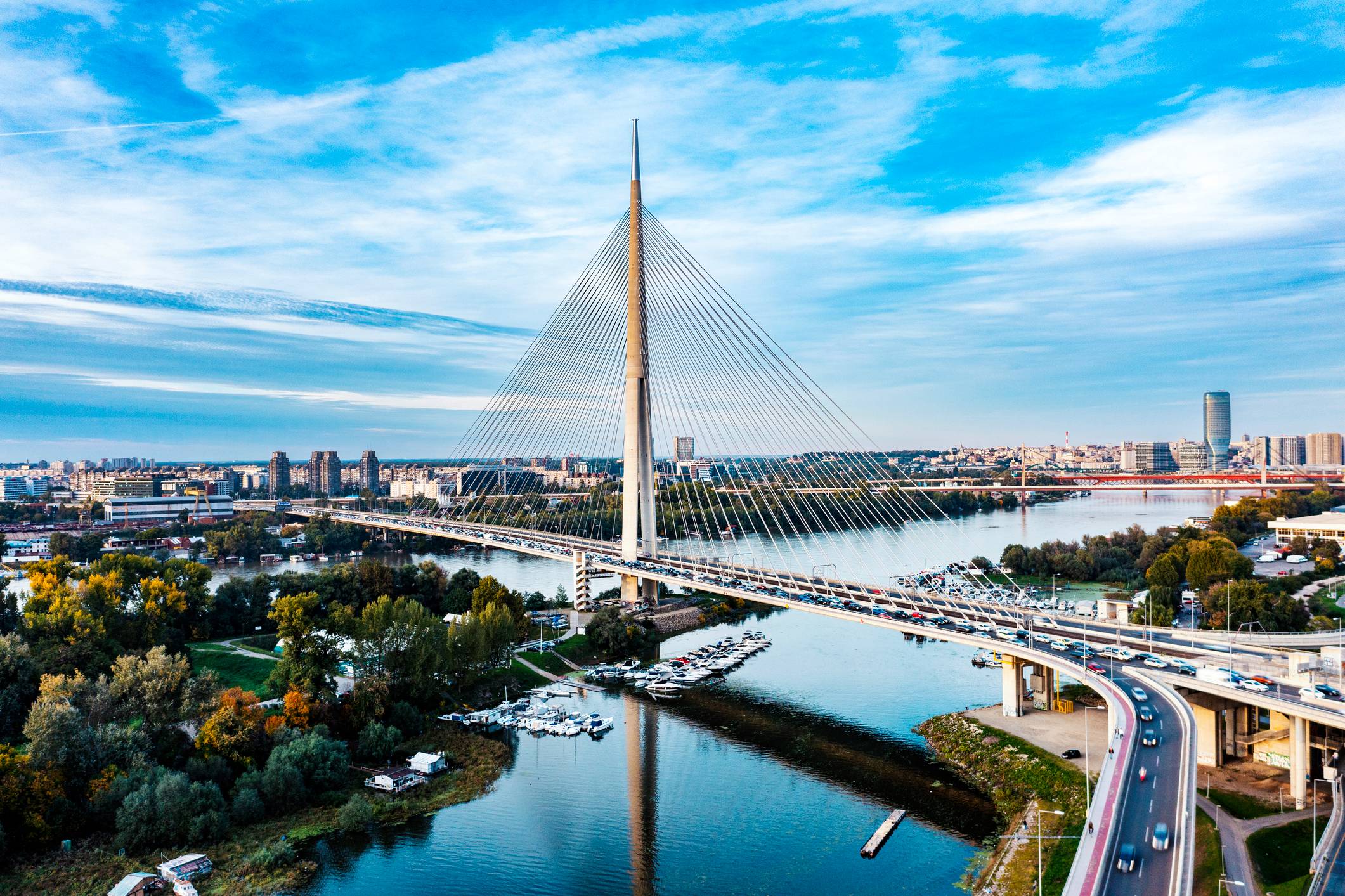

Funded by the European Bank for Reconstruction and Development, the Air Quality Improvement Project in Serbia supported the country’s transition to cleaner, more sustainable heating systems. The project focused on decommissioning 42 environmentally harmful, fossil fuel-fired boiler rooms—primarily coal and heavy fuel oil—in seven cities (Belgrade, Niš, Užice, Valjevo, Zaječar, Novi Pazar, and Smederevo). These outdated systems were major contributors to greenhouse gas emissions and local air pollution.
In collaboration with national and local authorities, NIRAS identified priority sites, assessed cleaner alternatives (such as biomass, heat pumps, solar, and district heating), evaluated environmental and social benefits, and prepared investment-ready preliminary designs. The project also aligned with EU and national emissions regulations, helping Serbia meet its air quality targets.
The expected long-term outcomes include significantly reduced air pollution and CO₂ emissions, improved public health, job creation, increased use of RE, better EE, and stronger local industry and governance capacities. By modernising heating infrastructure, the project directly supported Serbia’s decarbonisation and climate goals while enhancing the quality of life in urban centres.
Achievements
- 2.4 million people supported
- 51 institutions and organisations supported
- €50 million in investment raised by businesses working with NIRAS
- 24,485 tonnes of CO2 equivalent emissions avoided
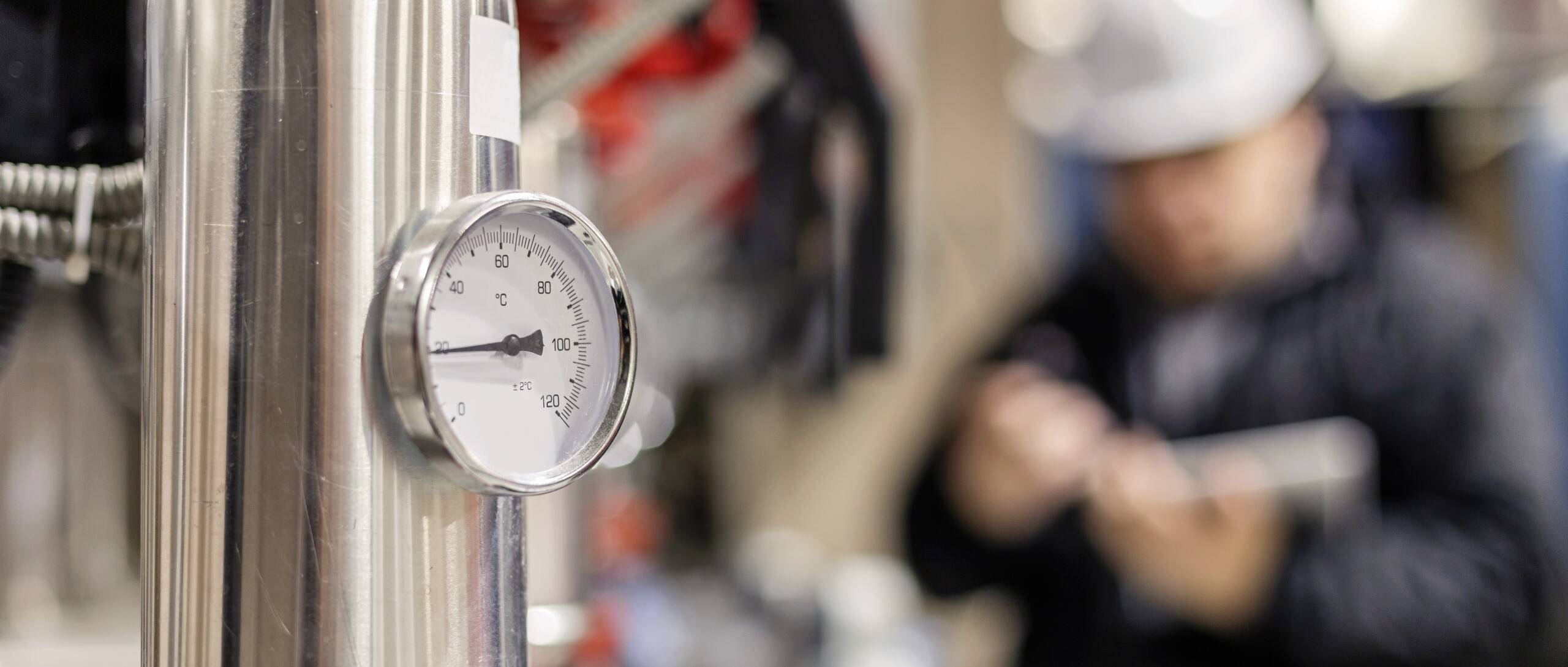
The communal enterprise Vinnytsiaoblteploenergo produces, transports and supplies heat energy, district heating and hot water services to customers in the city of Vinnytsia in central Ukraine. It has plans to upgrade and modernise its district heating facilities, which will entail new heating infrastructure, modernisation of obsolete existing facilities and optimisation of the system. The upgrades are expected to reduce natural gas consumption, minimise losses and leakages and digitise heat generation, transportation and supply. Aside from these benefits, residents and businesses are also set to see more reliable district heating services.
NIRAS and Urban Technology Alliance (UTA) were contracted to provide a market analysis, as well as technical, financial, economic, environmental and social analysis of the project. They also analysed the project with regard to its contribution to EBRD’s Green Economy Transition (GET) approach.
The study and the results will support an increase in EE and the introduction of RE technologies, thereby ensure long-term sustainability and resilience of the municipal heat supply system.
Achievements
- 50,000 people will gain better access to clean energy as a result of modernisation efforts
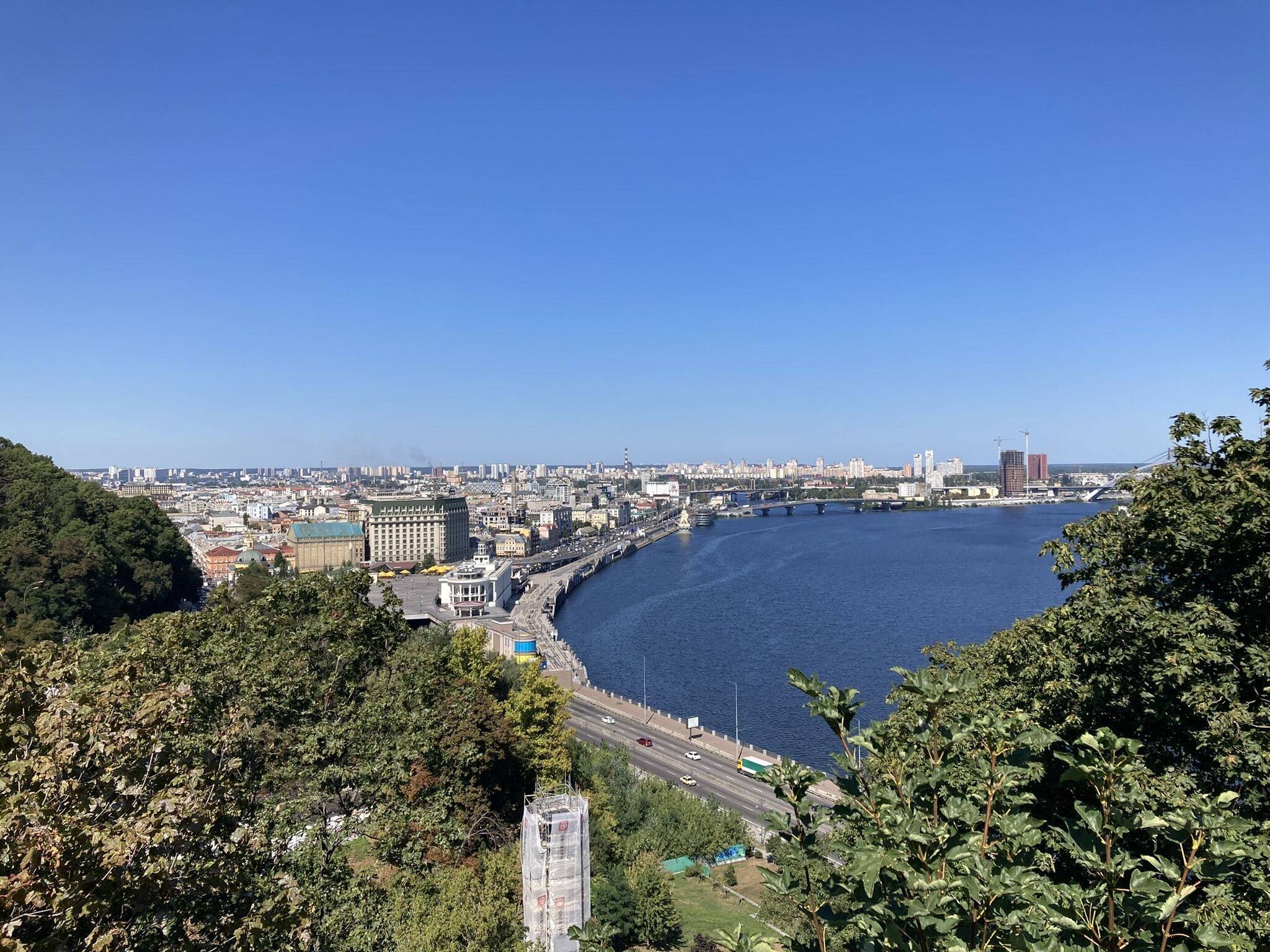
Natural gas-fired combined heat-and-power plants (CHPs) provide power and heat for the estimated 470,000 residents of Mykolaiv. Operated by the Mykolaiv CHP, these plants—with a heat production capacity of 475 megawatts (MW) and electricity generation capacity of 40 MW—are nearing the end of their useful technical lifetime. With the oldest facility installed in the late 1940s and the latest during the 1980s, such facilities require rehabilitation.
NIRAS, in partnership with Urban Technology Alliance (UTA), is enlisted by Swedfund to provide feasibility studies on how to best modernise Mykolaiv CHP’s production assets. It will outline recommendations on how to arrange the continued production of both heat and electricity year-round and will suggest modernisation investments that would help Mykolaiv CHP enhance its operations’ efficiency while reducing its carbon footprint and conforming with economic, environmental and sustainable goals.
Achievements
- 100,000 people will gain better access to clean energy as a result of modernisation efforts

The project aimed to support the Ministry of Economy and Sustainable Development of Georgia (MoESD) in enhancing EE and increasing the uptake of RE in alignment with Georgia’s international obligations and national energy strategies. It focused on institutional capacity building, adoption of EU-aligned energy labelling and ecodesign standards, improved integration of variable RE into grid management, long-term energy planning using the TIMES Georgia model, and the development of a legal and financial framework for an Energy Savings Obligation (ESO) scheme.
NIRAS provided technical assistance and implementation support across all five project components, including institutional capacity building, policy alignment with EU directives, energy modelling, VRE integration, and development of legal and financial frameworks, ensuring knowledge transfer, training, and expert guidance to MoESD and relevant stakeholders.
Achievements
- Energy authorities (MoESD, GSE, GNERC) strengthened through training, peer learning, and workshops on modelling, forecasting, and legislation.
- EU-aligned energy labelling and Ecodesign laws developed, with support for enforcement planning and implementation. Study trip to Denmark for selected officials.
- Improved integration of variable RE through better reserve calculations, forecasting tools, and modelling skills. High-level study trip to Denmark for selected representatives from Ministry, Agencies and Utilities.
- Enhanced long-term planning with upgraded TIMES model, improved data, and policy and market scenario development.
- Proposals for legal and financial framework for an Energy Savings Obligation scheme using international best practices.

The DKTI-BB project, part of the GIZ programme "Sustainable Urban Development in Times of Climate Change in Peru," aimed to improve conditions for industrial SMEs to adopt climate-friendly business models in EE.
NIRAS/Dorsch Impact are responsible for the overall implementation of the project, focusing on aligning qualification offers, providing advisory and support structures for EE in the industry, and optimising financing offers. NIRAS achieved this through three work packages: developing and adapting qualification offers based on the dual education approach, enhancing advisory structures and capacities on climate-friendly business models, and validating institutions that provide incentives and quality certifications. Additionally, NIRAS provided technical and administrative support, ensures quality assurance, and prepares regular reports.
Achievements
- 78 people trained in Lima and Trujillo (32% women)
- 84 companies advised (in 40% EE measures were implemented, 33% are women-led)
- 130 direct individual and 140 organisational beneficiaries
- Training-of-trainers (ToT) for an “EE Advisor for Manufacturing SMEs”
- Launch of Your Best Energy (El Movimiento Tu Mejor Energía) campaign designed to boost the market for EE services and products
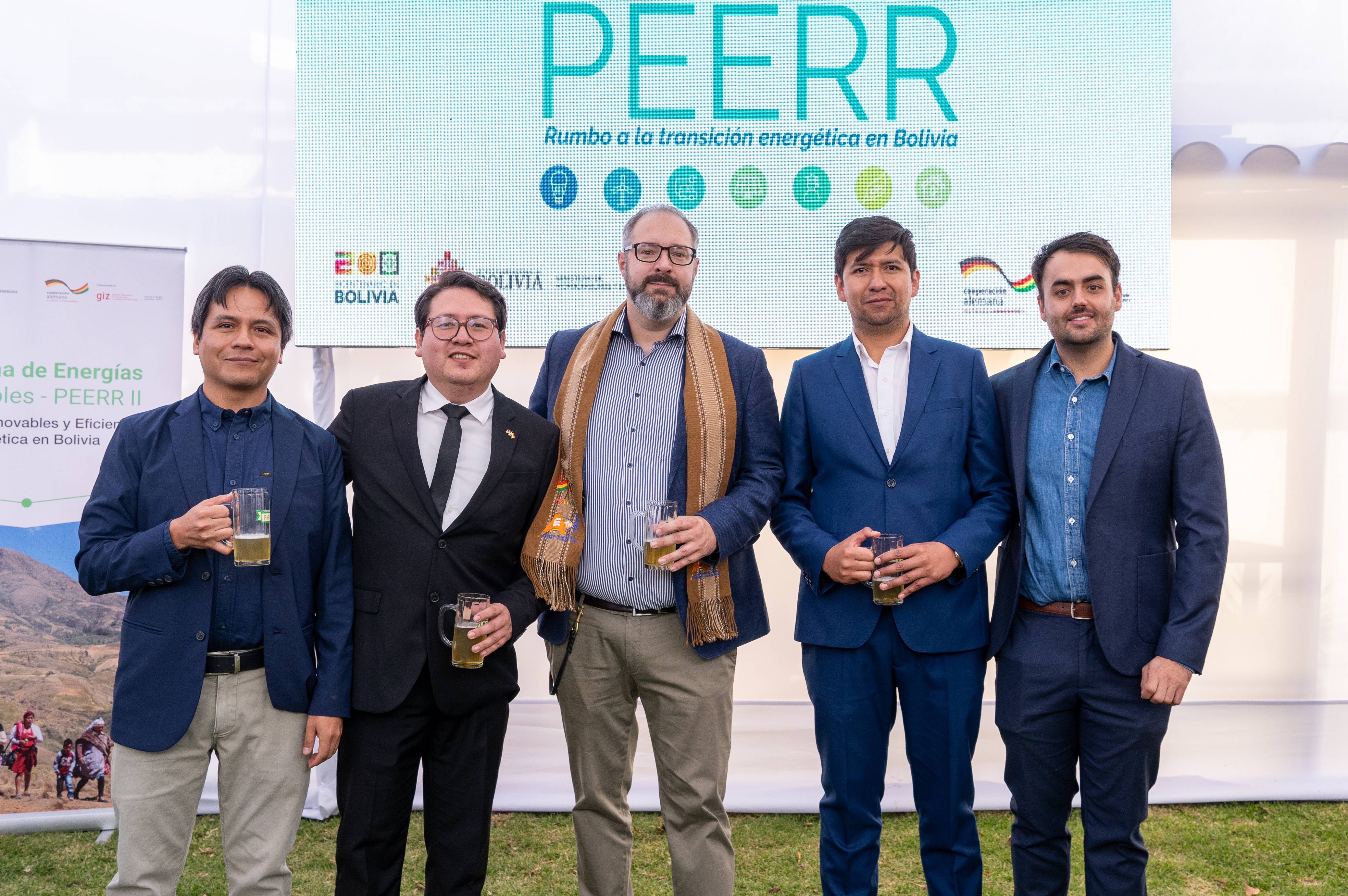
The PEERR project aimed to create an enabling environment for grid-connected RE technologies and increased EE in Bolivia. It focused on planning and legal frameworks, project development, creating an enabling environment, and training and education.
NIRAS provided organisational consultancy for implementing the national EE strategy and advised on EE programmes in public buildings. The project analysed the EE potential in various sectors and supported the Bolivian Government to introduce electric mobility in local public transport.
NIRAS also supported educational institutions in aligning their training programmes with the needs of the RE and EE sectors, including developing curricula and delivering training for solar PV installers.
The project developed the registration, monitoring, reporting and verification (RMRV) tool, an web platform designed to provide information on public buildings' energy and environmental performance. NIRAS conducted training workshops and managed monthly information and inclusion of new public buildings and promoted the platform's development.
Achievements
- Designed an EE action plan and created guides for nationwide implementation.
- Conducted feasibility studies on EE potential in various sectors and prepared studies on efficient lighting and air conditioning systems.
- Developed curricula and implemented pilot training for solar PV installers and created practice-oriented educational courses.
- Developed the RMRV platform, together with digital tools and training manuals, ensuring the platform’s sustainability and effective use.

