

Forestry
NIRAS has decades of accumulated experience developing sustainable forest management, agroforestry, and landscape resilience in communal, private and state-owned forests. We have worked in collaboration with communities, governments, international agencies, and non-governmental organisations. Our approach integrates environmental sustainability with socioeconomic development, ensuring that forestry practices contribute to broader goals such as poverty reduction, carbon sequestration and climate resilience.
We offer a comprehensive range of services to support forest management, including community management of natural forests, value chain development, law enforcement systems, production forest management practices and landscape-level interventions, including land cover, land use, and land use change assessments. We specialise in supporting policy and institutional strengthening and sustainable commodity trade, helping both public and private sector actors to achieve their land management goals.
Sustainable Forest Management
NIRAS' technical assistance and programme management services include:
- Forest restoration, afforestation and conservation;
- Plantation establishment and management, including support to smallholder woodlots;
- Protected Area (PA) management;
- Forest resource assessments;
- Forest management planning and implementation, including community-based management frameworks;
- Value chain and market development for sustainable forest products;
- Design and implementation of conservation incentives, payment for ecosystem services (PES) schemes and supporting access to voluntary carbon markets.
Territorios Forestales Sostenibles (TEFOS)

FUNDER
FCDO

DURATION
2024 - 2026

CONTRACT VALUE
EUR 11.8M
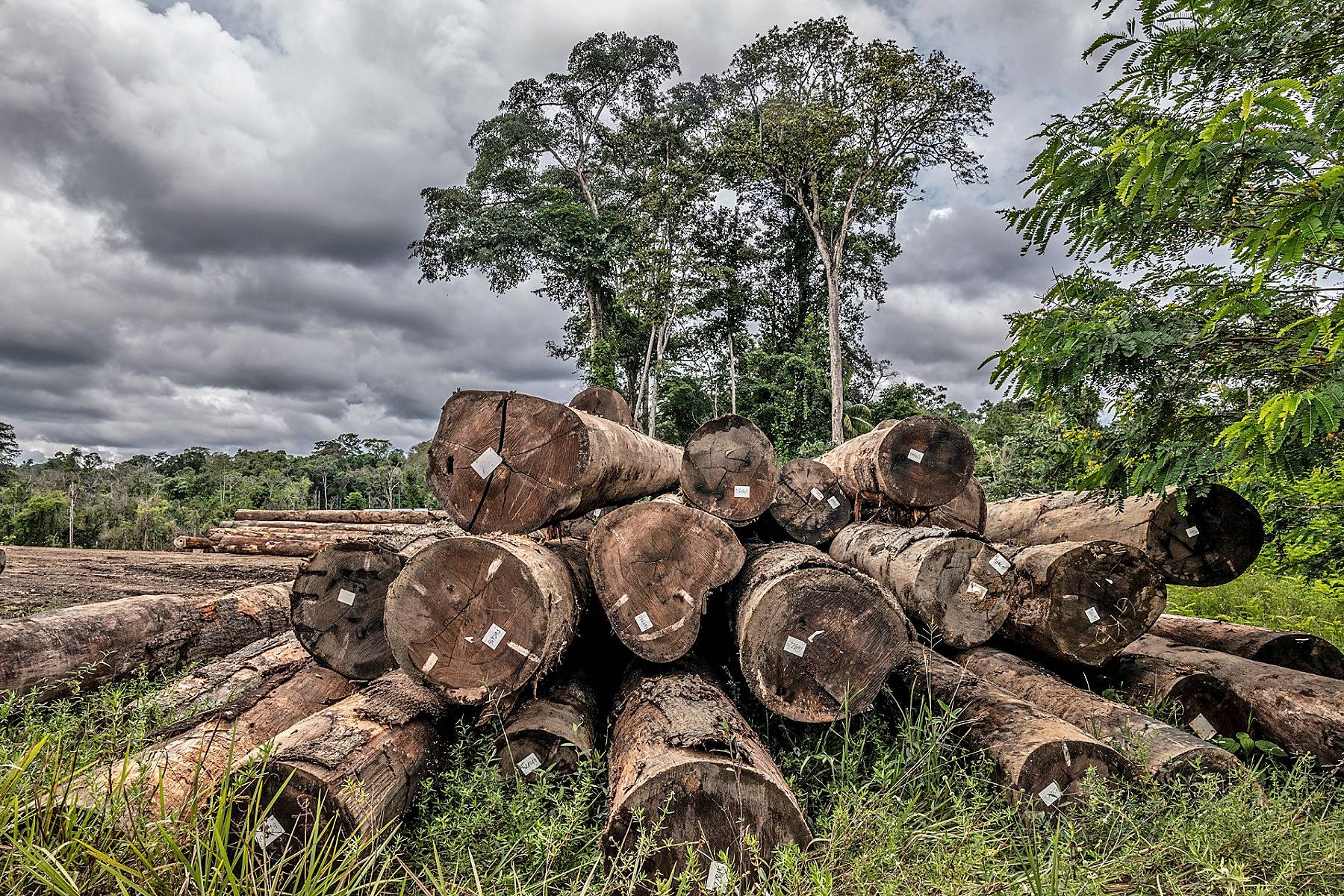
In Colombia, we are implementing TEFOS, a UK FCDO flagship programme to reduce pressure in deforestation hotspots through the development of conservation incentives and sustainable economic activities for rural communities. The objectives are to strengthen communities’ capacities and knowledge on sustainable forest management while promoting improved market access for sustainable forest products and developing conversation incentives in areas with land-use restrictions. By combining scientific research, community engagement, and policy support, NIRAS ensures that forest conservation efforts are both inclusive and sustainable.

With an investment of £64 million, TEFOS seeks to support the Colombian Government in its efforts to address deforestation and climate change between 2020 and 2026.

Mobilising Finance for Forests (MFF)
FUNDER
DESNZ & FMO
DURATION
2022 - 2026
CONTRACT VALUE
EUR 5.9M
NIRAS is managing the MFF technical assistance facility (TA Facility) to help agro and forestry companies grow and expand, while reducing deforestation in vulnerable tropical forests in Africa, Asia and Latin America. MFF invests in private companies whose activities have a high degree of impact on at-risk tropical forests and helps them reorient their activities or grow their businesses away from deforestation and towards deforestation-free practices while producing a financial return for the companies. NIRAS – in a consortium with the Sustainable Trade Initiative (IDH) and Form International – manages the TA Facility for MFF investees, providing world-class expertise, specifically tailored to their needs.

MFF can be considered an impact investor – a growing space which looks promising as a way to meet the enormous SDG financing gap. MFF is global in scope, targeting developing countries with vulnerable tropical forest areas.
Forest Management for Sustainable Production in the Amazon programme
FUNDER
KfW
DURATION
2014 - 2025
CONTRACT VALUE
EUR 6.7M
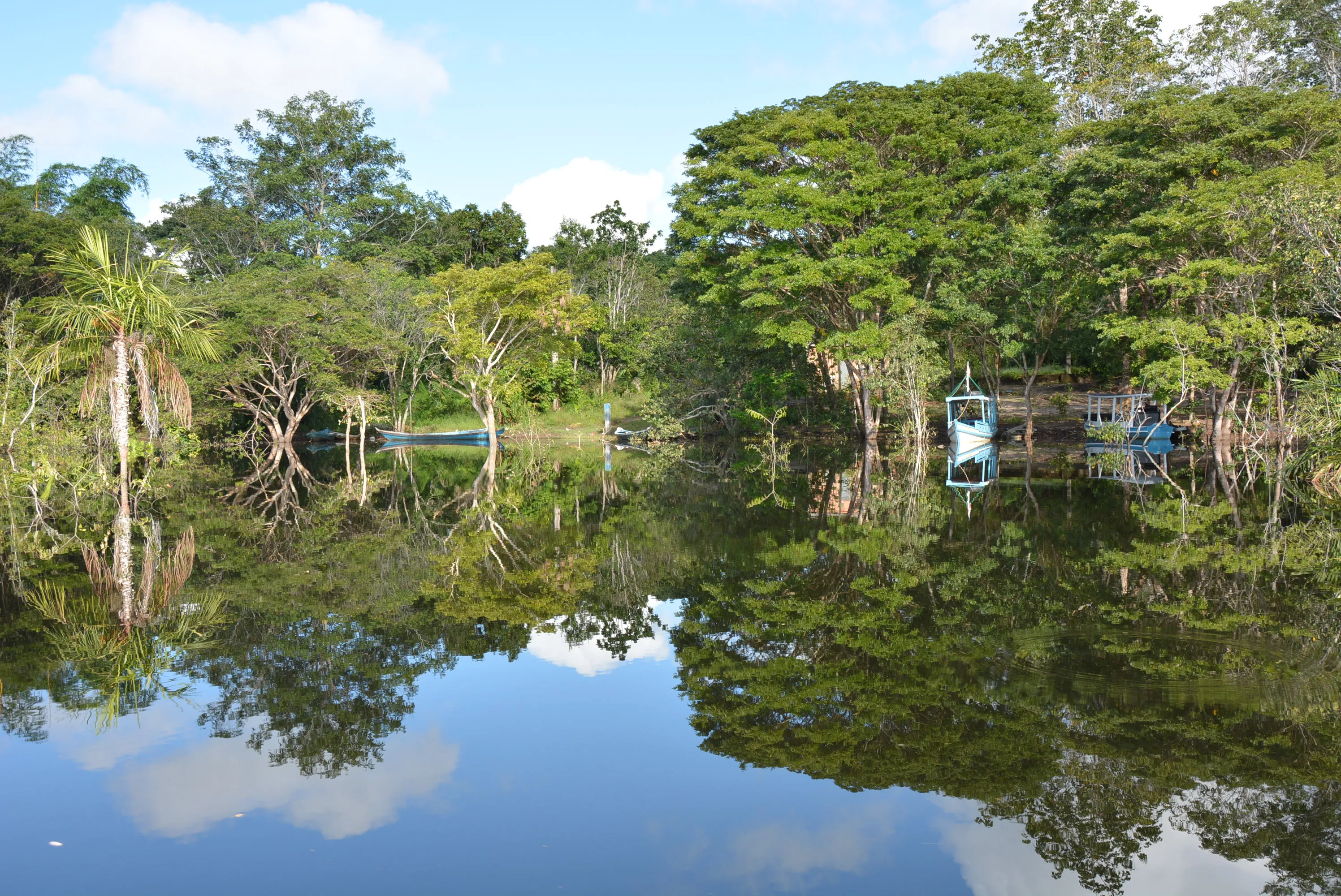
NIRAS was contracted to deliver this programme to promote the management of public forests for sustainable production in Brazil. NIRAS is working in partnership with Detzel Consulting to support the Brazilian Forestry Service (SFB) and the Chico Mendes Institute for Biodiversity Conservation (ICMBio) in the implementation of the project since 2014. In reducing deforestation and promoting the sustainable economic use of forests, the project aims to conserve resources for generations to come. As part of these efforts, the NIRAS consortium is providing support to demarcate and manage 24 national forests, Floresta Nacional, protected areas where no logging can take place unless governed by a concession. Through strengthened national forest management, implementation of forest concessions, and providing training on sustainable forest practices, the project is supporting sustainable forest production and improved institutional protection of natural forests. The project has so far supported the creation of 1,500 jobs through businesses supplying goods and services to the forest sector.
The NIRAS consortium is providing support to demarcate and manage
24
national forests in Brazil
The project has so far supported the creation of

1,500
jobs
Agroforestry
NIRAS has extensive experience in agroforestry systems, with an understanding of their role and potential in reversing deforestation and degradation scenarios and in generating improvements for agricultural production. We have experience in establishing mixed agroforestry systems, including systems combining trees, crops and livestock. We are also experienced in promoting incentives for farmers to invest in agroforestry to ensure their long-term investment. NIRAS has been at the forefront of agroforestry solutions that restore degraded lands, bolster community livelihoods, and mitigate climate impacts. By implementing nature-based solutions worldwide, NIRAS has helped plant over a million trees and supported thousands of smallholder farmers in creating sustainable, diverse agroforestry systems.
Service Provider for Promotion of Agroforestry Systems in Zambezia Province, Mozambique
FUNDER
World Bank
DURATION
2019 - 2022
CONTRACT VALUE
EUR 2M
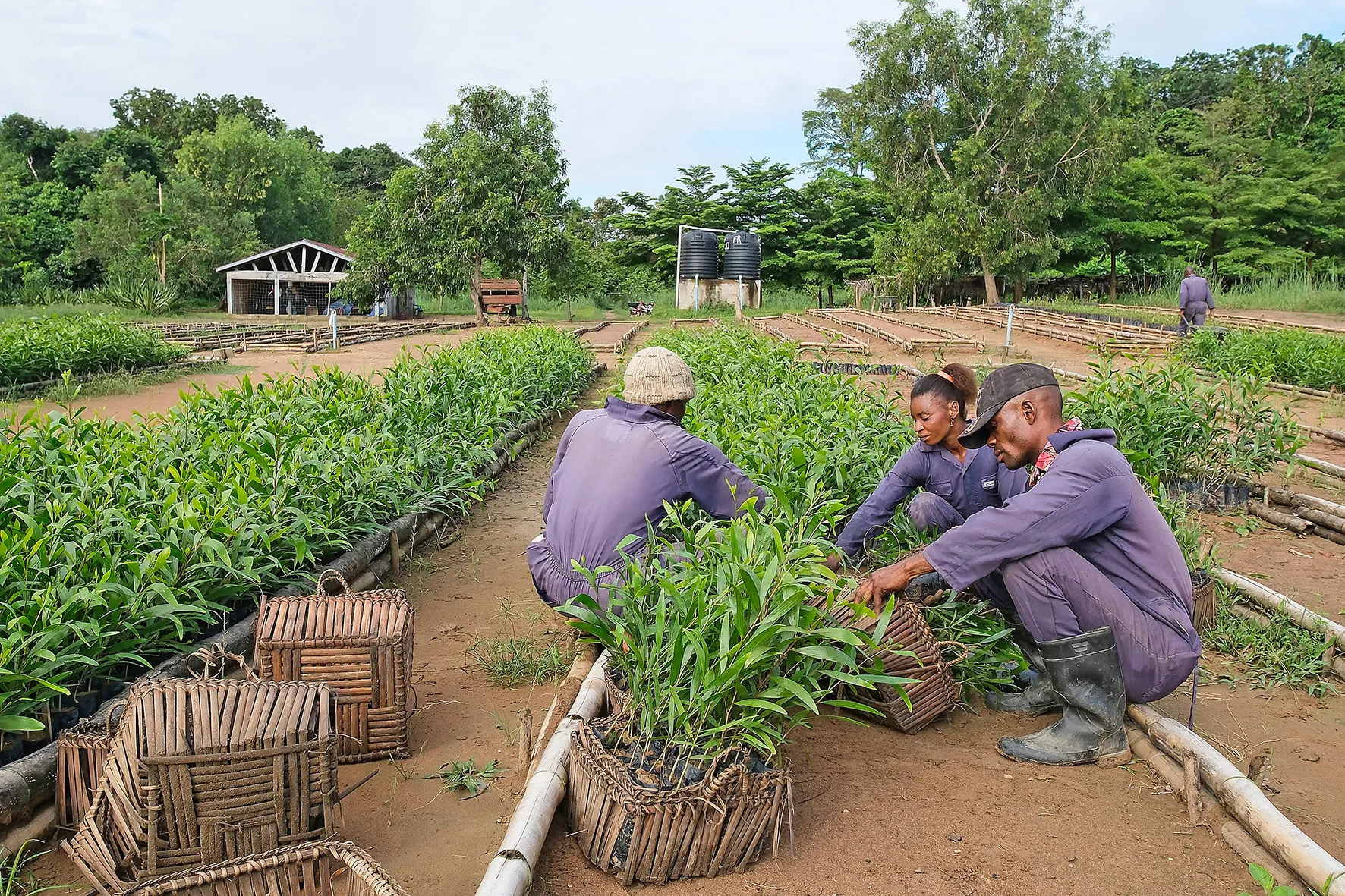
NIRAS was the Service Provider for the Promotion of Agroforestry Systems in Zambézia Province, Mozambique for the World Bank. The project achieved the establishment of over 1000 ha of agroforestry to address domestic and market requirements related to biomass energy, wood, fruit, and other non-timber products and provided direct benefits to over 1,500 smallholder households. The results were encouraging as previously agroforestry systems had hardly been applied in Zambezia. Agroforestry models were achieved by applying strong extension service support and a participatory methodology, as well as developing models to showcase the economic viability of nitrogen-fixing trees. Through training, market linkage support, and participatory planning, NIRAS helped ensure the agroforestry solutions were locally owned and globally impactful.

In Mozambique, NIRAS established over 1000 ha of agroforestry to address domestic and market requirements related to biomass energy, wood, fruit, and other non-timber products and provided direct benefits to over 1,500 smallholder households.
Forest Economies & Livelihoods
NIRAS works across a full range of forestry-related economic activities, including timber, wood processing, non-timber forest products, carbon trading and low deforestation commodities. We are specialists in supporting land managers to identify and develop economic opportunities that can build sustainable businesses, support community livelihoods and meet ecosystem, biodiversity and climate goals. In many of our programmes, we have showcased effective approaches to protect the rights and livelihoods of indigenous people and local communities and support gender equality and social inclusion. We recognise the importance of local private sector firms, civil society organisations and research institutions in supporting forest entrepreneurs, and we often partner with them to enhance efficient service delivery.
Key services include:
- Development of private forestry, including producer’s associations;
- Forest products market and value chain analysis;
- Forest-based value chain development of timber, processed wood and non-timber forest products;
- Support to the sustainable development of forestry enterprises, business and investments including inclusive business models and job creation;
- Land use planning integrating sustainable livelihoods, carbon and conservation goals.
Participatory Plantation Forestry Programme PFP (Phase 2)
FUNDER
Ministry for Foreign Affairs of Finland
DURATION
2019 - 2024
CONTRACT VALUE
EUR 10.8M
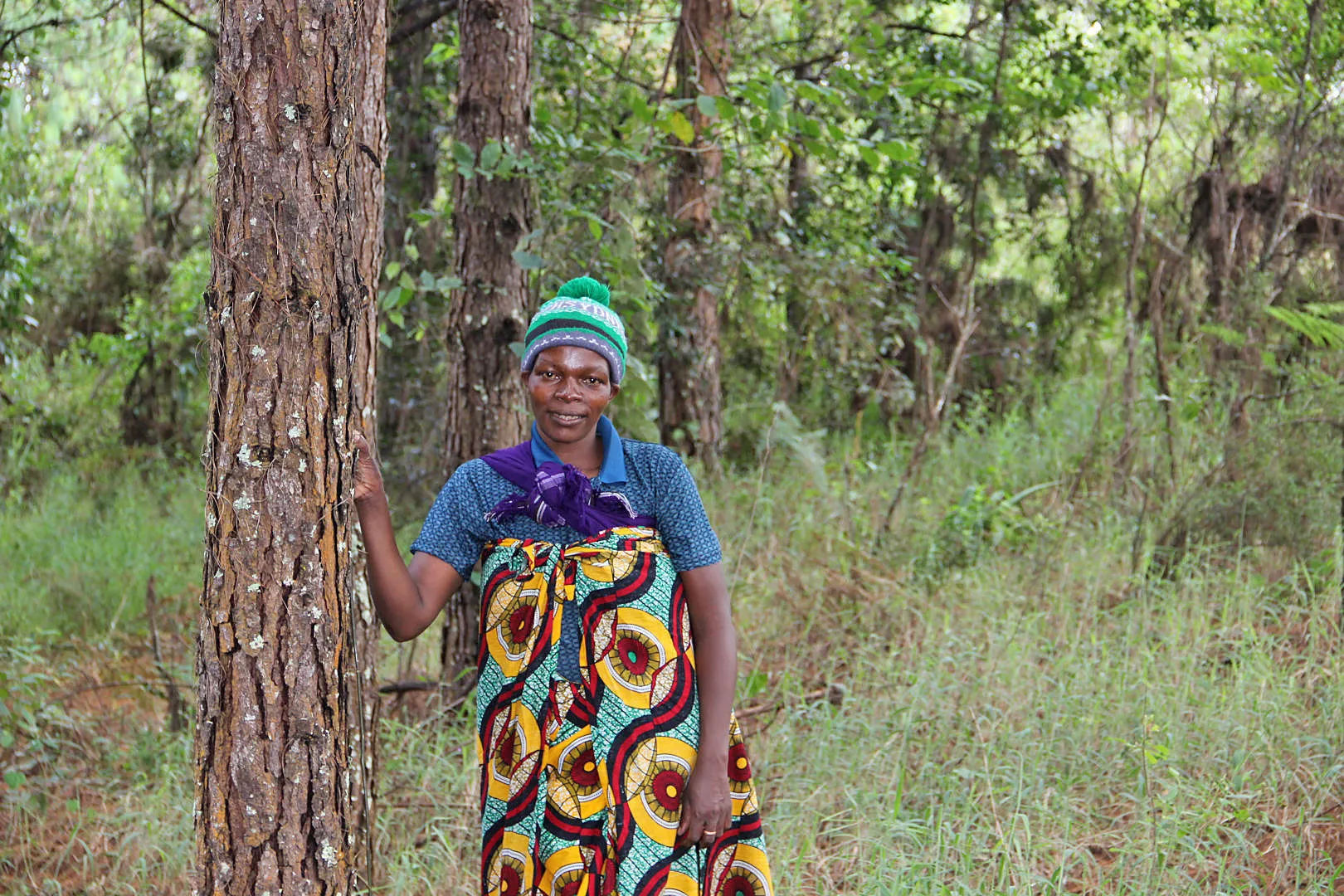
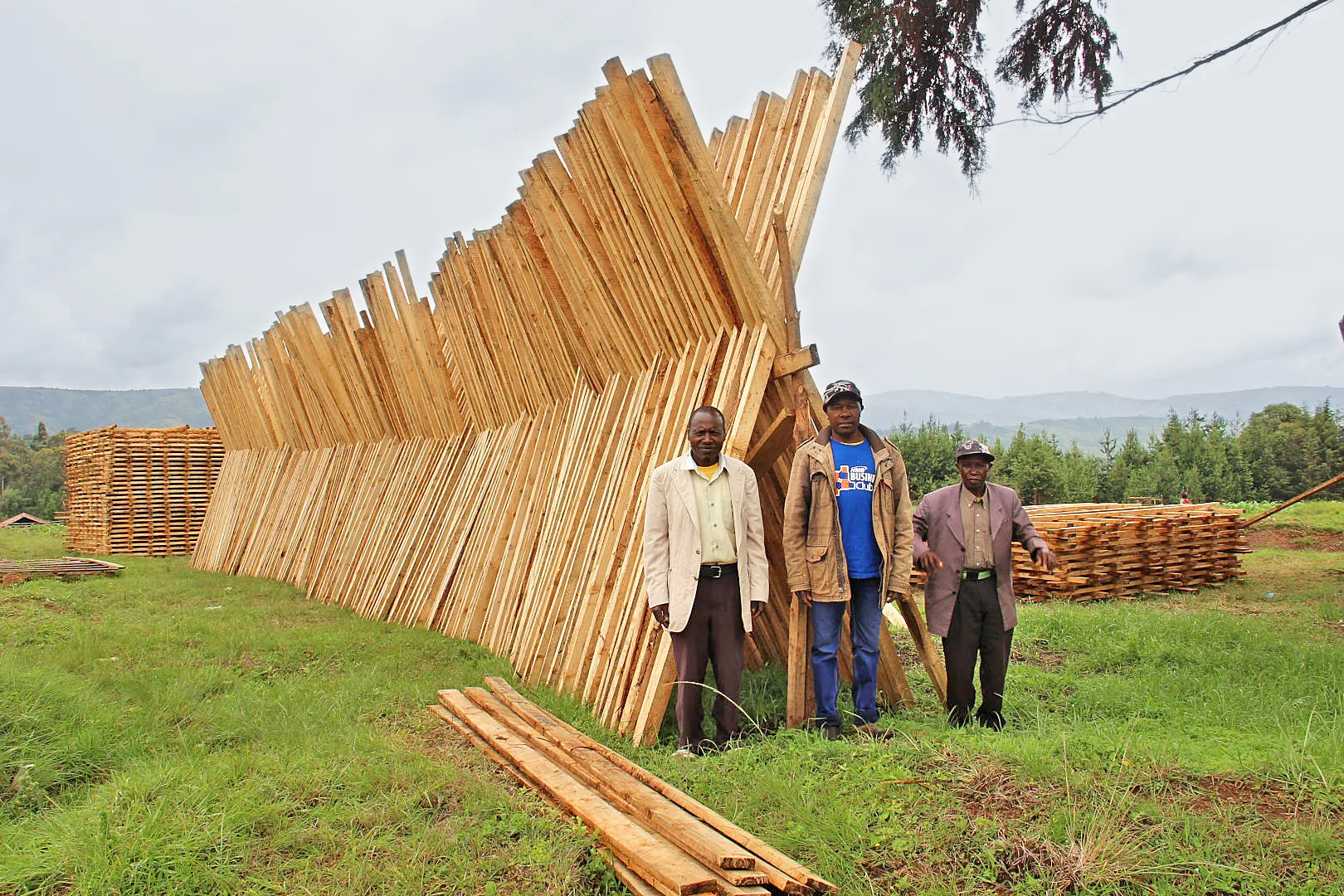
The PFP was the second phase of a long-term partnership between the Governments of Tanzania and Finland. PFP supported sustainable and inclusive private plantation forestry and strengthening of wood industries in the southern highlands of Tanzania to foster sustainable forest economies and enhance livelihoods in forest-dependent communities. Partnering with Indufor, IRAS provided national experts and project support staff and technical backstopping to support tree growing smallholders and related SMEs with training and capacity building, access to finance and sustainable production along the value chain. PFP made significant strides in strengthening over 80 tree growers' associations by developing guidelines, establishing leadership structures, and providing access to financing. The project also developed over 1,800 woodlot management plans, trained over 55,000 villagers and 7,000 tree growers, and issued over 800 certificates of Customary Right of Occupancy, enhancing tenure security for tree growers.

The Participatory Plantation Forestry Programme developed over 1,800 woodlot management plans, trained over 55,000 villagers and 7,000 tree growers, and issued over 800 certificates of Customary Right of Occupancy, enhancing tenure security for tree growers.

Green Economic Growth (GEG) for Papua Provinces Programme
FUNDER
FCDO
DURATION
2018 - 2023
CONTRACT VALUE
EUR 11.6M
The GEG programme worked to promote sustainable economic development in the private sector and build the capacity of local authorities to manage this development and attract investors to Papua. NIRAS’ role was to provide technical assistance to Papuan smallholder farmers as well as micro, small, and medium-sized enterprises (MSMEs) to increase their productivity and the quality of their commodities while protecting the area's vulnerable forests. GEG focused on agricultural commodities (sago, cacao, coffee, virgin coconut oil, seaweed and nutmeg) and the value-added, downstream products that can be developed from those commodities. The project delivered about £93 million in wealth for the Papuan economy in one year (2021–2022), contributed to 31,414 hectares of land under improved natural resource management (22% directly related to GEG intervention), and improved the livelihoods of 44,513 forest-dependent people, with a significant focus on women and youth.
The project delivered about
93 million
in wealth for the Papuan economy in one year (2021-2022)
contributed to
3,414 ha
of land under improved natural resource management
improved the livelihoods of

44,513
forest-dependent people
Forestry, Land Use, and Value Chains Development in Tanzania (FORLAND) Project
FUNDER
Ministry for Foreign Affairs of Finland
DURATION
2025 - 2029
CONTRACT VALUE
EUR 20M
FORLAND aims to promote sustainable forestry practices, improve livelihoods, and strengthen Tanzania’s economic growth. This initiative, supported by the Governments of Finland and Tanzania, focuses on enhancing community-based forest management (CBFM), plantation forestry, and value chain development. By empowering smallholder tree growers and their organisations with effective plantation management techniques, the project aims to optimise yields and ensure sustainable practices. Additionally, FORLAND promotes sustainable management of Miombo natural forests through CBFM, enabling communities to take an active role in conserving their forest resources. By supporting CBFM communities, tree growers, and small and medium-sized enterprises to improve their production and business skills, the project facilitates value-added production and marketing, thereby increasing their income and enhancing their livelihoods. To create a conducive environment for these activities, the project also focuses on strengthening institutions, particularly in forest education.

FORLAND promotes sustainable management of Miombo natural forests through community-based forest management, enabling communities to take an active role in conserving their forest resources.
Forest Governance
NIRAS assists in the development and reform of forestry policies and institutions to support sustainable forestry. Our approach builds strong legal, institutional and regulatory frameworks, effective cross-sectoral coordination, transparent decision making and effective law enforcement to combat deforestation and support the sustainable management of forests.
Key services include:
- Advice and technical assistance to develop forest strategy and policy;
- Support to institution building and governance at national and subnational levels;
- Support to the formulation of national forest plans, European Union Forest Law Enforcement, Governance and Trade Action Plan (FLEGT) and forest reform processes;
- Land use planning, stakeholder engagement and capacity development for landscape governance.
Recently, NIRAS has helped countries align forest governance with international climate and biodiversity commitments. For instance, we facilitated a review and revision of Uganda’s Forestry Policy and National Forest Plan between 2021–2022 and managed the UK’s contribution to the UK-China Cooperation in International Forest Investment and Trade (InFIT) programme. Additionally, NIRAS has supported the Kenya Forest Service to strengthen policy and institutional arrangements to serve the needs of communities, private sector, government and civil society.
Mobilisation of Facilitation Units for Voluntary Partnership Agreements on Forest Law Enforcement, Governance and Trade
FUNDER
AFD
DURATION
2023 - 2027
CONTRACT VALUE
EUR 7.2M
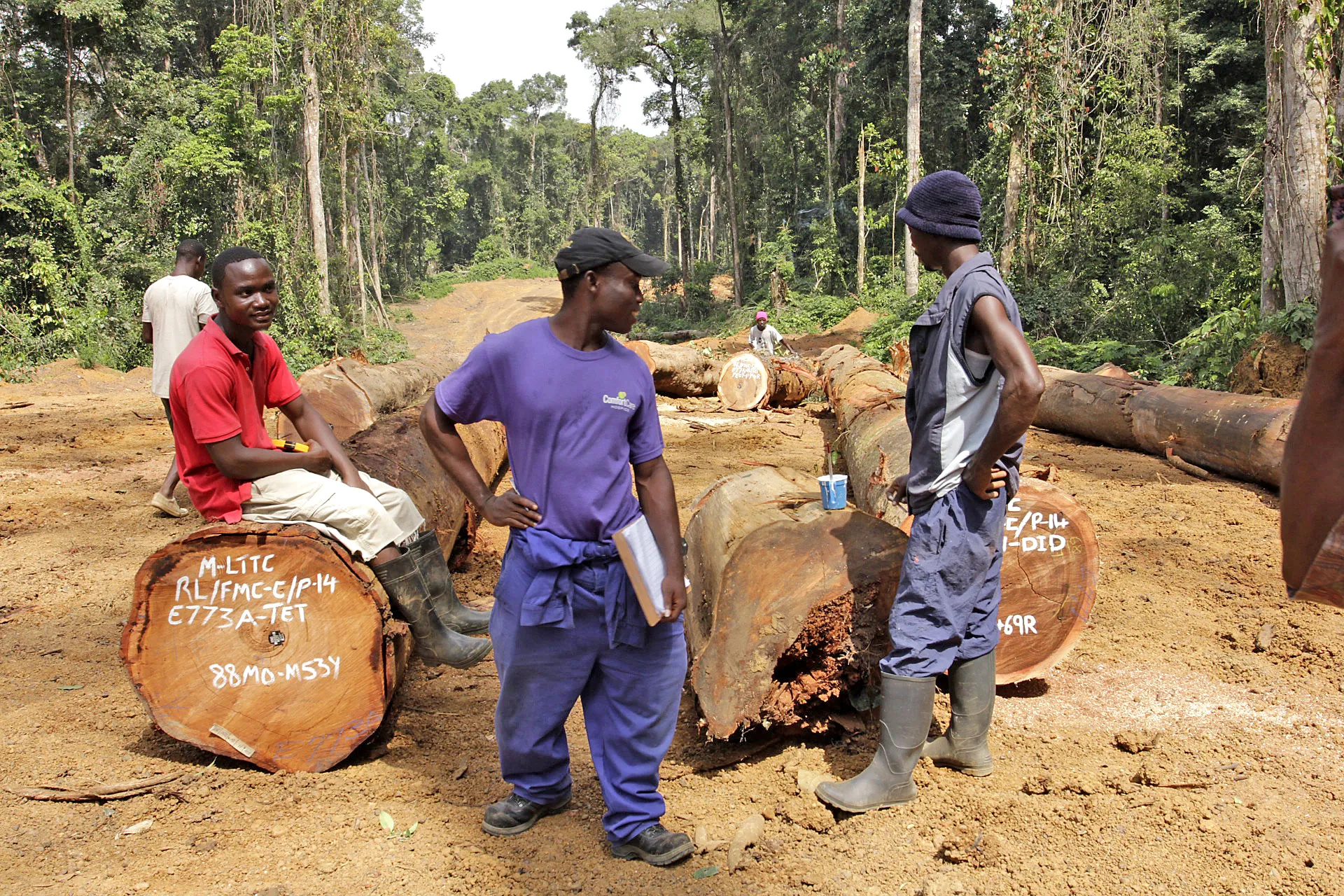
The EU champions legal timber trade via Voluntary Partnership Agreements (VPAs) on Forest Law Enforcement, Governance and Trade (FLEGT) with timber-producing nations. Recognising the need for multi-stakeholder involvement, NIRAS has been contracted to support the establishment of Facilitation Units in several target countries to help stakeholders achieve VPA compliance. The VPA Facilitation Units drive a deliberative process, furnishing crucial information and inputs to support local ownership and advance VPA implementation. Anticipated outcomes encompass supporting joint VPA structures, providing information on VPA implementation progress, documenting VPA lessons learned, documenting progress on improved forest governance and management, and communicating information on VPA implementation plan milestones. NIRAS has established Facilitation Units in the Republic of Congo and Liberia, and there are plans for expansion into Guyana, Cameroon, Ghana, and the Central African Republic.

NIRAS has established Facilitation Units to help stakeholders achieve Voluntary Partnership Agreements compliance in the Republic of Congo and Liberia, with plans for expansion into Guyana, Cameroon, Ghana, and the Central African Republic.
.webp)
Forest Law Enforcement, Governance & Trade
FUNDER
KfW/BMZ
DURATION
2022 - 2027
CONTRACT VALUE
EUR 4.1M
This project in Lao PDR aims to benefit forest ecosystems and populations dependent on forests and their products from the implementation of selected elements of the Timber Legality Assurance System (TLAS) and a legality certificate for timber in Laos. Furthermore, technical and financial support will be given to the Lao wood sector (timber processors and producers under a supply chain perspective). The FLEGT-FC will contribute to the development of a nation-wide Lao TLAS to facilitate the exportation of legal timber and wood products within the region. In the long-term, Laos hopefully will also benefit from timber-exports to the EU. NIRAS supports managerial and operational capacity of the project, including monitoring and evaluation.

The Forest Law Enforcement, Governance and Trade project in Lao PDR aims to benefit forest ecosystems and populations dependent on forests and their products from the implementation of selected elements of the TLAS and a legality certificate for timber in Laos.

