
Our portfolio

MFF invests in private companies whose activities have a high degree of impact on at-risk tropical forests. The MFF investment helps these companies reorient their activities or grow their business away from deforestation and towards deforestation-free practices while producing a financial return for the companies. The MFF TA Facility is a means to “derisk” investments by making them more likely to succeed. For the investees, it is a way to gain access to world-class expertise, specifically tailored to their needs. NIRAS, in consortium with the Stichting IDH, are responsible for managing and delivering the Advisory Services portion of the TA Facility for MFF. Operating as a demand-driven facility, the NIRAS-led team respond flexibly to the needs of the client companies by developing and delivering high-quality TA through a network of in-house and associated consultants and experts. NIRAS set up the operational procedures and principles which enable rapid deployment of resources, as well as managing the overall implementation of the TA assignments, ensuring quality, and monitoring the facility activities.
Learn more
CERTAF supported eligible FIs under the European Fund for Sustainable Development (EFSD) guarantee mechanism, through which PROPARCO provides €68 million in credit lines to eight partner institutions. CERTAF delivered tailored training and advisory services to help institutions enhance their strategies, operations, services, and products. This helped to protect employees, better respond to MSME client needs in the aftermath of the COVID-19 pandemic, and strengthen resilience to current and future crises for both the FIs and their clients.
Delivered in a consortium comprised of NIRAS, Deloitte Afrique, and LFS Advisory, and working across Madagascar, Senegal, South Africa, Uganda, Tunisia, and Georgia, CERTAF provided customised TA on-demand to seven FIs in a range of areas including lean operations management, strategy development, risk management, institutional and product diversification, agricultural finance, CRM systems, digital strategy and ESMS. In addition, TA was delivered to multiple FIs on common issues via online training webinars in French and English on digital transformation, business process reengineering, mainstreaming climate risk management for MFIs, agricultural financing, and MSME market segmentation.
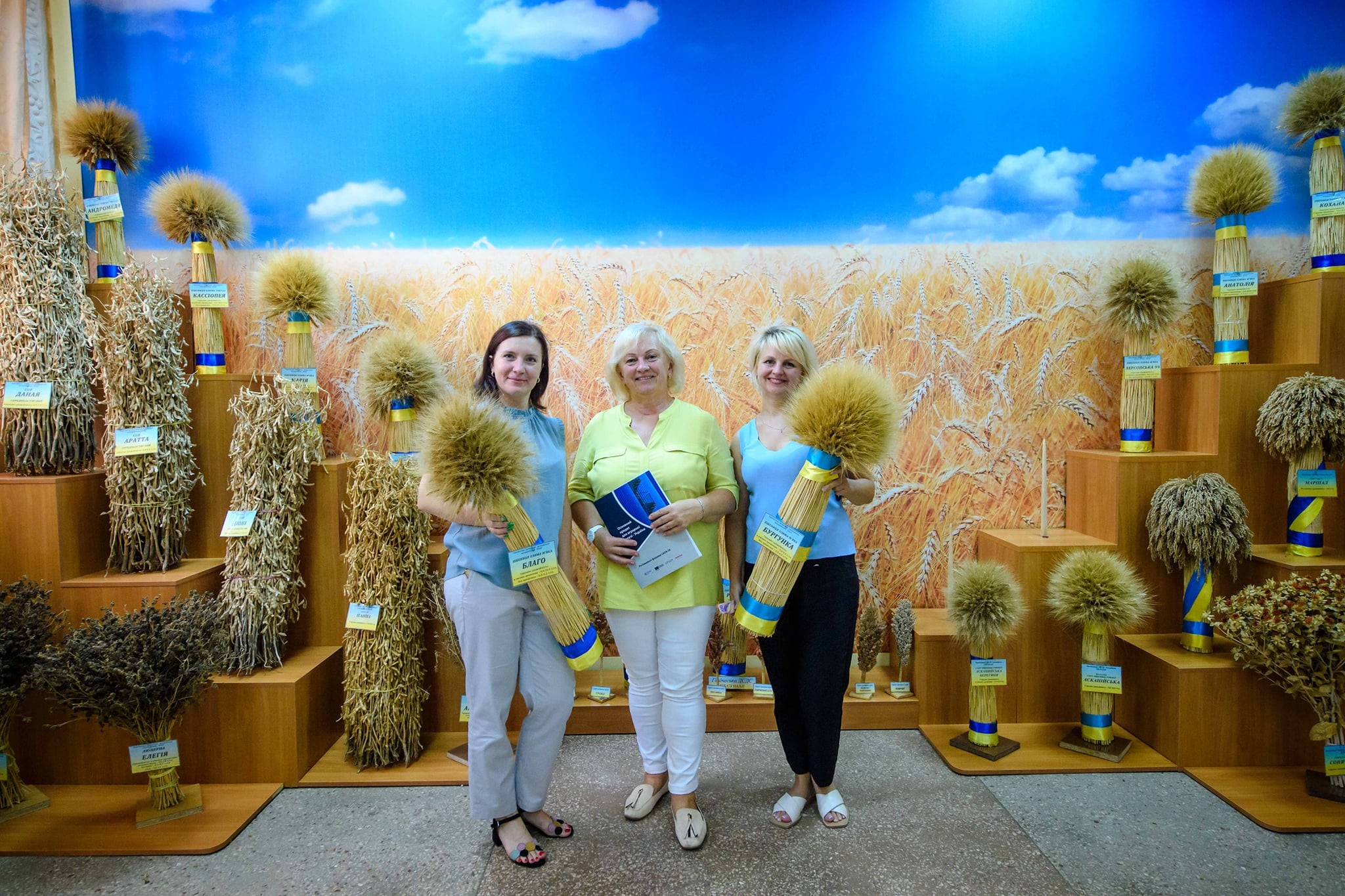
The Ukraine Agri-Food Value Chain Technical Assistance (UAFATA) supported the deployment of a €400 million EIB APEX loan aimed at boosting productivity, competitiveness, and investment across Ukraine’s cereals, oilseeds, and fisheries value chains. By improving access to finance for SMEs and mid-cap firms—traditionally constrained by high collateral requirements and perceived risk—the programme enabled investments in modernisation, including machinery, storage, processing, and logistics infrastructure aligned with EU standards. This contributed to strengthening value chain performance, enhancing compliance with technical and sanitary requirements, and ultimately positioning Ukrainian agri-food enterprises to compete more effectively in both domestic and export markets. The project also helped address systemic bottlenecks in agri-finance, supporting increased uptake of lending in a challenging macroeconomic and conflict-affected environment.
Funded through EU and EIB trust fund grants, the TA was central to ensuring effective utilisation of the loan and building sustainable capacity. NIRAS and its partners worked at two levels: strengthening financial intermediaries through training in value chain lending, risk assessment, and due diligence, while also directly supporting borrowers to meet loan requirements and become bankable. The project focused on building capacity across the ecosystem, including mentoring regional advisory services, engaging business associations, and enhancing banks’ ability to identify viable agri-investments. It also supported outreach to FIs and provided market intelligence through webinars and regular information digests, ensuring both timely loan disbursement and longer-term improvements in agri-finance systems and advisory capacity.
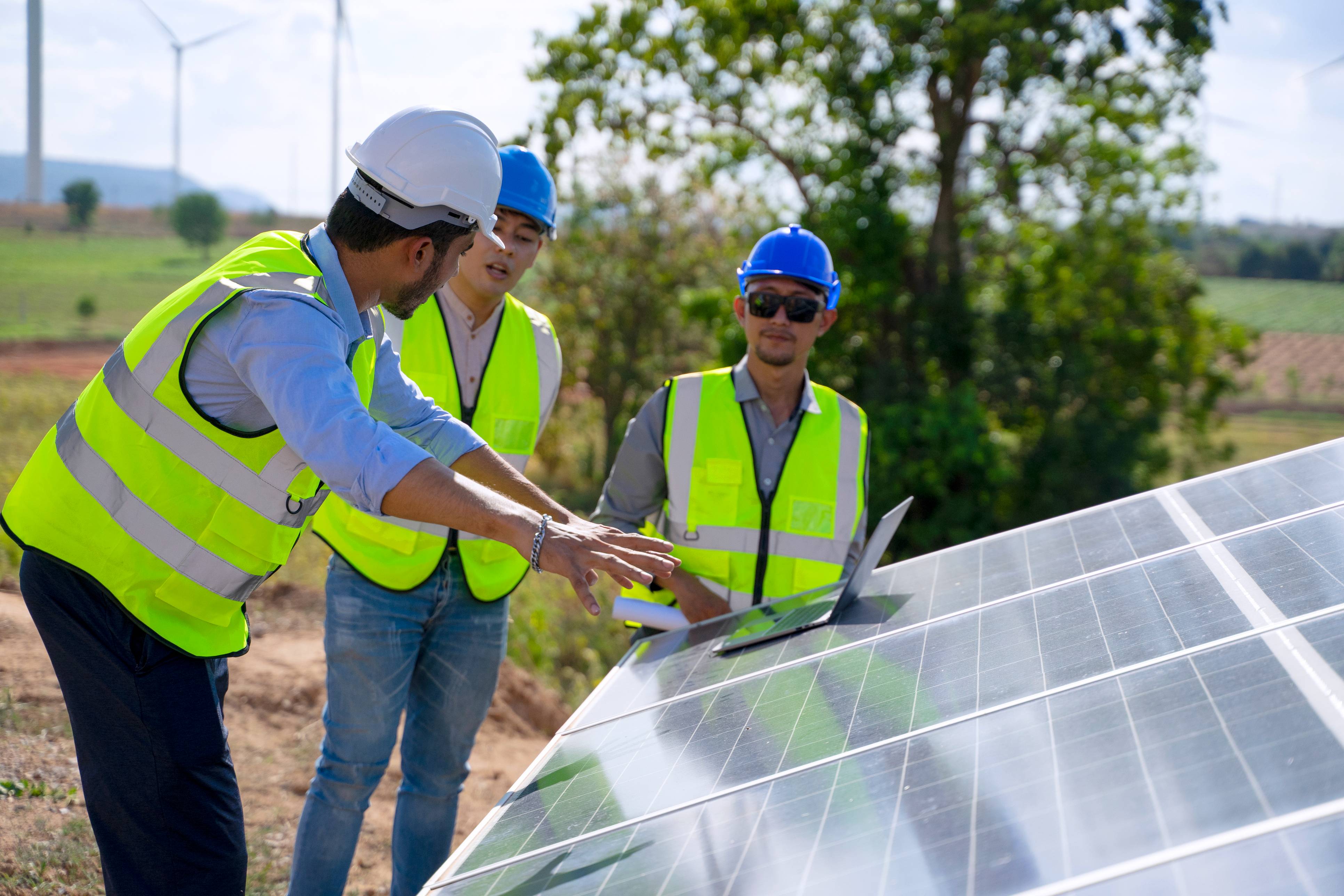
Over multiple engagements, Syspons (a NIRAS business unit) has supported DEG in strengthening its strategic positioning, impact management practices, and analytical frameworks across its investment operations. In response to evolving requirements around sustainability, climate, and development impact, the collaboration focused on enhancing DEG’s ability to integrate environmental, social, and economic objectives into its business model and portfolio management.
Key challenges included aligning internal strategy with global standards such as the SDGs and the Paris Agreement, operationalising impact alongside financial performance, and addressing data and methodological gaps in areas such as job quality, gender-lens investing, and net impact measurement. Syspons provided a combination of strategic advisory, analytical research, and process facilitation across multiple workstreams. This included supporting the design and implementation of DEG’s strategy Impact.Climate.Returns, contributing to the development and refinement of the Development Effectiveness Rating (DERa), and strengthening the integration of environmental and social standards into investment decision-making.

