Inclusive & Resilient Agriculture Market Systems

Vibrant, dynamic, and inclusive markets are critical to achieving sustainable development
NIRAS’ excellence in delivery drives efficiency and promotes inclusivity across value chains, generating positive development outcomes for both producers and consumers. Women and youth play vital roles in the agriculture sector, and we work to ensure they have equal opportunities to participate and succeed. Using an analytical, data-driven approach, we identify and scale solutions that help enterprises and sectors overcome market constraints and unlock transformational opportunities. NIRAS works closely with local actors to catalyse sustainable change in market systems. Strengthening the local private sector is central to building resilient markets, as businesses flourish when the communities they source from and serve also prosper. Our expertise at the grassroots level of value chains makes us a trusted partner not only for public sector funders but also for private sector companies—national, regional and international—seeking to strengthen livelihoods and support community development through responsible and inclusive supply chains.
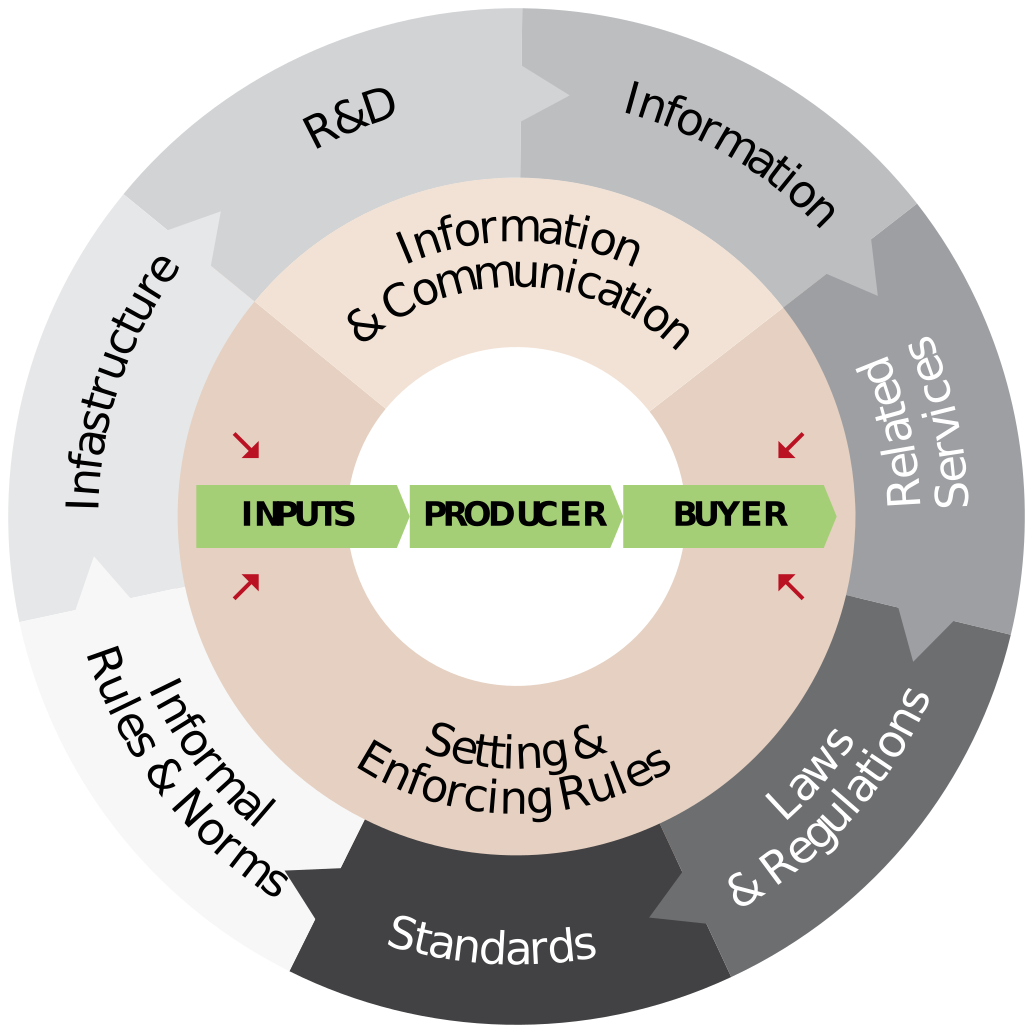
NIRAS applies a resilient market systems approach based on our long experience working with agriculture value chains in challenging settings. We stimulate change by addressing the main constraints at different points of the central value chain and strengthening its supporting functions (e.g. research & development, market information) and the rules and regulations of the enabling environment.
Our specialist services:
- Design and implementation, applying market systems and value chain development (MSD/VCD) approaches,
- Providing evidence-based decision making through detailed market systems and value chain analysis,
- Upgrading the knowledge base through business development services and agricultural entrepreneurship training,
- Supporting strong farmer organisations through the establishment of good governance systems,
- Establishing close market linkages with smallholder farmers through, for example, contract farming,
- Promoting women’s economic empowerment, and applying a gender action learning system (GALS) approach,
- Conducting stakeholder engagement, advocacy, and communication and visibility actions,
- Programme/project monitoring, evaluation, and learning (including data collection and analysis).
Highlighted projects
Driving global investment into inclusive climate-resilient agri-food systems that increase smallholder incomes
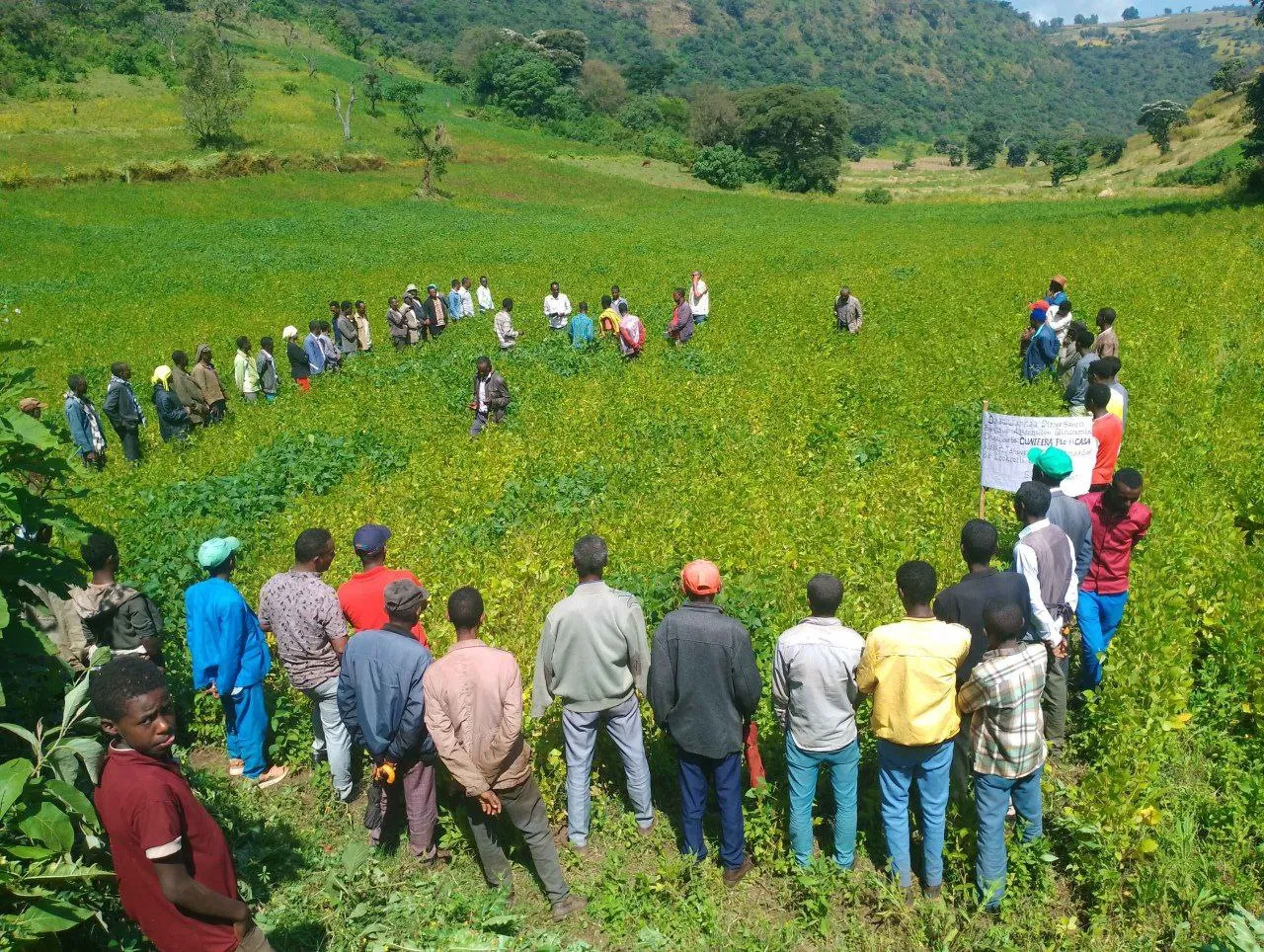
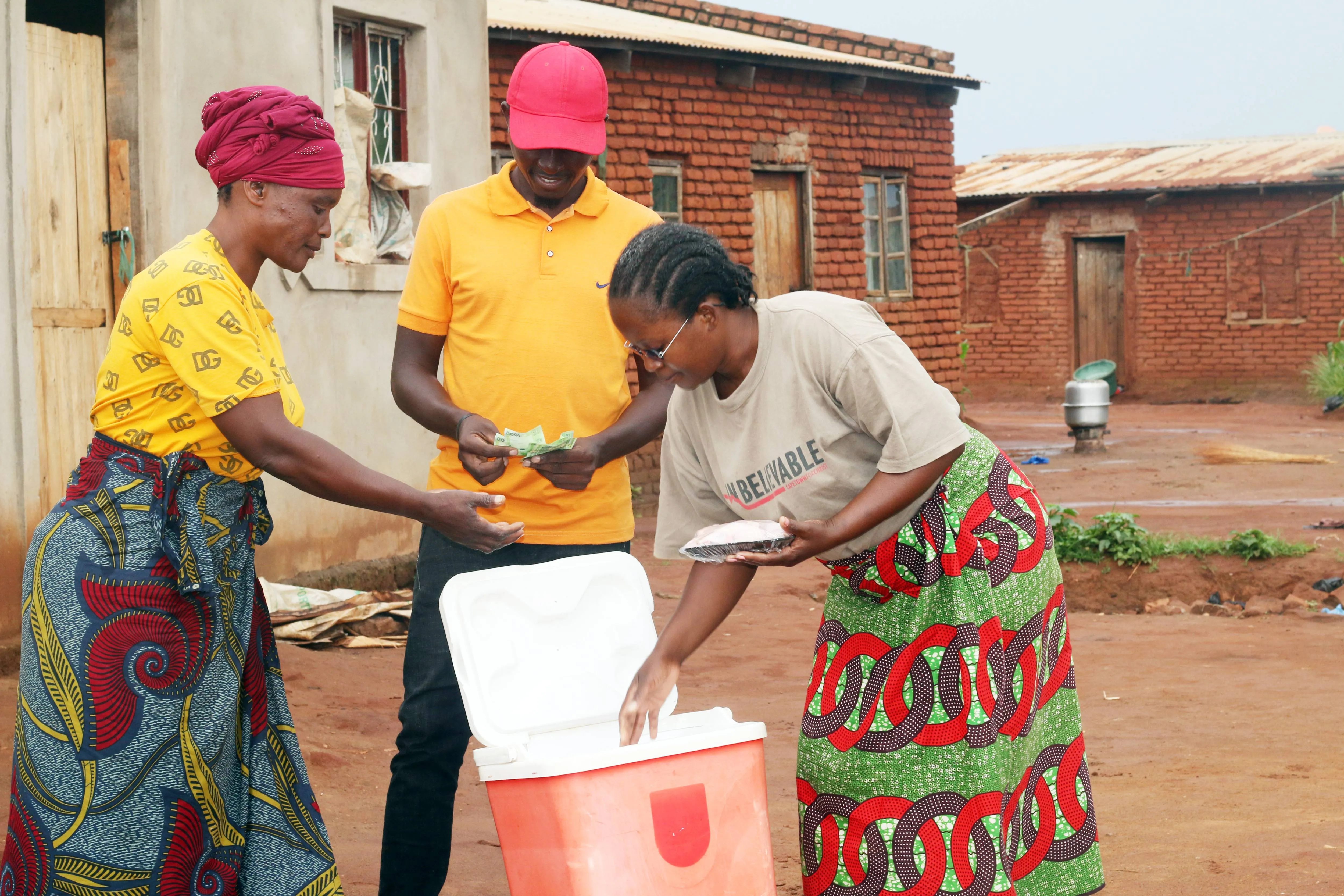
The Commercial Agriculture for Smallholders and Agribusiness (CASA) programme was a £20m FCDO-funded initiative designed to strengthen linkages between smallholder producers and large agribusinesses, helping to develop value and supply chains that increase smallholder productivity and commercial viability. CASA’s MSD team focused on building inclusive market structures and improving the pipeline of investment-ready climate resilient agribusinesses across Malawi, Nepal, Rwanda, Ethiopia and Uganda. Through close monitoring and analysis across all CASA components, NIRAS gathered evidence and communicated learnings to create a better understanding of what is needed to stimulate change and to de-risk investments into agriculture market systems.
From March 2019 to March 2026, CASA reached +436,000 smallholder farmers (45% women) and leveraged over £15 million in investments to smallholder market systems.

Strengthening the competitiveness of selected value chains in Mozambique
VaMOZ Competir, funded by GIZ, aims to strengthen the competitiveness of micro, small, and medium-sized enterprises (MSMEs) and smallholder farms in rural and coastal areas. Implemented by NIRAS in collaboration with the Mozambique Ministry for Agriculture and Rural Development (MADER), the project focuses on fostering more efficient and productive MSME operations, contributing to a dynamic sector with positive impacts on employment and income generation, particularly for women and youth. To encourage diverse agricultural output, the initiative is developing integrated business models that connect leading firms in the agricultural industry with MSMEs and smallholder farmers. This model addresses gaps within the public agricultural extension system by promoting the responsibility of lead firms to train MSMEs and smallholders in areas such as good agricultural practice—utilising methods like farmer field schools—while simultaneously enabling lead firms to access products and business development services. An additional component of the project works to enhance access to finance by supporting the bankability of lead firm activities and assisting financial institutions in the development of tailored financial products for MSMEs.
The project is working with ten leading firms and 70 MSMEs (35% women-led) using inclusive business models to connect them with 8,000 smallholder farms in rural and coastal regions (50% women/30% youth).