Food Safety & Supply Chain Management

Optimising agri-food value chains and quality infrastructure
Food and beverage products stand apart from most other consumer goods due to their strict hygiene standards, short shelf lives, unique packaging needs, and specific storage temperatures and facilities. As a result, the food and beverage industry’s supply chain faces numerous complex challenges: responding to evolving consumer preferences and future market trends, upholding food safety, adapting to climate change, and minimising food waste. To boost productivity and ensure high-quality output, companies must optimise their supply chains. However, limited capacity and expertise at every stage of the food system—from input supply and farming or livestock rearing, through processing and onto distribution—pose significant barriers to improving quality throughout the value chain. Embracing climate-smart technologies and expanding post-harvest capabilities, such as cold chain solutions, are vita lsteps. These improvements help deliver produce to local markets and aggregate goods for further processing and export, ultimately supporting profitability and sustainable livelihoods for farmers, even in remote rural areas.
NIRAS supports farmers, agribusiness, and governments agencies and institutions at all levels to help maximise yields and optimise business operations while also minimising production costs and environmental impact, and maintaining food consumption standards. We provide support to the overall quality infrastructure, including its legislative framework, structural set up for implementation and enforcement, and work with improving the quality production at farm level where most of the food borne diseases enter the food chain.
Our specialist services:
- Developing national policies for food safety and trade,
- Establishing quality infrastructure, including accreditation systems,
- Developing internationally recognised sanitary and phytosanitary standards (SPS),
- Reducing technical barriers to trade,
- Digital MSME finance and technology innovations,
- Supporting farmers, processors, food safety agencies, and related actors in enhancing their capacities in good agricultural practices and hazard analysis critical control point (HACCP) systems,
- Capacity building of farmers in agroecological techniques and safe pesticide management,
- Setting up organic certification to enable farmers to sell value-added organic produce at a premium.
As part of the NIRAS Group, our Food & Beverage division works with private processing entities, providing investment advice, projects execution and production optimisation of manufacturing facilities across the world.

Highlighted projects
Improving quality seed production of traditional, climate resilient crops
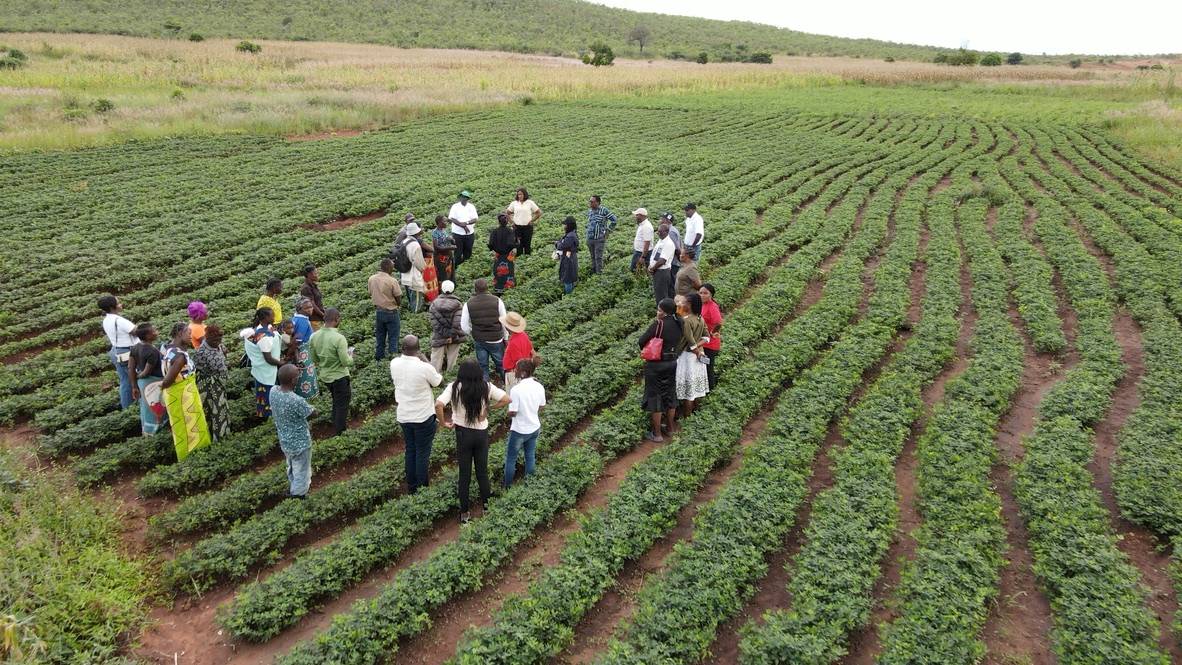
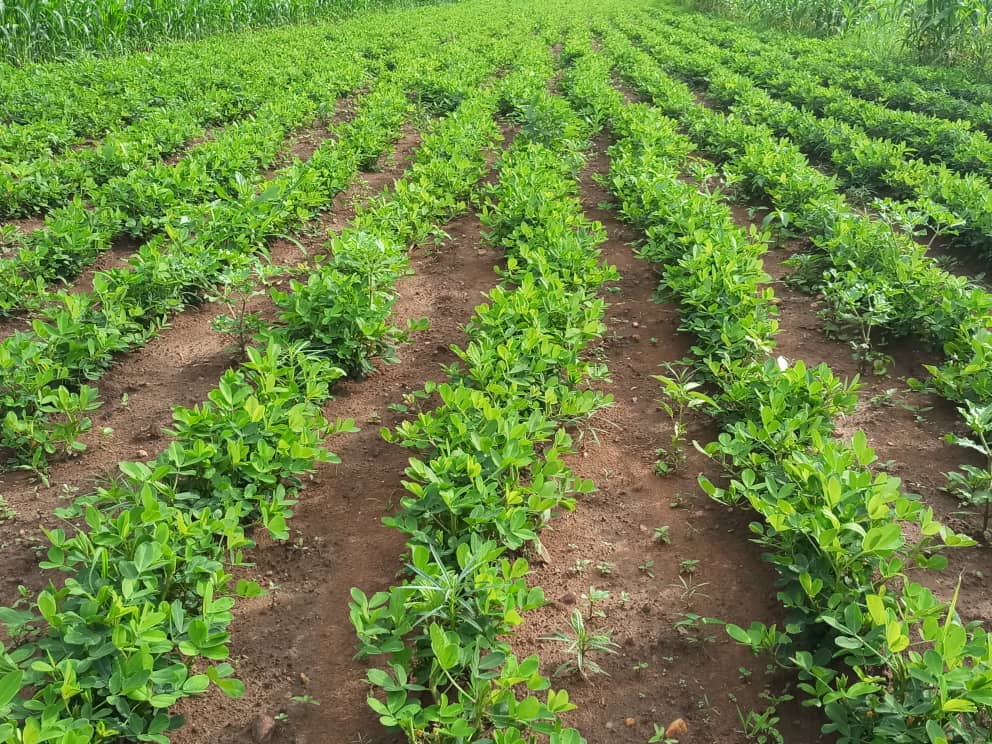
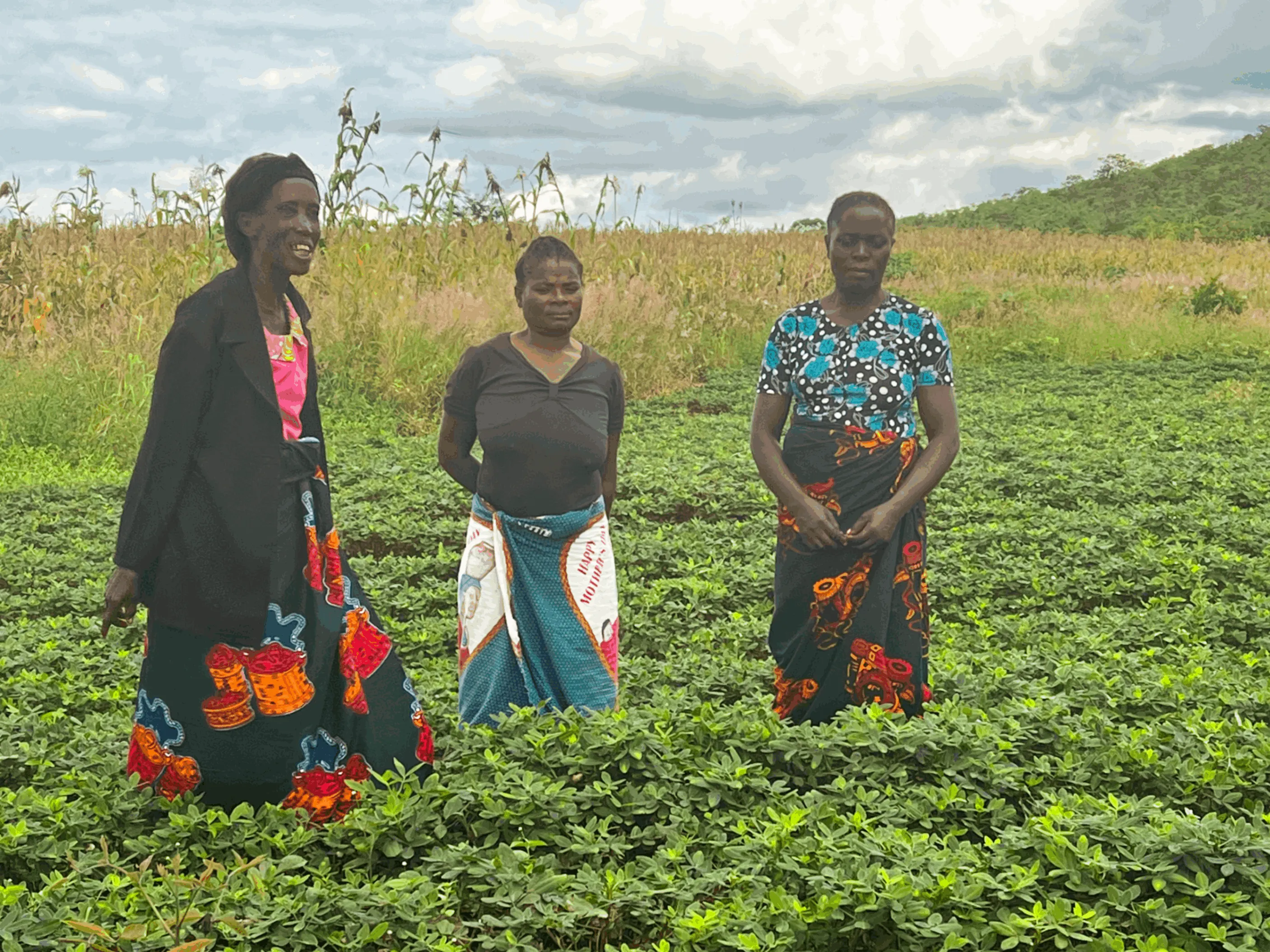
The Markets and Seeds Access Project (MASAP) is a 12-year initiative funded by SDC, with NIRAS leading efforts to promote drought-tolerant crops together with our partners FiBL and CDTO in Zambia and Zimbabwe. The project works with the private sector to help smallholder farmers—especially women and youth—adopt good agricultural practices, quality management procedures, and climate-smart techniques. Emphasis is placed on producing drought-tolerant, disease-resistant crop varieties, using certified seeds, and implementing best practices in land preparation, weeding, and moisture conservation. MASAP addresses food safety by minimising aflatoxin contamination through improved processing and storage, and supports ongoing research in this area. The project engages with policymakers and value chain stakeholders to promote supportive policies and provide training to ensure high-quality, safe food and seed systems. MASAP facilitates the development of a framework for farmer seed variety registration aimed at expanding access to traditional, high-quality seed varieties.
Phase 1 successfully built a strong foundation to enhance the productivity, resilience, and incomes for smallholder farmers in Zambia and Zimbabwe, with 34,268 farmers linked with the private sector and earning an income. Final-year yield increases were up to 1,300 kg/ha and 65 profitable farmer organisations were directly supporting, contributing to improved food security and nutrition outcomes.
Strengthening the skills and knowledge of the Uzbek national administration working with the legal and regulatory framework governing the agri-food sector
The EU-funded Agri-Food Legal and Regulatory Support to Uzbekistan project assisted the Government of Uzbekistan in implementing reforms prioritised in its national Agri-Food Development Strategy 2020–2030. As Uzbekistan moves towards World Trade Organisation (WTO) membership, aligning national legislation with international standards—particularly agreements on sanitary and phytosanitary (SPS) and technical barriers to trade—is essential to ensure regulatory equivalence, facilitate trade, and establish a reliable food safety system. The priority areas identified in the national strategy require a robust legal framework that clearly defines the rights and responsibilities of actors across the agri-food value chain.
Key areas of support included:
- Conducting a comprehensive food safety legal and regulatory assessment, including a gap analysis, case studies on international best practices, and the development of a legal reform roadmap aligned with Uzbekistan’s strategy for WTO accession,
- Performing a food safety regulatory monitoring and compliance assessment,
- Strengthening regulatory impact assessment (RIA) practices within the Ministry of Agriculture through capacity-building initiatives. This included applied case studies and targeted training on RIA methodology to enhance evidence-based policy-making.