Nutrition & Food Security

Promoting food security, healthy diets, and resilient food systems
Climate change, conflict, and health emergencies have had a significant negative impact on food availability and progress against key nutrition indicators in emerging economies in recent years. There is a need for a renewed focus on multi-sectoral approaches to nutrition, healthy diets, more effective information and data platforms, enhanced accountability, and improved reporting on the progress of nutrition pledges. Food security systems need continued on-farm and institutional support to enhance supply and value chains, effectively functioning markets, and the policy and business environment, as part of maintaining nutrient-rich available and affordable food.
NIRAS is committed to tackling deepening food insecurity and prioritising healthy diets and nutrition.
Our specialist services:
- Addressing systemic food security challenges including fostering resilient markets systems and supply chains, supporting agricultural policy reform and institutional strengthening, and enhancing food safety,
- Provision of on-farm climate smart agriculture, irrigation, and livestock and pastoral systems expertise to enhance food security for smallholder farmers, including women, and youth,
- Technical assistance in support of affordable healthy diets in line with the World Health Organisations' Committee on Food Security's Voluntary Guidelines on Food Systems and Nutrition,
- Services addressing undernutrition (stunting, wasting, and micronutrient deficiencies) and obesity,
- Institutional capacity development in early warning food and nutrition security mechanisms, multisectoral interventions, and mainstreaming of nutrition-sensitive interventions across sectors,
- Monitoring and evaluation of food and nutrition security interventions.
Highlighted projects
Scaling climate-smart water–energy–food innovations in East Africa
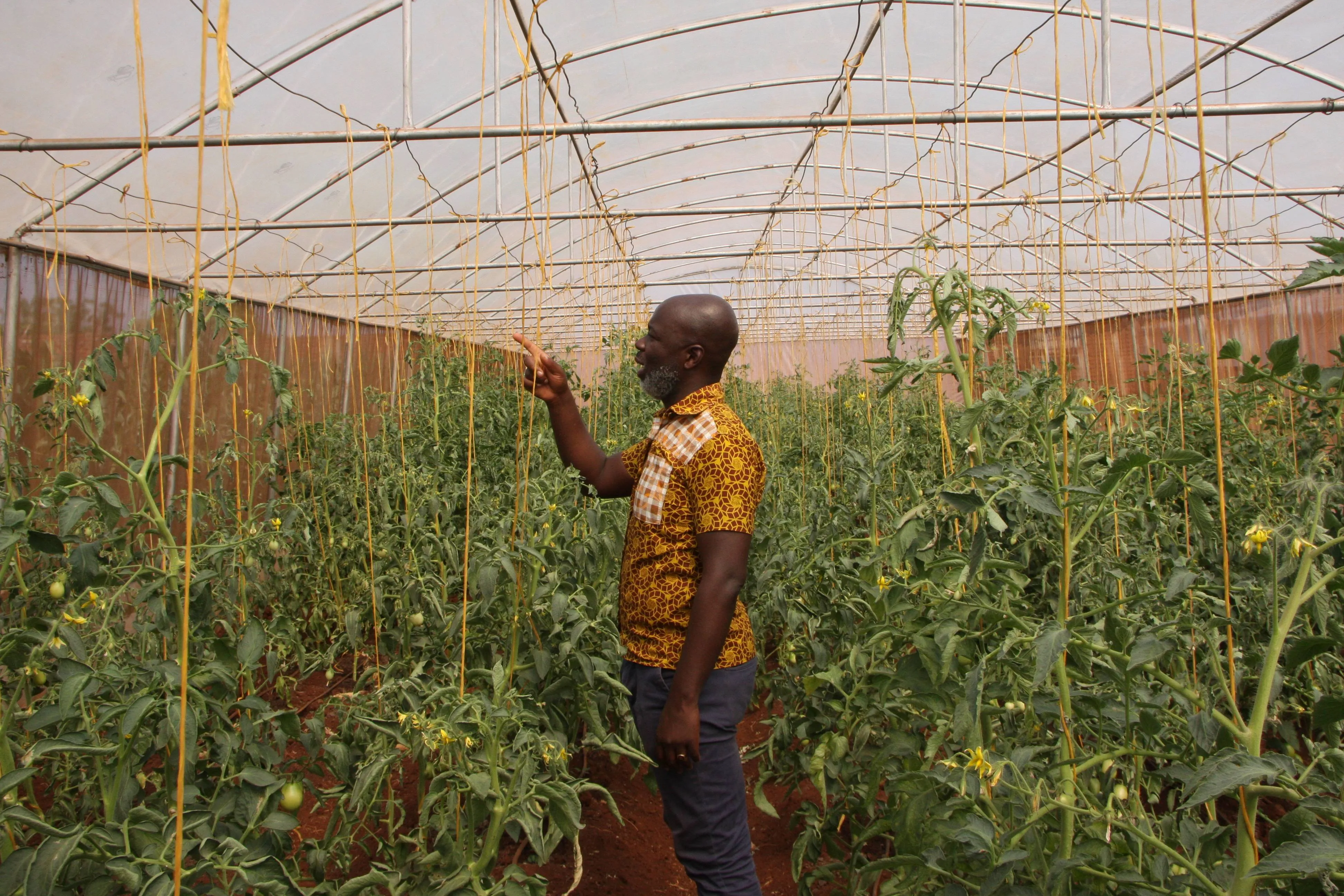
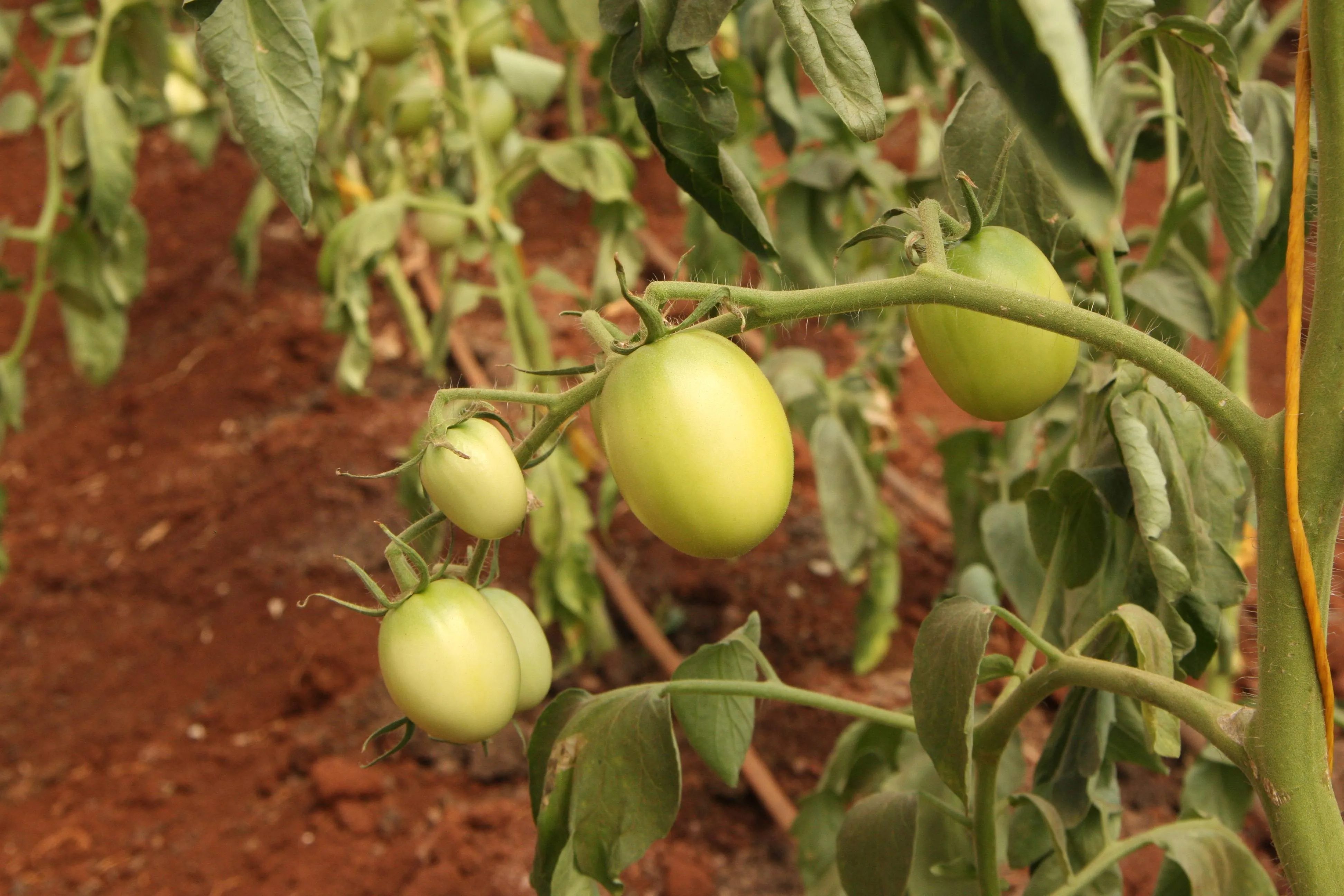
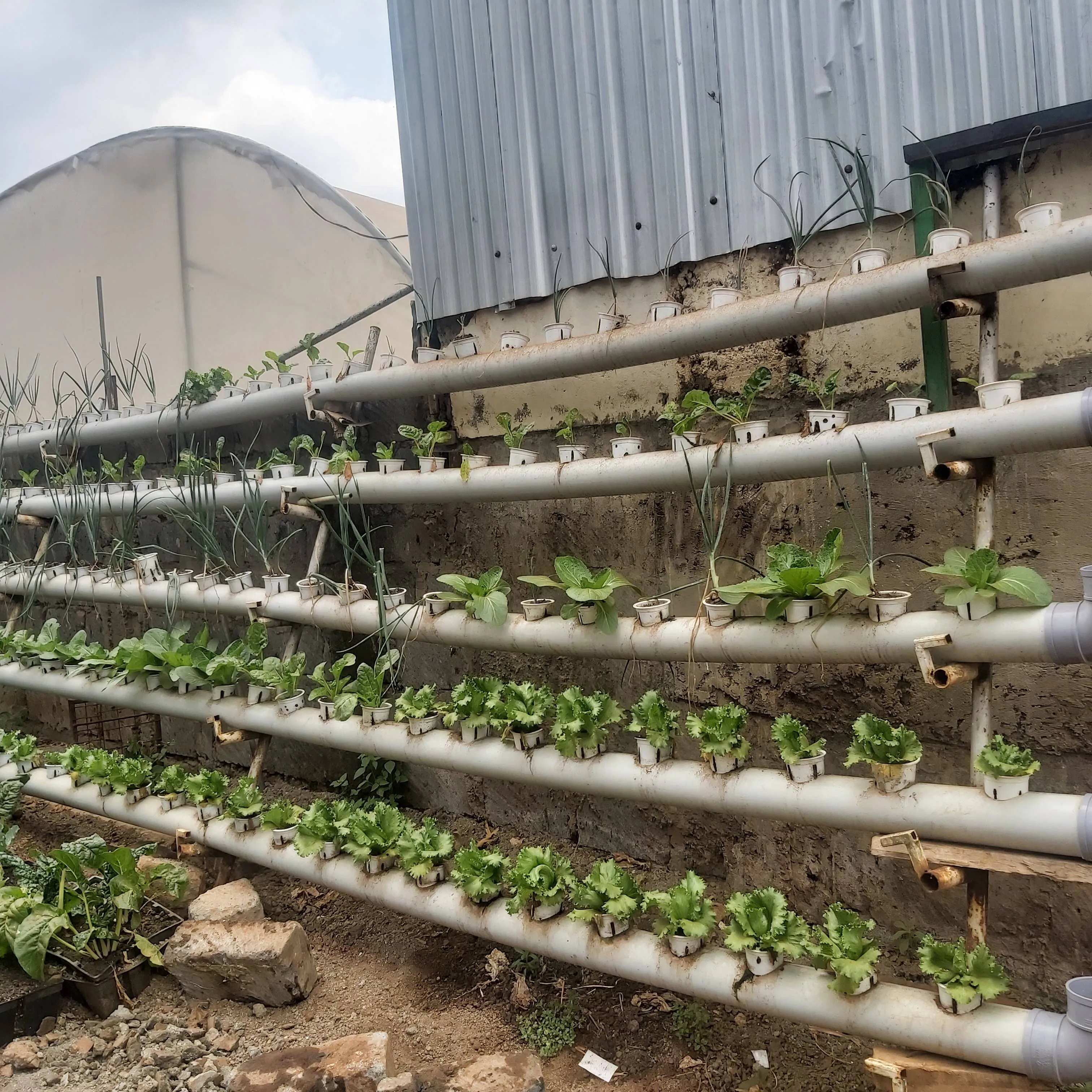
The GIZ-funded Water and Energy for Food (WE4F) programme supported improved food security and increased income of smallholder farmers through a more sustainable use of water and energy in food production in East Africa (Kenya Uganda, Ethiopia, Tanzania, Somalia, Rwanda, and Malawi). The initiative worked with existing and new promising innovations to support their next level of scaling (vertical and horizontal) in the water, energy and food/agriculture nexus, including contributing to the generation of knowledge and new methodologies.
NIRAS provided technical assistance to solve challenges related to food security and agricultural production in terms of increasing resilience against climate change impacts and ensuring an efficient use of energy and water resources to produce, process, store and distribute food. NIRAS implemented four work packages including preparation and managing innovation calls for SME innovators, strengthening of business capacities of SME innovators, supporting SME innovators for access to finance and scaling-up of innovative solutions, and impact assessment of SMEs' innovations.
The NIRAS-Intellecap consortium managed a results-based financing fund that invested €10 million in 15 SME innovators across six East African countries, directly benefitting nearly 100,000 smallholder farmers and end-users through climate-adapted, energy- and water-efficient WE4F innovations.
Building capacity in nutrition-sensitive agriculture systems
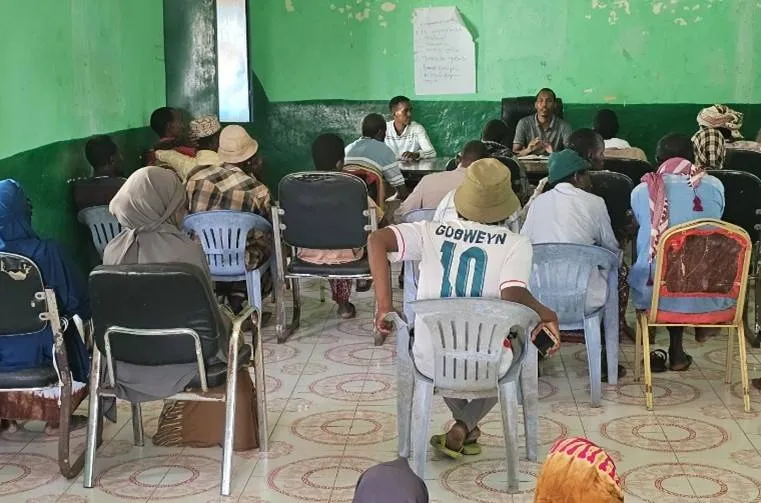
Through the GIZ Promoting Climate Resilience in Food Security in Jubaland project, NIRAS provides consulting services to strengthen capacities in nutrition-sensitive and climate-smart agriculture in Kismayo, Somalia. The initiative aims to boost resilience among crisis-affected communities by supporting the production of nutritious foods in an area facing multiple climatic and environmental hazards, including drought and soil salinisation.
To improve access to nutrient-rich foods, the project promotes production methods rooted in conservation agriculture and improved post-harvest handling practices. In Jubaland, Somalia’s southernmost federal member state, limited water availability—exacerbated by drought and high levels of water and soil salinity—poses a major challenge for agricultural production. To address this, the project designs and oversees the construction of a tailored irrigation system. The project also focuses on strengthening the capacities of households, lead farmers, and government extension workers to improve agricultural productivity. Particular emphasis is placed on empowering vulnerable groups, especially internally displaced people, to enhance their livelihoods and ensure household nutrition security.