Climate Smart Agriculture & Irrigation Technologies
Advancing climate-smart and agroecological agriculture
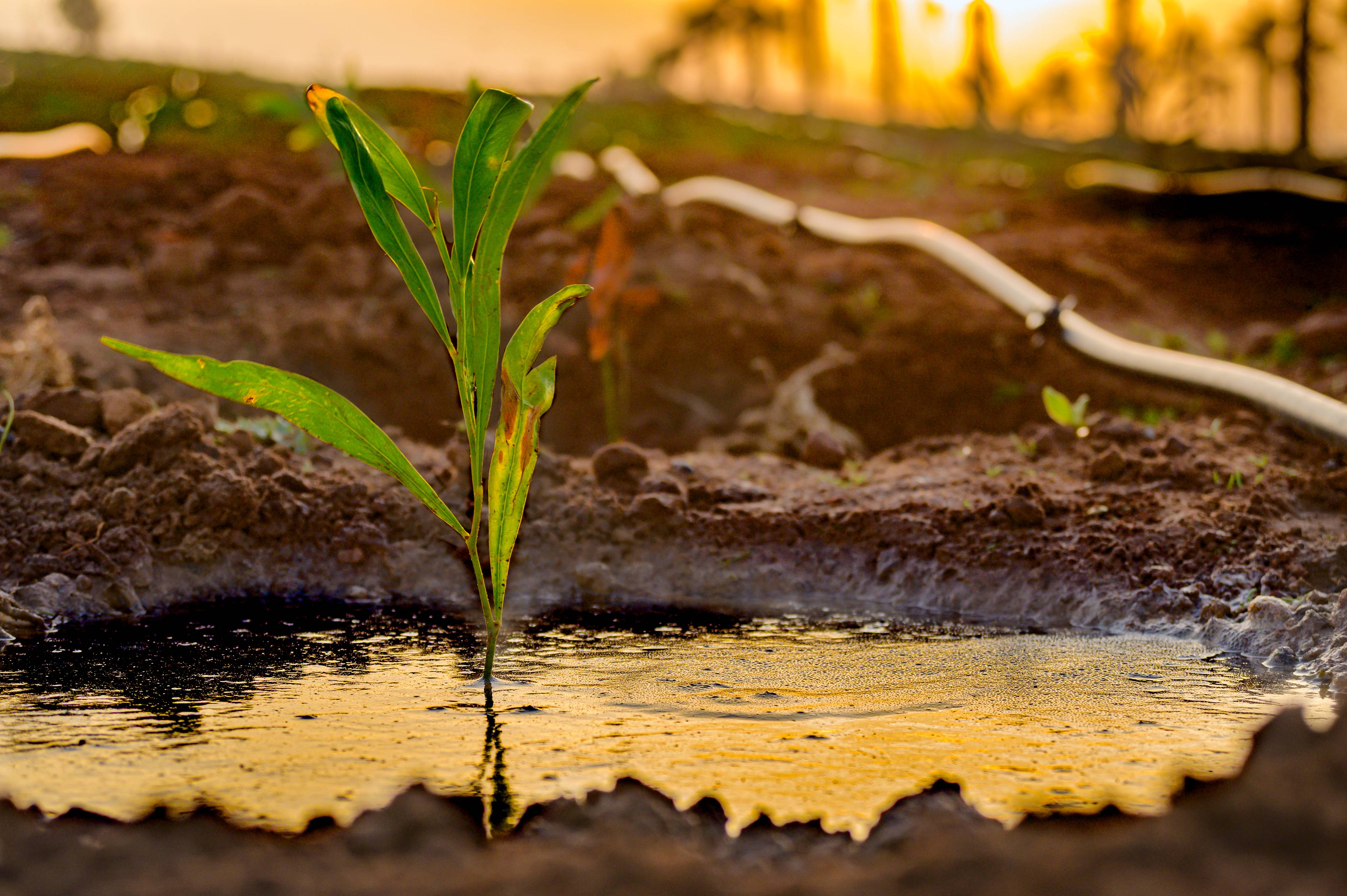
Climate change is affecting agricultural production worldwide, with smallholder farmers particularly vulnerable to its impacts. Climate-smart practices and resilient production systems are therefore critical to the future of food systems. NIRAS promotes agroecological approaches that strengthen plant, animal, and soil health while enhancing biodiversity and ecosystem resilience, ensuring the sustainable management of natural resources and the protection of the environment.
The growing impacts of climate change, combined with increasing competition for water resources across sectors, highlight the need for climate-smart water management in agriculture. Integrating agroecological practices that improve soil structure and water-holding capacity with climate-smart water solutions—such as water harvesting, efficient irrigation, and low-cost irrigation systems—can support sustainable agricultural production while mitigating climate risks. Irrigation plays a key role in drought resilience, enabling optimal crop growth and creating opportunities for multiple cropping systems.
At the same time, competition over natural resources can undermine climate-smart agriculture, particularly where water availability for irrigation is constrained. Applying a water–energy–agriculture nexus approach helps balance competing demands across sectors and unlock the potential for sustainable regional development.
NIRAS has extensive experience supporting sustainable agricultural systems, including agroecology and irrigation development.
Our specialist services:
- Providing expertise in agroecological and climate smart production technologies, including organic production, agroforestry, regenerative agriculture, no-till systems and integrated pest management;
- Agriculture innovation and digital solutions, including precision agriculture;
- Drafting and implementing policies, and regulatory/legal frameworks for agroecological production systems;
- Establishing governmental and private extension systems for agroecological production;
- Stimulating national and global markets for organic and agroecological products;
- Designing and producing costed climate smart irrigation master plans;
- Providing project design engineering studies, procurement advisory, and supervision of works for irrigation and rural water management infrastructure;
- Capacity building to agencies, service providers, water users associations and farmers on the design, installation, and management of irrigation schemes;
- Developing financing mechanisms for climate smart technologies and irrigation;
- Implementing water-energy-agriculture NEXUS approaches.
For more information on our wider ‘water for development’ services please refer here
Highlighted projects
Supporting Morocco’s ecological transition in agriculture and forestry
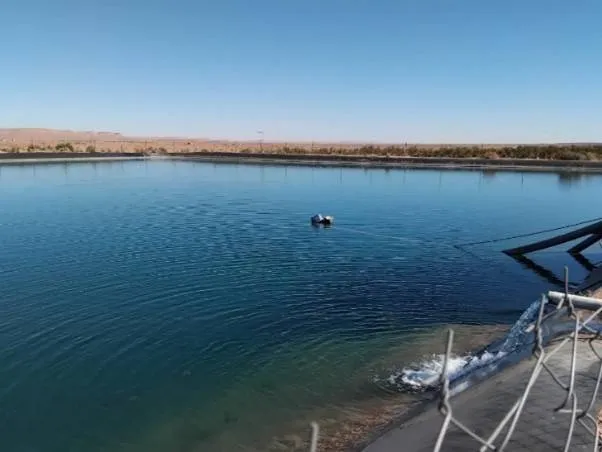
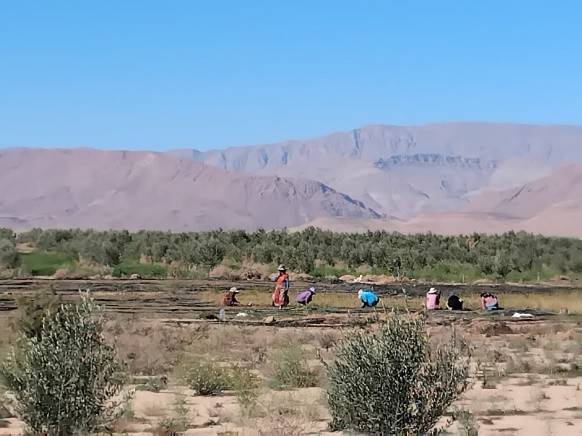
The AL ARD AL KHADRAA –Terre Verte programme operates within the framework of the EU–Morocco Green Partnership, supporting climate change mitigation, environmental protection, renewable energy, and the development of a green economy. The initiative contributes to the implementation of Morocco’s Generation Green and Forests 2020–2030strategies, promoting ecological transition and sustainable employment in the agriculture and forestry sectors.
The programme delivers support through four key instruments: budget support, research, development and training grants, forest twinning, and technical assistance. In partnership with the Ministry of Agriculture, Maritime Fisheries, Rural Development, Water and Forests (MAPMDREF), NIRAS—together with GOPA-AFC, AFCi, and ONFI—is implementing two technical assistance projects under the Terre Verte programme. These projects focus on advancing sustainable agriculture and forestry in the regions of Tanger-Tétouan-Al Hoceima, Oriental,Béni Mellal-Khénifra, and Drâa-Tafilalet over the period 2025–2027.
The technical assistance for ecological transition in the agriculture sector aims to:
- Strengthen sustainable agricultural advisory services, technical production practices, and awareness of efficient water management
- Identify market opportunities that support ecological transition, including the promotion of organic agriculture and green entrepreneurship
- Improve monitoring and analysis of data related to employment, gender equality and sustainable agricultural practices
- Promote and advocate for ecological transition across the agriculture and forestry sectors

Strengthening water management and expanding irrigation in Togo
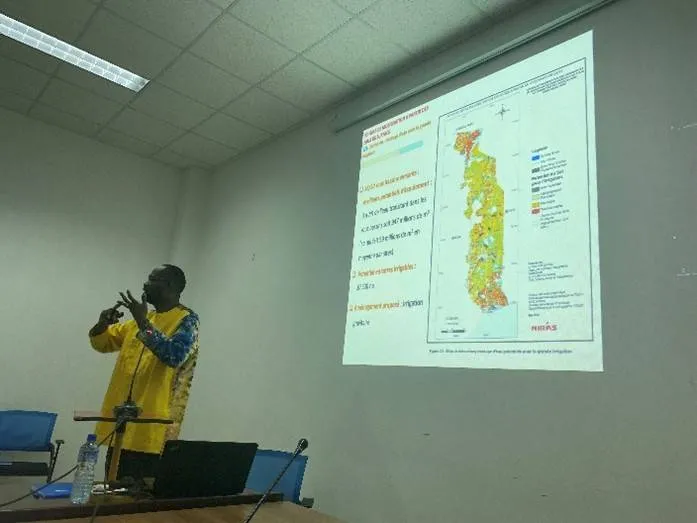
Under the EU Services for the Implementation of External Aid 2018 framework, NIRAS conducted studies and assessments of water resources in Togo to support the expansion of irrigated agriculture. Working closely with the Ministry of Agriculture, Livestock and Rural Development, as well as local communities and stakeholders, NIRAS developed a comprehensive Irrigation Master Plan—a costed investment planning tool covering short-, medium-, and long-term horizons through 2040.
The masterplan supported the development of Planned Agricultural Development Zones (ZAAP)and provides a roadmap for expanding irrigated agriculture while promoting social and economic inclusion through improved use of land, surface water, and groundwater resources. It also aimed to increase the production of staple crops for domestic consumption alongside high-value agricultural products for export.
The study assessed water resources across the country, including surface water sites in Togo’s three hydrographic basins and both sedimentary and basement groundwater formations. Based on these findings, an irrigation development and implementation strategy was prepared, identifying six pilot sites for priority investment. Procurement documentation was also developed to support the construction of irrigation infrastructure at these sites.