Livestock & Pastoral Systems
Developing competitive and resilient livestock value chains
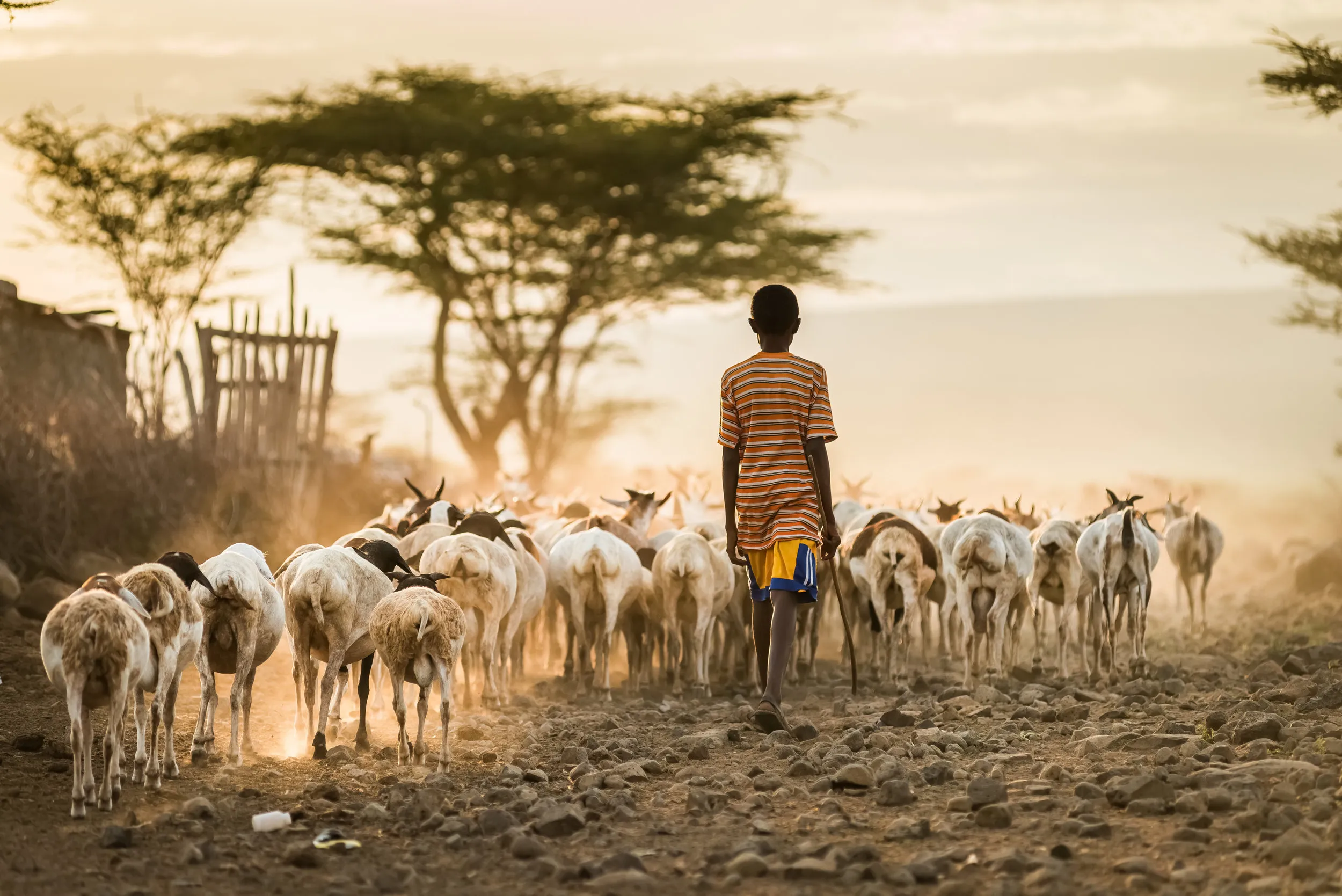
Livestock value chains in many emerging economies are fragmented, inefficient, and poorly competitive, often resulting in significant food losses. Critical infrastructure at key value chain nodes is frequently inadequate, with limited access to disease monitoring and control systems, livestock breeding centres, feedlots, certified slaughterhouses, cold storage, and processing facilities. The absence of certified livestock production and meat processing systems further restricts smallholders’ access to essential value chain services and higher-value markets. Smallholder farmers also face challenges in monitoring, preventing, and managing livestock diseases, as well as responding to food safety requirements. Weak regulatory frameworks and an unclear division of responsibilities between public and private actors in animal health service delivery further increase production risks and costs. In pastoralist regions, particularly in fragile contexts such as the Sahel, insecurity and climate change compound these challenges by limiting access to pasture, fodder, water sources, and livestock markets.
NIRAS’ experience shows that livestock—particularly dairy cattle, small ruminants, and poultry—play a multi-functional role in rural livelihoods. Beyond providing marketable products, they help mitigate crop failures, serve as a form of household savings, and provide essential sources of protein and nutrients, particularly for children during early development.
Our specialist services:
- Livestock policy reform and strategy implementation,
- Pasture management planning and supervision,
- Livestock value chain and supply chain management, with specialisation in both dairy and meat processing,
- Capacity development and establishment of extension services,
- Animal welfare and quality management,
- Conflict management between pastoralists and farming communities.
Highlighted projects
Building inclusive and climate-change-resilient communities through diversified agriculture and livestock production
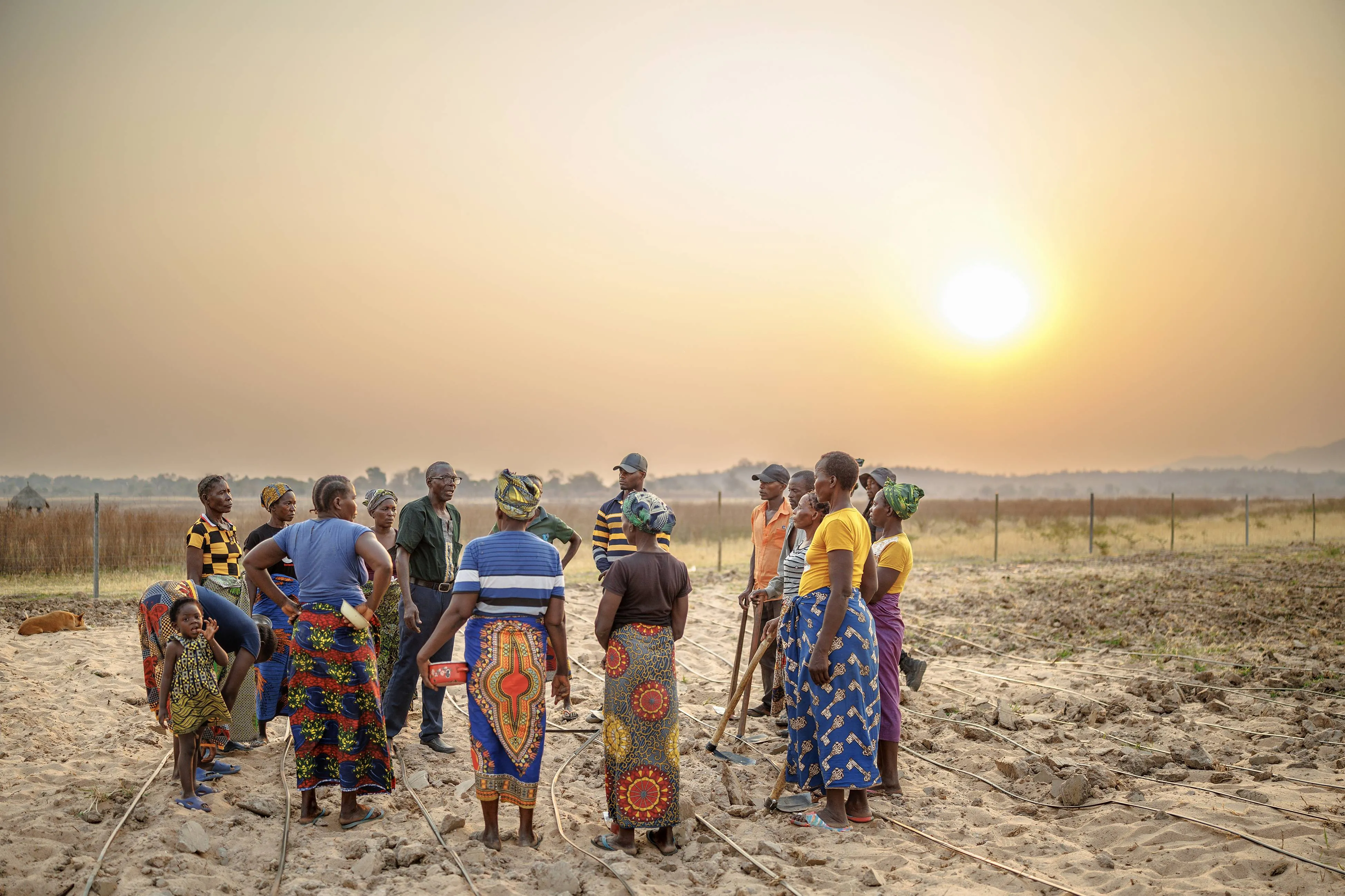
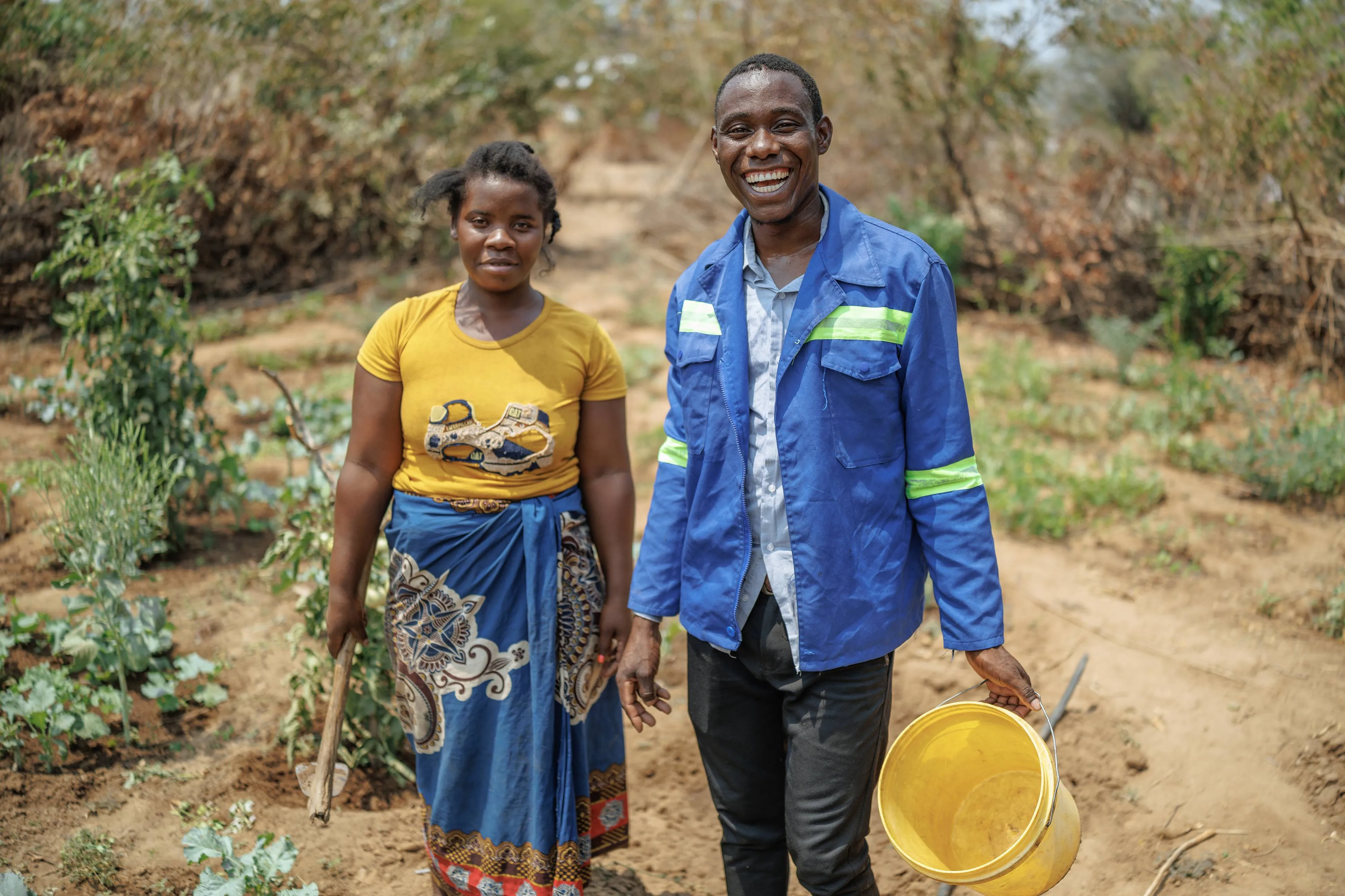
The Climate Just Communities (CJC) programme is a flagship initiative financed by the Scottish Government that aims to deliver climate justice interventions addressing inequalities exacerbated by climate change while strengthening community resilience to its social and economic impacts in Malawi, Rwanda, and Zambia. NIRAS serves as an implementing partner in Zambia.
More than 5,000 farmers have been trained through community-led farmer field schools in climate-resilient agriculture, livestock husbandry, and irrigated farming. The project also supports vulnerable households by strengthening their asset base through the distribution of small livestock—goats and chickens—accompanied by veterinary services and livestock management training. This support provides a reliable source of income and nutrition that is less vulnerable to climate-related crop failures. In addition, the programme promotes household vegetable gardens by distributing seeds and seedlings to over 700 farmers, who are then linked to markets through off-taker agreements for surplus produce.
The Climate Just Communities (CJC) programme is a flagship initiative funded by the Scottish Government that delivers climate justice interventions This intervention improves household nutrition while generating additional income.
The project has distributed over 9,000 livestock (goats and chickens) to over 2,500 vulnerable households and reached over 32,000 direct and almost 80,000 indirect beneficiaries.

Investing in sustainable infrastructure for pastoralist communities
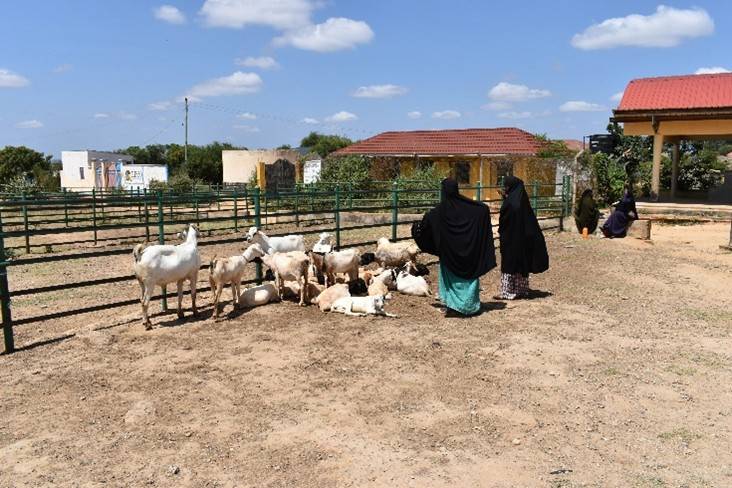
With financing from the German Development Bank KfW and implemented under the Intergovernmental Authority on Development (IGAD), the Regional Migration Fund (RMF) in the Horn of Africa prioritised investments in the livestock sector to strengthen community resilience and promote sustainable livelihoods. Key infrastructure investments focussed on improving access to reliable water for both people and livestock, including the construction of boreholes and the development of water resources. These efforts were complemented by capacity building and technical support to ensure communities can effectively manage and maintain water infrastructure.
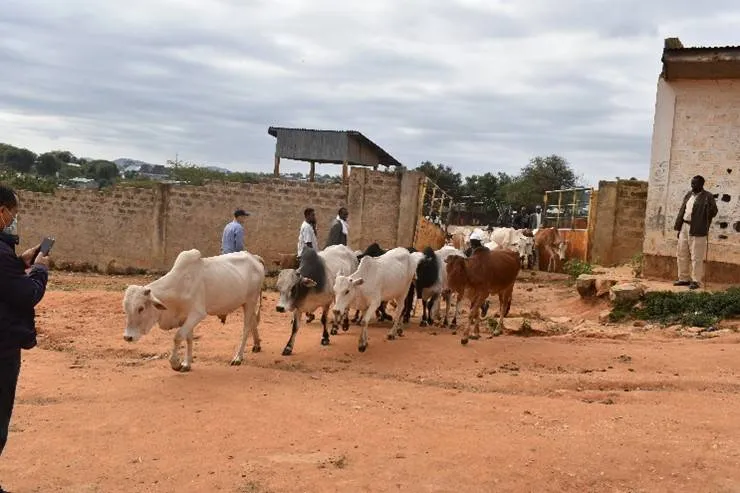
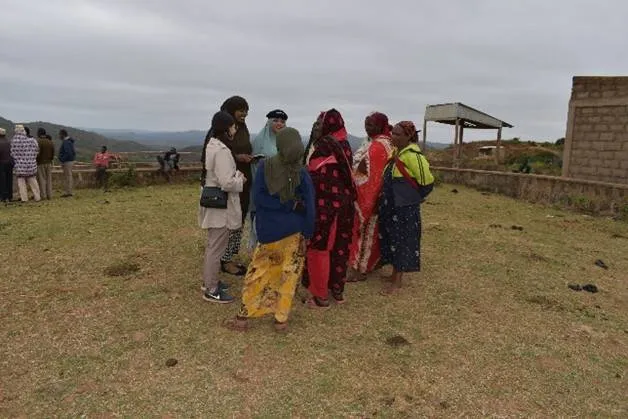
Additional livestock-focused interventions included establishing and upgrading livestock markets and trading sites, as well as improving transport and logistics systems to enable the safe and efficient movement of animals. Training programmes supported environmental sustainability, market operations, and infrastructure maintenance, helping communities adopt best practices and expand economic opportunities in livestock trading. The programme also promoted social cohesion and community development within livestock-rearing communities, strengthening collaboration and supporting long-term sector growth. NIRAS coordinated the implementation of these activities, guiding stakeholders, managing operations, and ensuring that cross-cutting priorities—such as environmental sustainability, gender inclusion, and capacity development—were integrated throughout the project.