Economic Development

Private Sector Development, Trade & Financial Inclusion
NIRAS uses digitalisation to accelerate private sector development, trade and inclusive economic growth.
What digitalisation can achieve
Digital technologies and digital connectivity are a key driver of private-sector economic growth in low and middle income countries. Digitally-enabled trade such as e-commerce platforms and enhanced customs processes create new and stronger links between businesses and consumers. Digital financial services are having a profound impact on financial inclusion for micro and small enterprises, providing opportunities for investment and growth. In addition, digital technologies can significantly reduce the regulatory burden for micro and small enterprises, improving business efficiency and building the formalisation of the private sector.
Services we offer
- Digitally-enabled trade for inclusive private sector development, technical assistance to both governments (customs processes) and businesses (e-commerce)
- Digital financial services, design and uptake strategies for optimising impact and inclusion (mobile banking, digital banking, loan products)
- Digital economy regulation, technical assistance to governments and policy-makers
- Digital innovation systems that support enabled entrepreneurship, especially through incubation, acceleration and investment in digital technology, start-ups and innovation
- Digital-first business models, tailored support to private sector businesses enhancing the efficient delivery and accessibility of their services and products
- Supporting DFIs and donor investors in the investment in digitalisation infrastructure and businesses, ecosystem mapping. Assisting in leveraging private sector investing.
- Digitalisation of government processes to support private sector development and formalisation of MSMEs (e.g. SME registration, export processes, tax collection)
- Digital market ecosystem assessments of national actors, policies and practices in order to inform future programme interventions in developing countries.
Examples from our work

Southern Africa Innovation Support Programme (SAIS2)

Commercial Agriculture For Smallholders and Agribusiness (CASA) Programme in Nepal

MasterCard Foundation ‘Savings at the Frontier’ (SatF) programme


Education, Skills & Employment
Through our education, skills and employment digital work we support governments through, e.g., national employment agencies, private companies, civil society organisations, workers, technical vocational and education training (TVET) schools and their trainers to prosper in Industry 4.0.
What digitalisation can achieve
Digital technologies are creating seismic changes across industries and the world of work, transforming established sectors and creating new digital economies that did not exist before. In the next decade, 90% of all jobs will require digital skills. Education, skills and employment play a pivotal role in helping workers update their skills to meet the changes in market demand. Digital technologies also offer important opportunities for enhancing the quality and reach of, for example. technical and vocational educational training (TVET) through e-learning platforms and using online data to understand market demands. In particular teachers for primary, secondary and tertiary education and leaders need to carefully develop tailored solutions that suit the needs of trainees and address the challenges of the digital divide.
Services we offer
- Supporting school providers to develop inclusive curriculums suited to the new digital economy and understanding current private sector demand;
- Supporting teachers and trainers to enhance their digital competencies and pedagogical approaches using digital technologies;
- Development of labour market information systems using cutting-edge technologies;
- National education and training reform processes and reforming TVET systems to align with national digital skills needs;
- Working with private sector companies to articulate their companies’ digital skills labour needs, recruitment strategies and in-company digital-skills training for trainees and employees;
- Establishing business technology innovation centres and incubators;
- Tech-enabled marketing strategies for TVET and education; and
- Establishing modern online-based competence assessment tools for better matching of trainees/students into jobs and supporting digital solutions for career guidance and counselling services.
Examples from our work
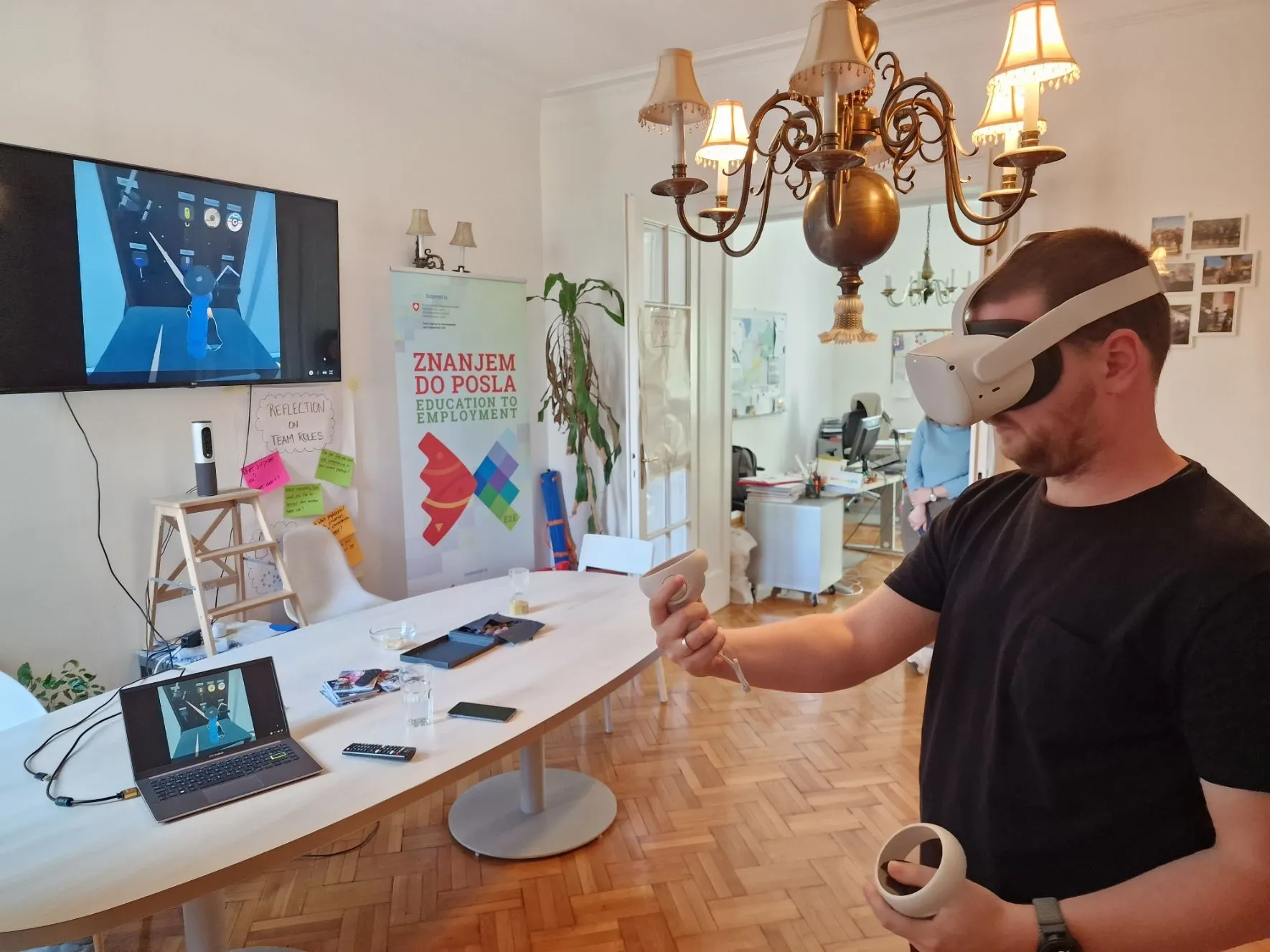
From Education to Employment

Sida’s intranet-based toolbox for application of a Human Rights-Based Approach
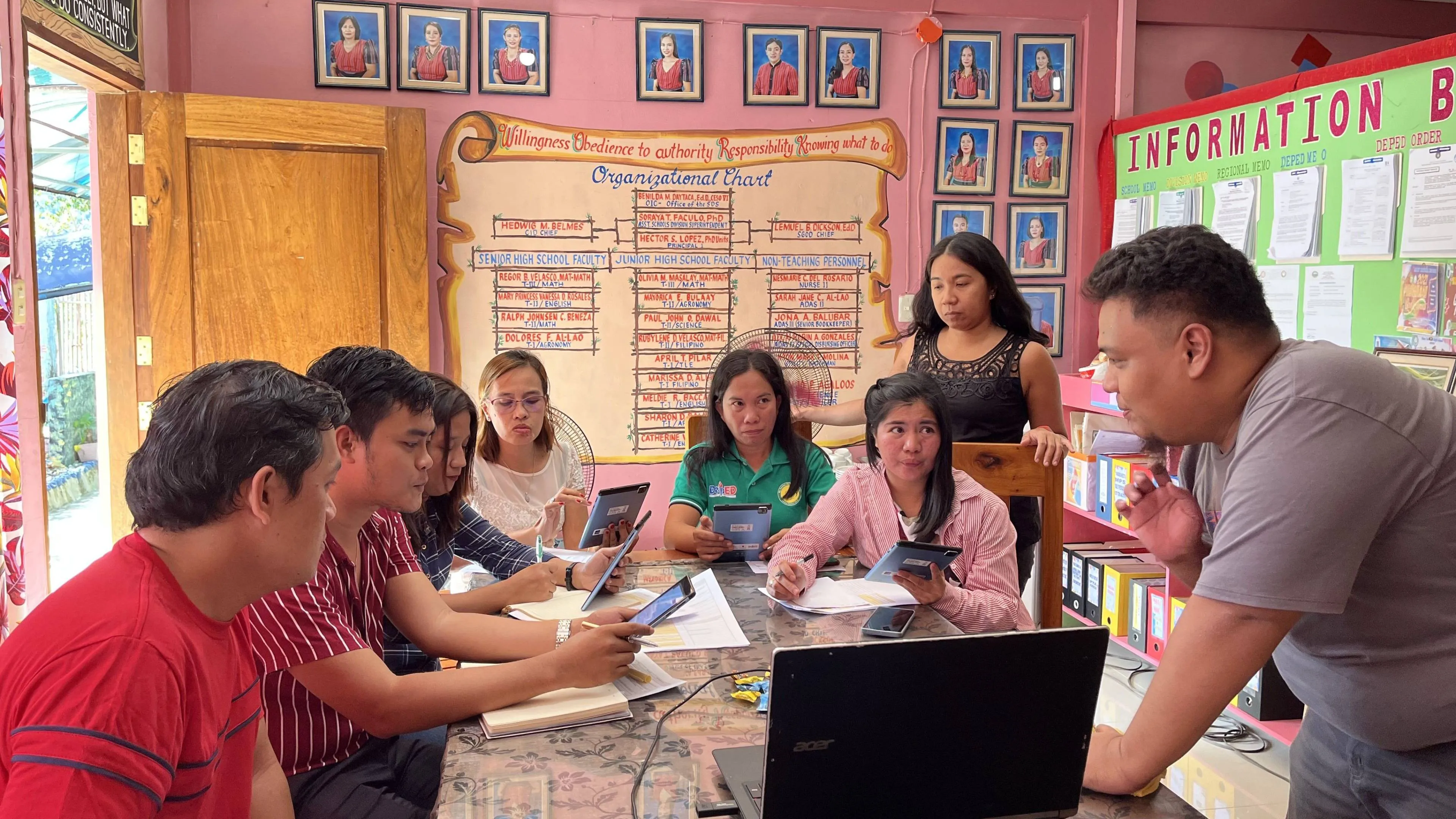
EdTech Solutions for Last Mile Schools during COVID-19