Sustainable Infrastructure
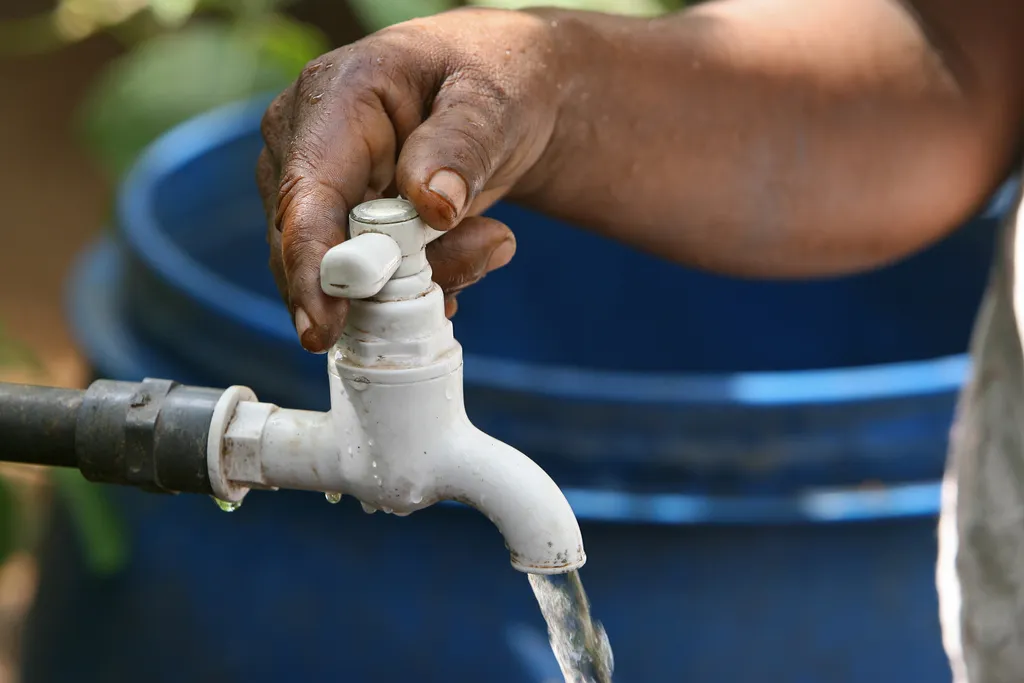
Water Access & Sanitation
NIRAS has extensive experience supporting water utilities and institutions in defining and implementing their digitalisation roadmaps in a wide range of country contexts across the globe.
What digitalisation can achieve
Digital solutions in the water sector are transforming how utilities manage their water and sanitation assets and deliver their services to customers. Sensors installed on the network and installations, connected to the internet (aka internet-of-things - IoT) provide real-time information allowing utilities to detect and address anomalies such as water leaks or sewage overflows much earlier. This information is further used and processed to monitor and optimise their operational performance faster and better than before. Digital technologies like cloud-based enterprise resource planning (ERP) platforms allow for remote control of systems and processes. Digital data systems designed for regulatory reporting improve the overall governance of water utilities and resources. Customer metering combined with mobile payments, billing automation and customer engagement platforms can transform customer interaction. Despite the opportunities, the full benefits of digitalisation are yet to be fully utilised, key constraints can include staff ICT capacities, customer resistance to smart meters and the costs of digital systems if not used appropriately. With increasing pressure on water resources from climate change and rapid urbanisation, overcoming these constraints is crucial.
Services we offer
- Developing tailored digital strategies for water utilities in low and middle-income country contexts, from selecting technologies to managing technical operations, customer engagement, cost estimation, staff capacity and regulatory compliance;
- Developing resilient and interlinked digital systems for water utilities (e.g. linking smart meter reading with ERP platforms, billing and customer engagement) that allow for real-time monitoring of operational conditions, demand management and automation;
- Monitoring of utility system performance using sensors and IoT, allowing for leak and fraud detection;
- Development of ‘digital twins’ through advanced modelling and monitoring applications (smart water systems), allowing for remote management and optimisation of network infrastructures in real-time;
- Smart metering for automated household / business meter reading, improving billing efficiencies;
- Digital pay-as-you-go services, connecting customers to utility providers and improving financial sustainability of utilities;
- Enhancing customer engagement through mobile phone-based communication, allowing for two-way communication between customers and utility providers;
- Integrated water resource management and hydrological studies using advanced digital technologies; and
- Digitalisation training and capacity building.
Examples from our work
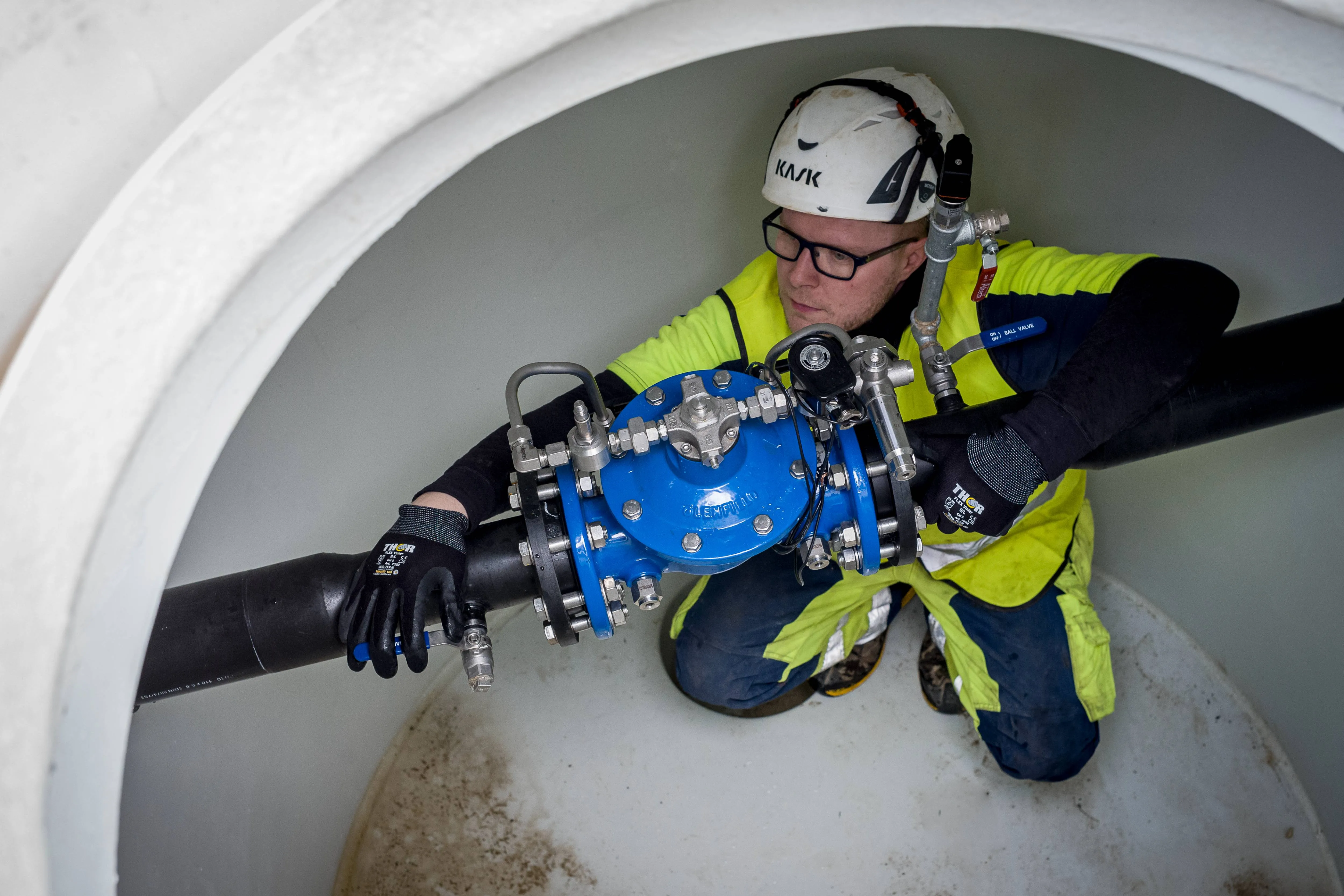
LEAKman digital platform
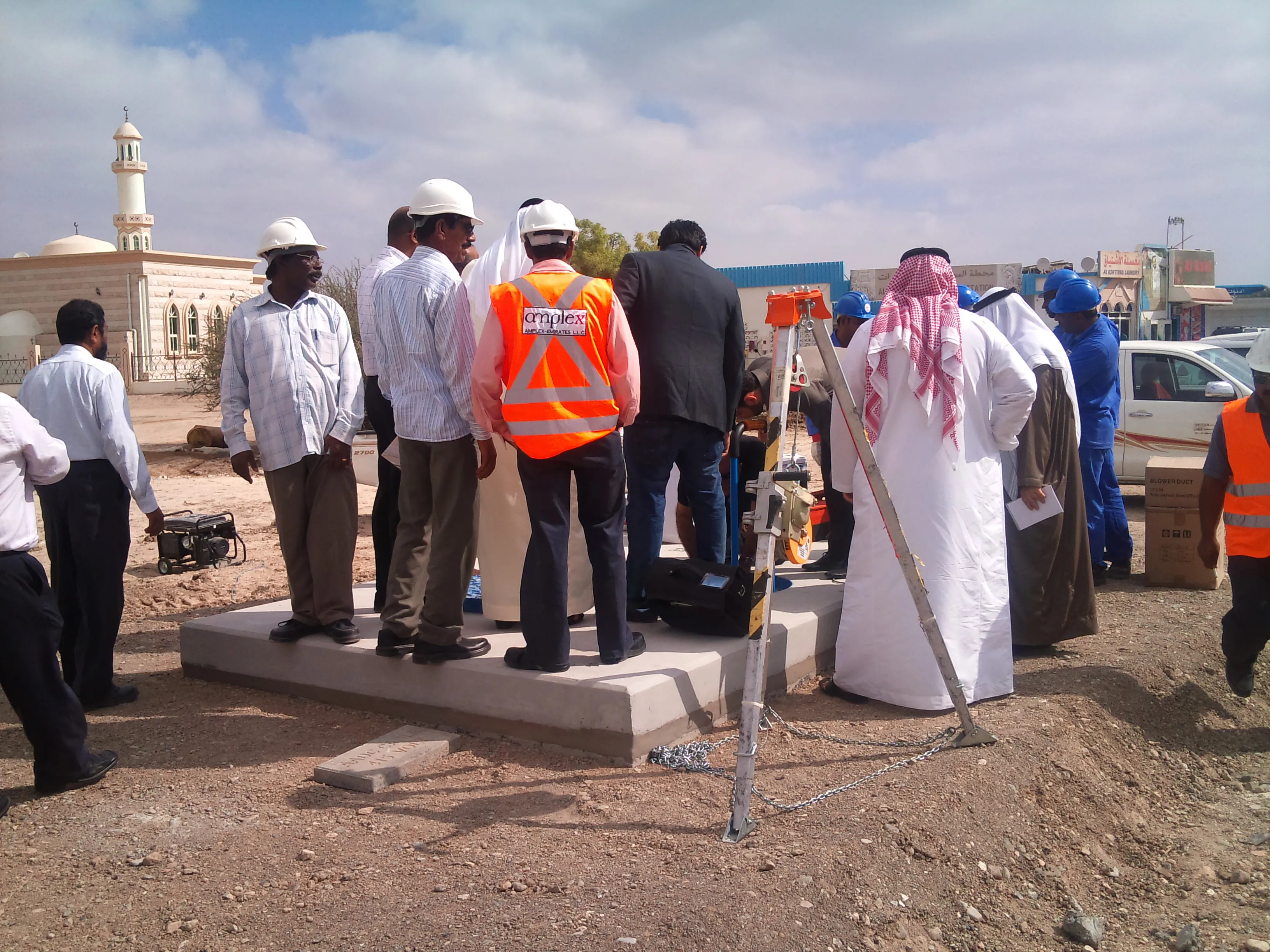
Non-revenue water management information system

Sustainable Energy
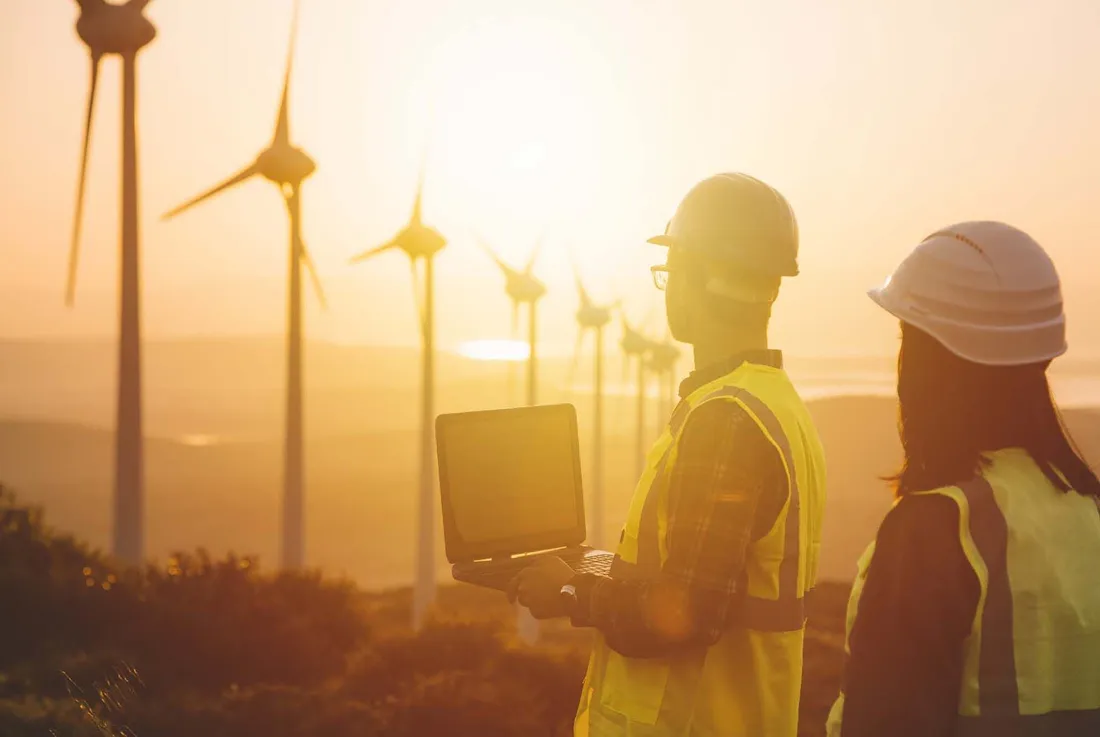
NIRAS uses digitalisation to make energy systems more sustainable, connected, efficient and accessible for all. We have over 200 in-house energy specialists and have worked in over 20 countries.
What digitalisation can achieve
Digitalisation is making energy systems across the world more sustainable, connected, efficient and accessible for all. Digitalisation will play a key role in decarbonising global energy systems and reducing the energy-poverty crisis currently experienced by over half the world’s population. The transition to renewable energy depends heavily on digital technologies to connect decentralised grids and manage both energy demand and supply. Weather and market demand data can be used to optimise renewable energy production and renewable power grids can be better managed using internet-connected sensors and ‘digital twins’, supporting real-time decision making. Digital technologies can also optimise the energy used by buildings and industry. Data gathered through sensors and smart meters can detect energy usage and the factors that drive it, like climate. This data can be used to send alerts to consumers or automate usage through AI.
Services we offer
- Digital solutions for renewable energy from connecting producers, to optimising energy production and supply
- Energy efficiency and optimisation in buildings and industrial environments using digital sensors, data analytics and automation
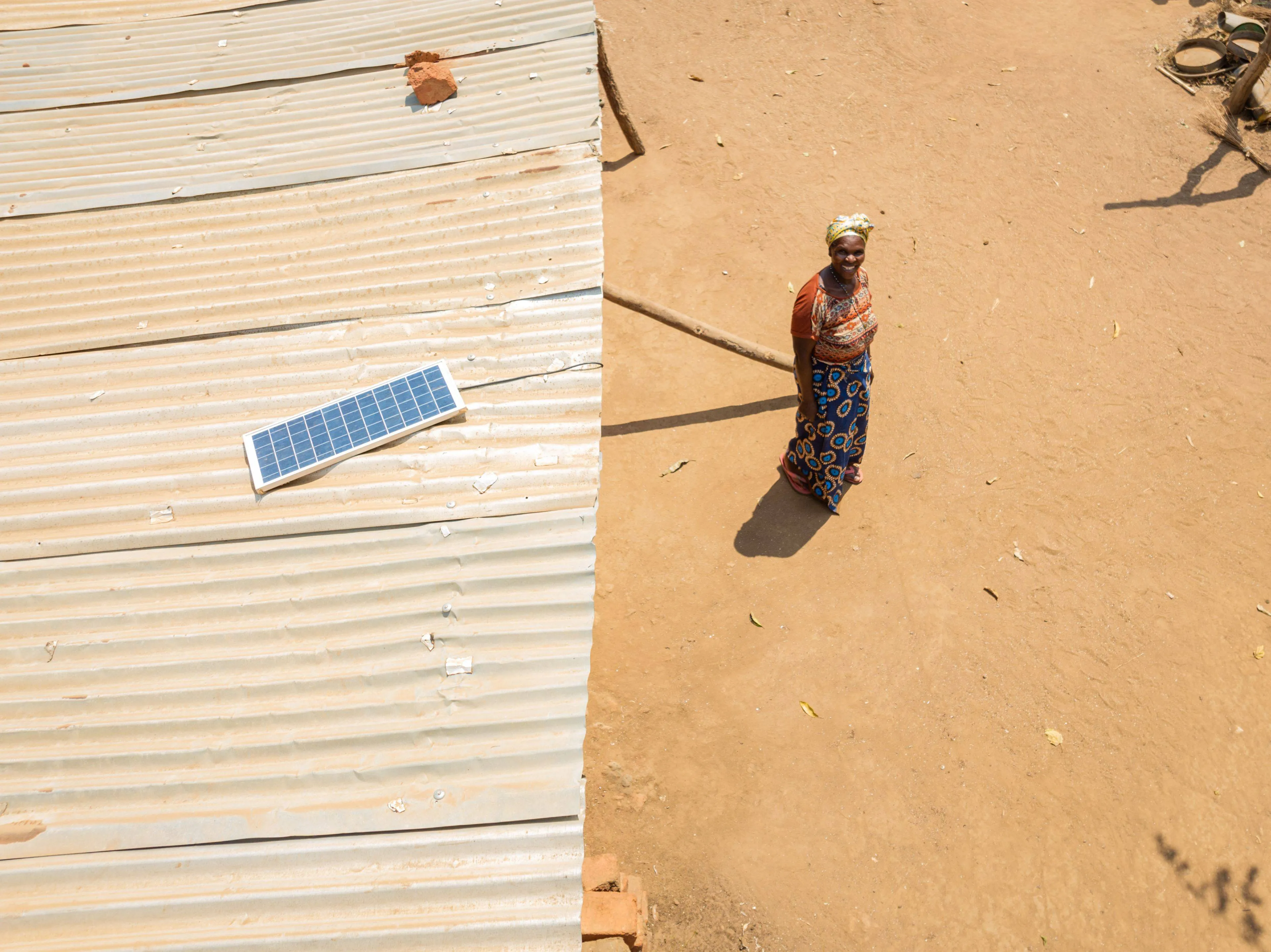
- Improving off-grid access business models through for example solar panels and mobile-money platforms
- Energy finance strategies for funding digital innovation in the sector
- Digital capacity building and institutional strengthening within the energy sector
- Policy and regulatory framework development allowing for enabling environment for digitalisation and digital solutions
- Developing innovative digital-based business models e.g. pay-as-you-go models customers to use solar panels, battery storage or clean cookstoves
Examples from our work
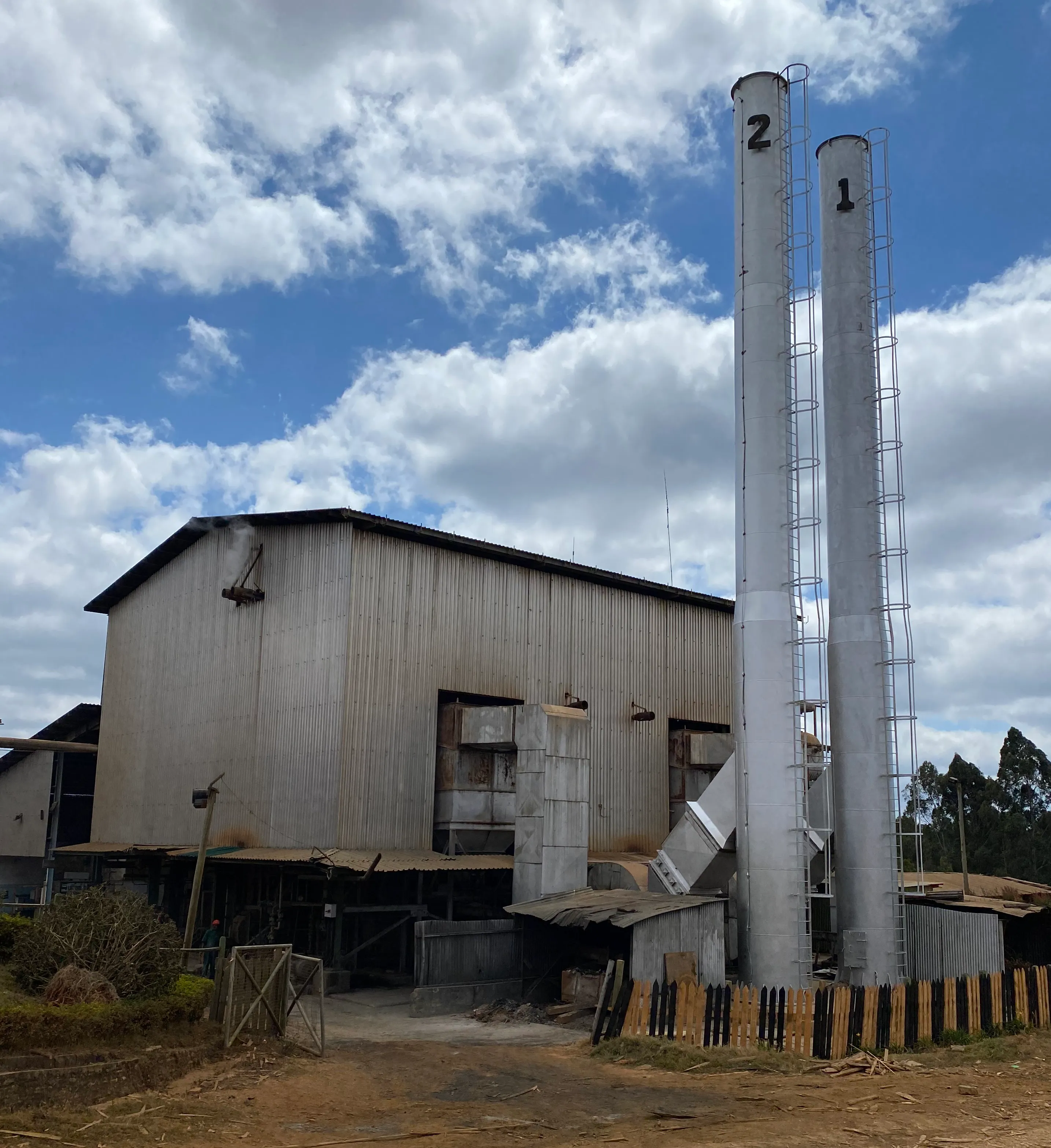
Bioenergy for Sustainable Local Energy Services and Energy Access in Africa - Phase 2 (BSEAA2)
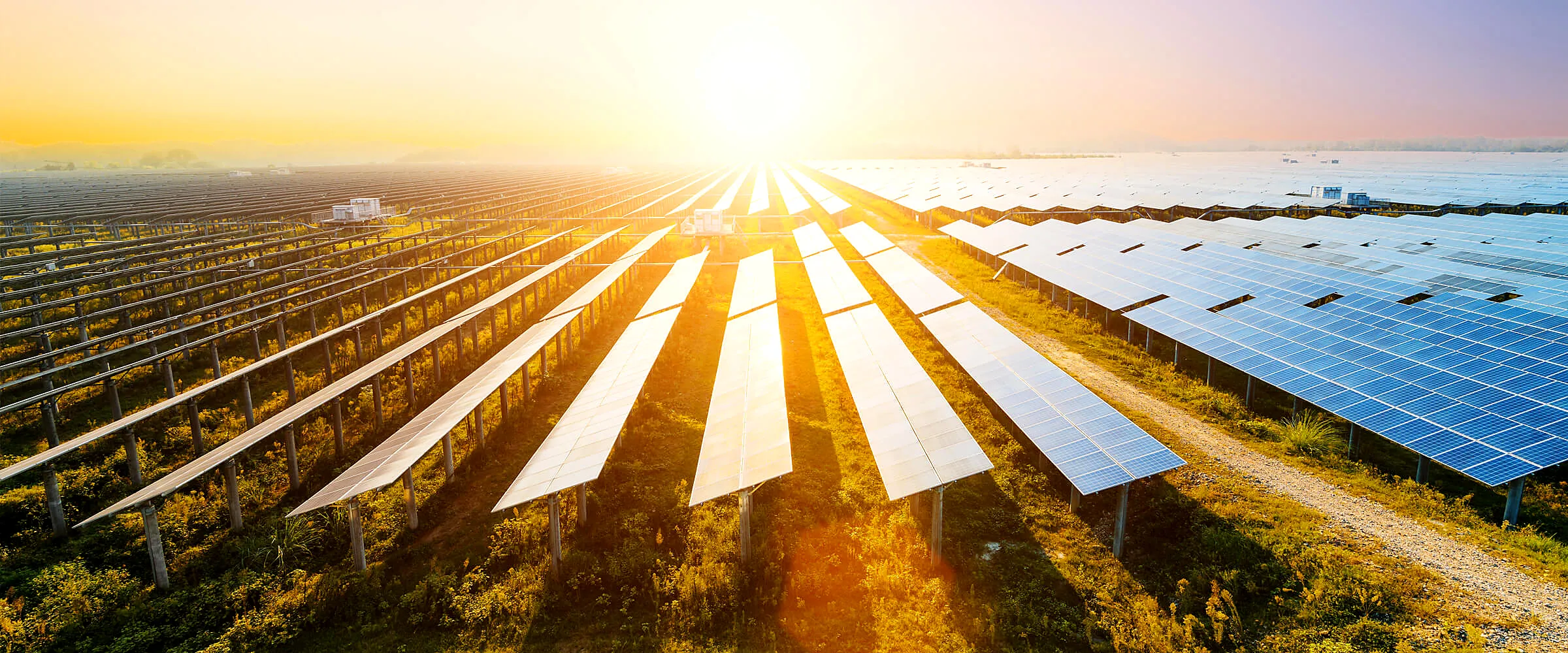
Renewable Energies Programme (PEERR)
Energy Enterprise Coach (EEC)