Governance & Democracy

Peace & Stability
NIRAS has over 20 years of experience contributing to the prevention, resolution and mediation of conflicts and building of stability, resilience and long-lasting peace in fragile, conflict-affected contexts. Over this time we have fully embraced the evolving opportunities that digital technologies offer for enhancing our peace and stability work.
What digitalisation can achieve
Digital technologies provide crucial opportunities for gathering data and insights in difficult-to-reach conflict contexts, and provide information for real-time peacebuilding strategies and crisis mapping. Decentralised online digital platforms and communication tools, such as social media and messaging applications, can be used as a transformative force for engaging, connecting and ultimately mobilising collective action. While digital technologies can be used as a powerful force for good, misused they can pose high risks to peace and stability (e.g. through censorship, surveillance, radicalisation).
Services we offer
- Using digital solutions and data sources to identify and map risks to livelihoods and other causes of conflict, conduct conflict sensitivity analyses and collect and analyse citizens’ perceptions of risk and conflict, including crowdsourcing;
- Developing customised and secure web-based platforms for sharing information with project stakeholders;
- Creating strategies for promoting peace through digital communication, online civic participation and networking tools (social media, digital storytelling, peace messaging, dialogue platforms);
- Developing robust approaches on using digital data and solutions in a secure, ethical and inclusive way that follows our principle of “Do no harm”;
- Combining traditional analogue and digital tools, contextualised to local realities;
- Deploying cutting-edge frontier technologies and ‘big data’ for data gathering and processing, e.g. mobile-phones, AI, satellite data and drones; and
- Using digital data and tools for monitoring, evaluation and learning of peacebuilding interventions within difficult-to-reach conflict contexts.
Examples from our work
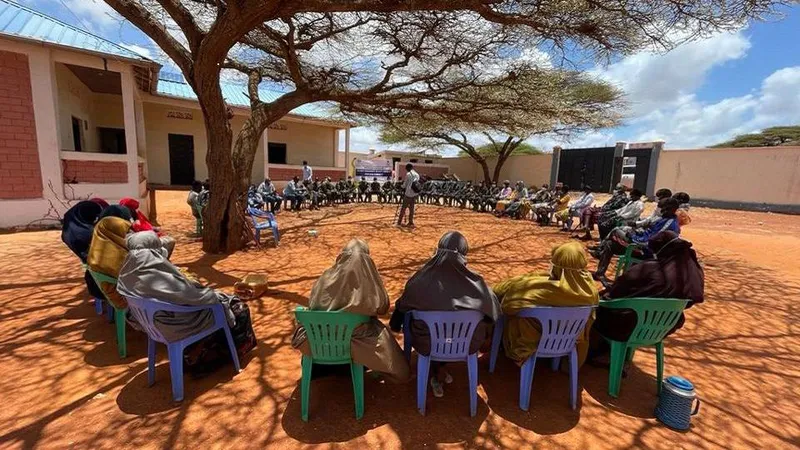
Conflict, Stability and Security Fund (CSSF)

EU4SmallFarms
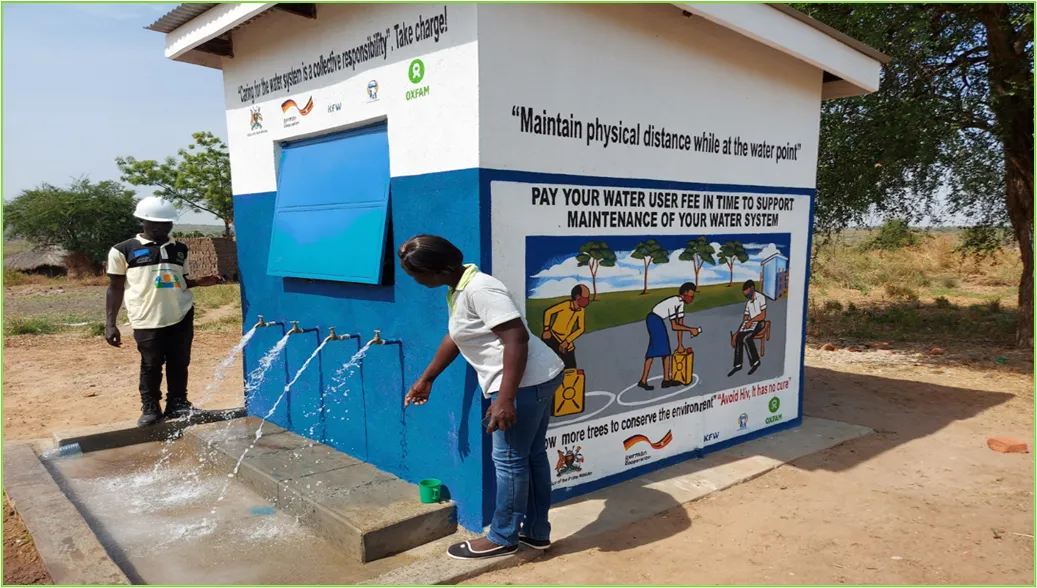
Refugee Response Fund in Uganda



Gender Equality & Human Rights
Through our digitalisation advisory capabilities, NIRAS accelerates gender equality, women’s empowerment and human rights. We are able to identify the drivers of the digital gender divide and support inclusive digital transformation.
What digitalisation can achieve
Digitalisation provides immense opportunities for the advancement of women’s empowerment, gender equality and human-rights. Technology has re-shaped how people access and share information, providing new opportunities for empowering people and building human-rights. For example, digital technologies can provide new opportunities for women to earn additional income, access financial services, cope with emergencies and tackle gender-based violence. Significant barriers such as social norms and digital literacy, however, need to be addressed before women can fully benefit from the digital transformation, especially in the Global South. When misused, digitalisation poses risks that threaten to reverse and entrench gender inequality and human-rights abuses. Digitalisation can be used to suppress and violate human rights, through online harassment and state surveillance.
Services we offer
- Tailored strategies for closing the digital gender divide (at work and in education and public service delivery) drawing from our gender-responsive participatory approaches;
- Understanding the risks of digitalisation for human rights and gender equality, and developing strategies to avoid and reduce the risks;
- Advancement of women and girls in innovation, technology and entrepreneurship (promoting women as innovators and entrepreneurs);
- Promotion of women in STEM and digital technology training;
- Development of regulatory frameworks for technologies that promote gender equality and human rights;
- Collection and analysis of gender-sensitive data to inform policy decisions and evaluation;
- Ethical frameworks for AI gender equality and human rights; and
- Digital literacy training and tailored e-learning for women and girls.
Examples from our work

Digital Access Programme

Improving the Quality of Data and Strengthening Policy Making in North Macedonia

UK Research and Innovation Fund’s Joint Fund for Poverty Alleviation Programme

Governance & Democracy
NIRAS offers our clients advisory services to harness the full potential of digitalisation to strengthen the performance of government, public institutions and wider democracy.
What digitalisation can achieve
Digitalisation has huge potential to transform the transparency, accountability and efficiency of governance systems and wider democracy. The digitalisation of government services and processes (e-government) can improve service delivery efficiency and reduce corruption. Digital platforms and digitalisation generally offer new ways for citizens, the independent media and civil society to engage with democratic processes, decision-making and hold government institutions to account.
Services we offer
- Enhancing opportunities through digitalisation for non-state actors (civil society, independent media, and communities) and citizens to express their views, take part in decision-making processes (deliberative democracy) and hold public institutions accountable;
- Advisory for e-government and digital government initiatives, improving the accountable provision of government services and business access to government through digitalisation;
- Identifying the risks of digitalisation (e.g. cybersecurity, disinformation, surveillance) to democracy and mitigation strategies;
- Specialist services for improving public financial management, as part of our wider e-government capabilities and supporting engagement of citizens and local communities;
- Digitalisation processes and technologies tailored to boost decentralisation and local governance effectiveness and accountability;
- Development of online tools for procurement to increase the transparency and time-efficiency of processes and decrease corruption risks;
- Development and implementation of customised and interactive Online trainings and workshops for civil society actors as an inclusive education and knowledge exchange form; and
- Development of Apps, e.g. for GPS markings, and direct feedback options from citizens to the municipality.
Examples from our work
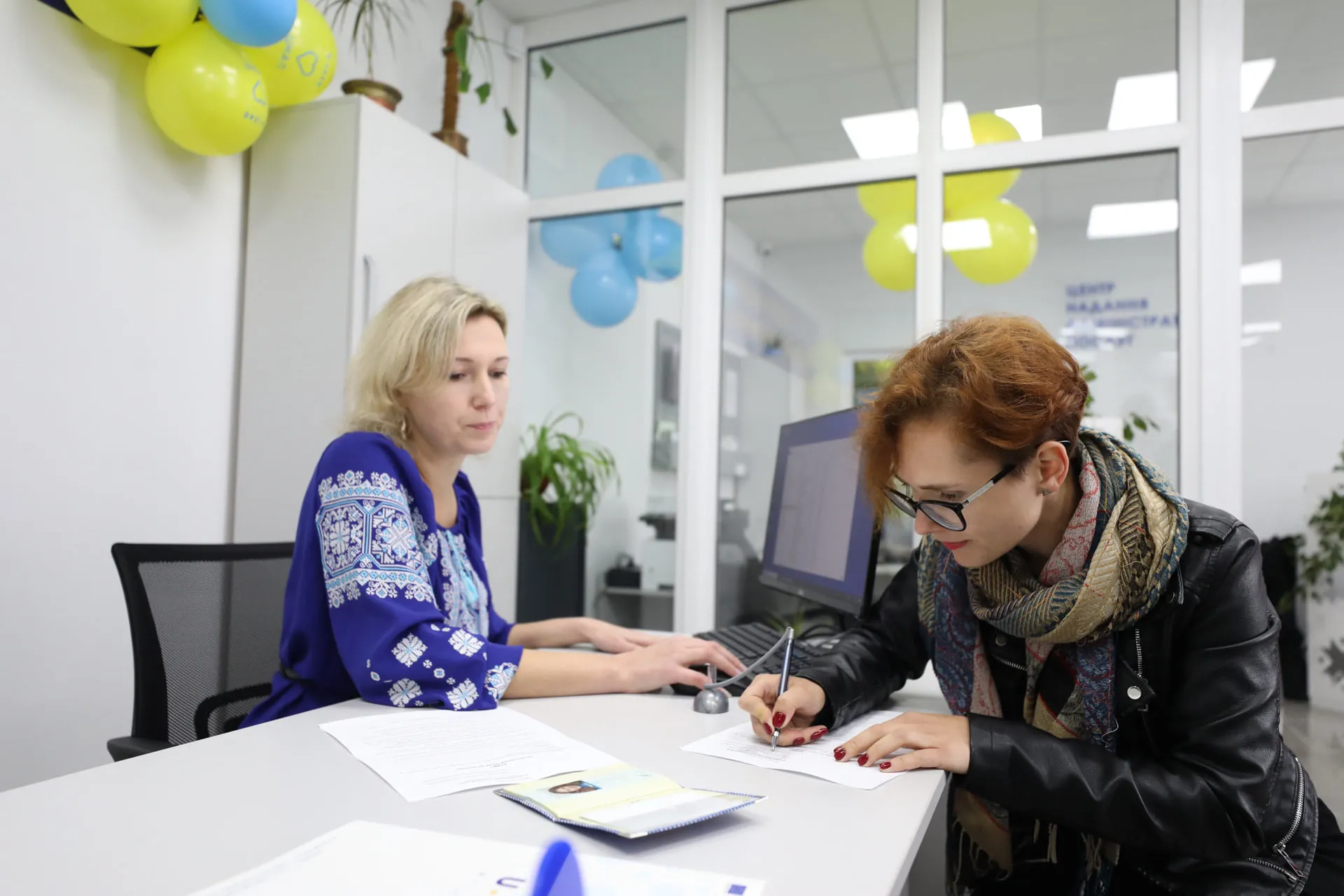
Ukraine Local Empowerment Accountability and Development programme (U-LEAD)
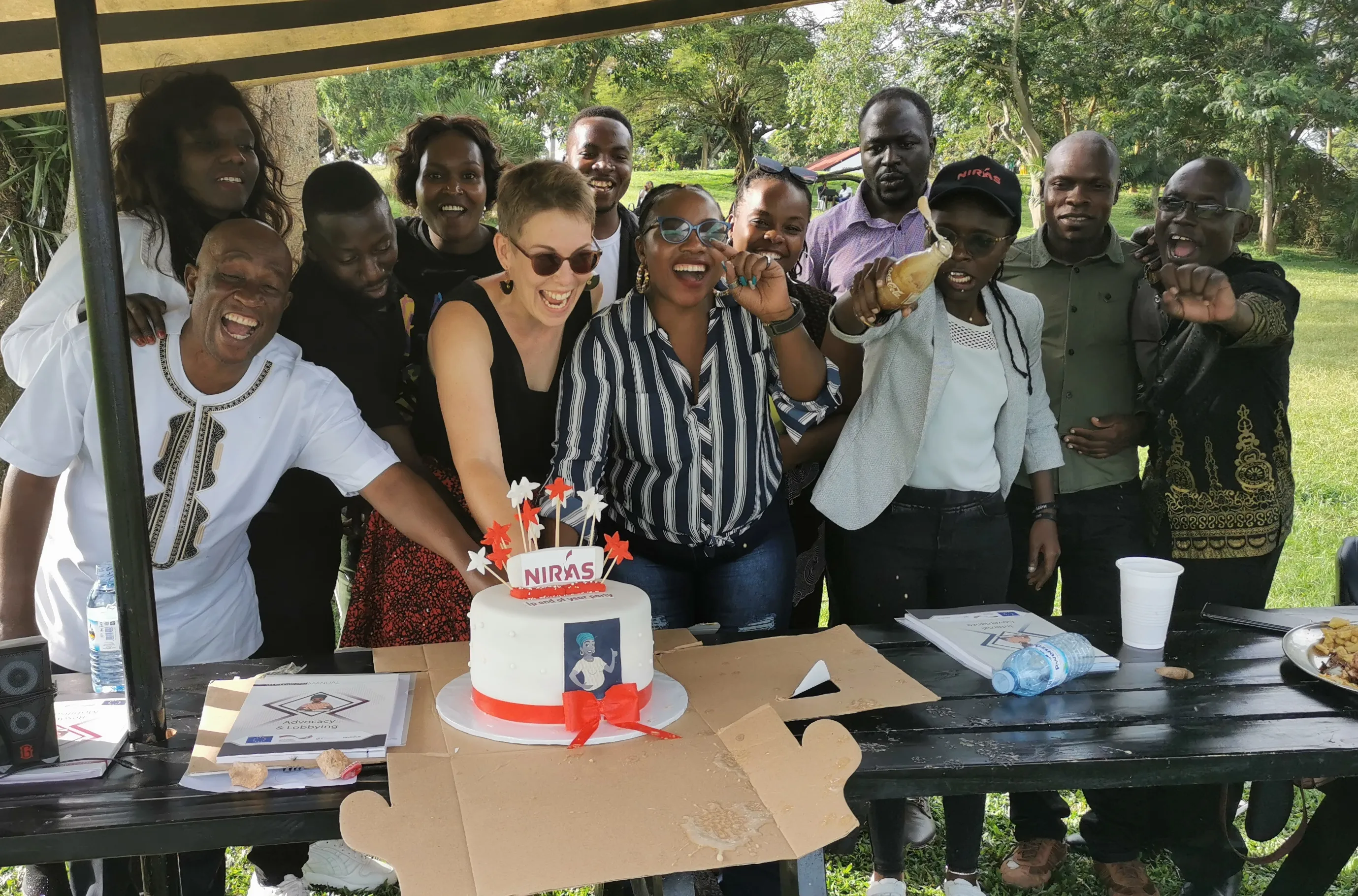
Civil Society in Uganda Support Programme (CUSP)
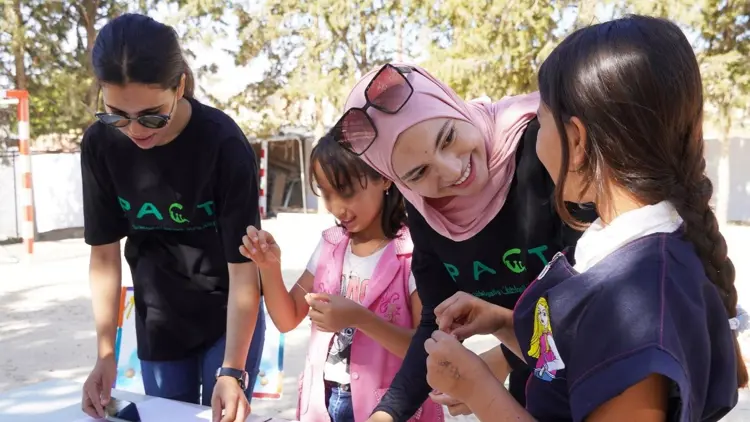
Active Citizen Participation in Tunisia (PACT)