All NIC Sectors
Number of people supported by NIRAS projects
Number of organisations supported

Number of knowledge products
.jpg)
Number of events
Transforming irrigation systems for climate-resilient agriculture in Cambodia
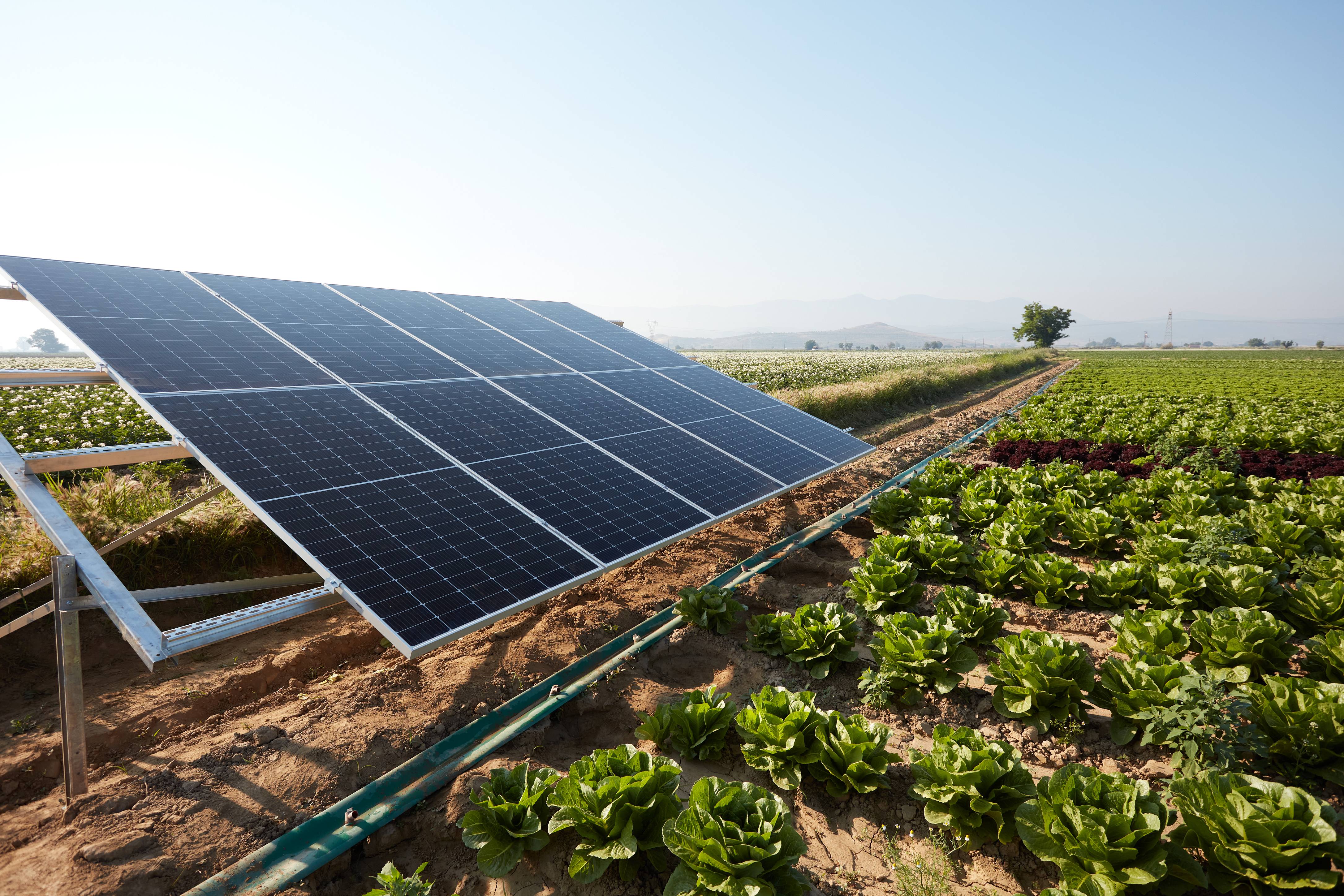
NIRAS is leading the implementation of the Water Resources Management and Agro-ecological Transition for Cambodia (WAT4CAM) project for the Ministry of Water Resource and Meteorology and Ministry of Agriculture, Forestry and Fisheries. Running from February 2020 to November 2026 (81 months), the project demonstrates how modernised irrigation and agro-ecology (climate-smart agriculture) can deliver both resilience and tangible economic gains for farmers.
In a country where over 70% of the population depends on agriculture, outdated irrigation systems have long constrained productivity. WAT4CAM addresses this by rehabilitating up to 13 medium-sized irrigation schemes and around 40 smaller systems (“preks”), while strengthening water governance and agricultural practices across five northern provinces.
The project goes beyond infrastructure. It improves irrigation management, builds institutional capacity, and promotes agro-ecological farming practices that increase productivity while reducing environmental impact. Farmers gain more reliable access to water and adopt more resilient production methods, supported by targeted training and advisory services.
Crucially, WAT4CAM links these improvements to market opportunities. By supporting certification and value chain development, the project enables farmers to capture higher value for their produce. Early results show clear economic benefits: in one case, a farmer cooperative generated nearly €17,000 in annual profits after adopting sustainable rice production standards (SRP). Such outcomes demonstrate that agro-ecology extension can strengthen both livelihoods and long-term resilience.




Delivering community-led water and sanitation at scale in Ethiopia
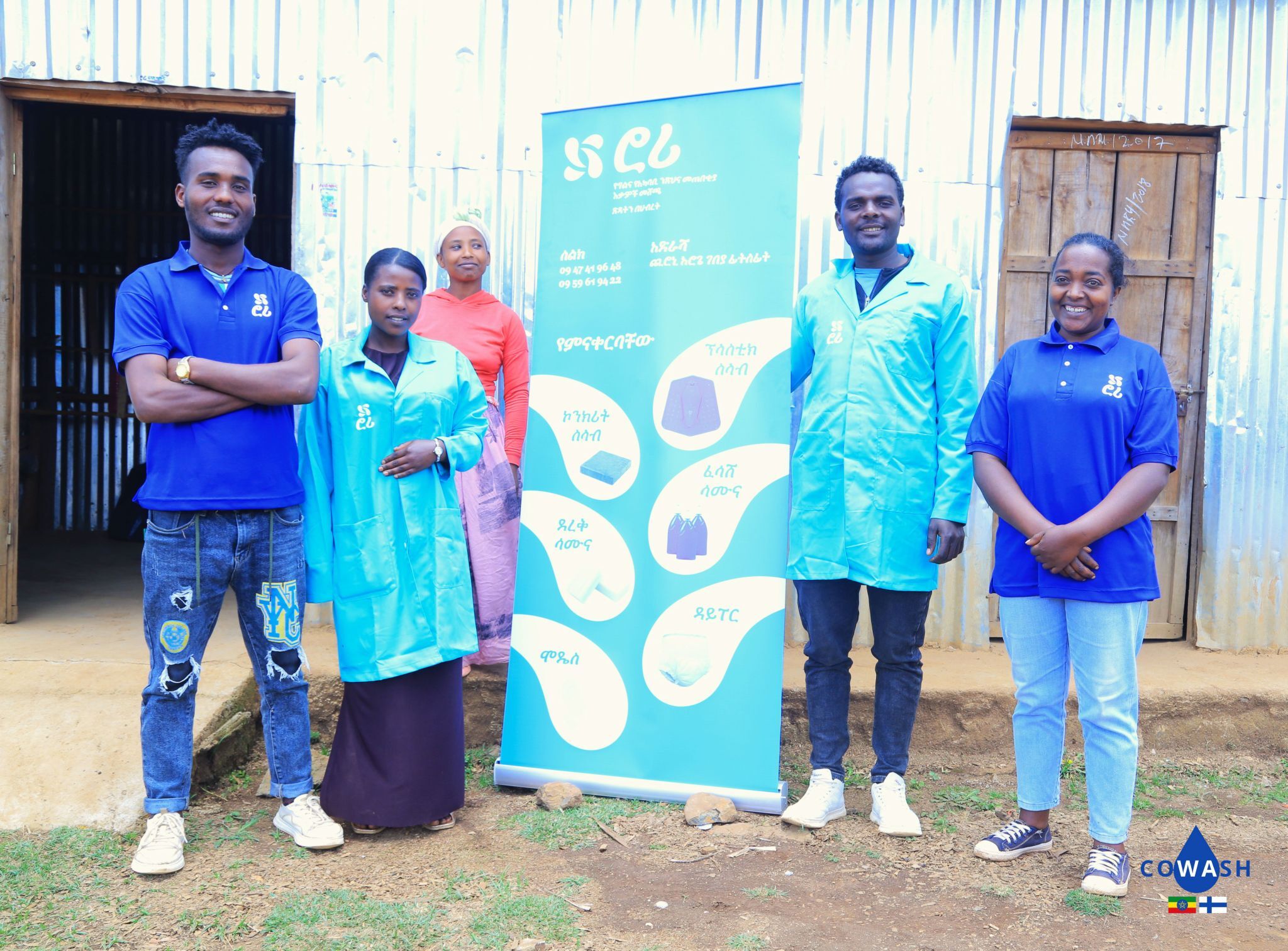
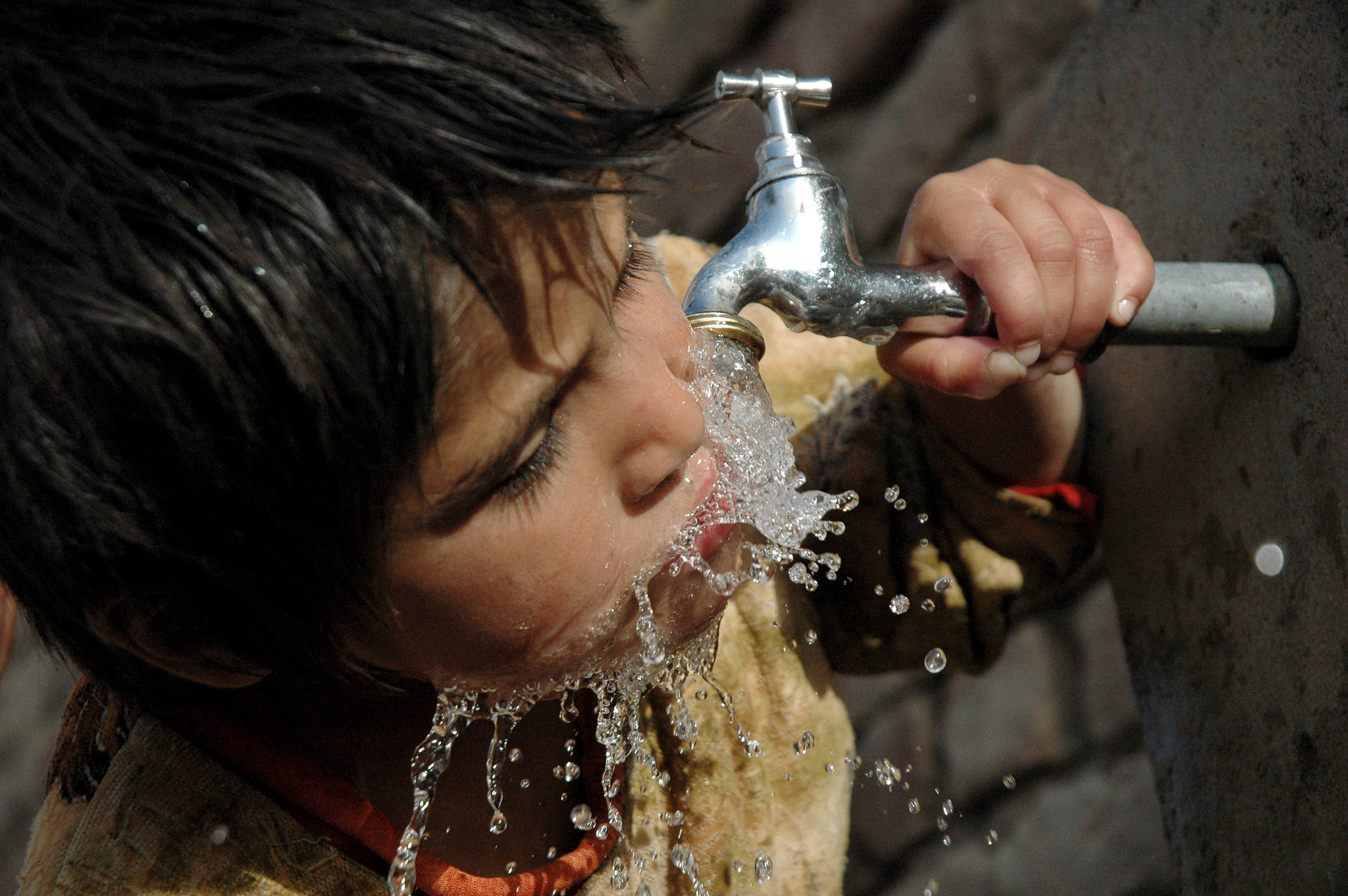
NIRAS supports the Governments of Ethiopia and Finland in implementing phase IV of the Community-Led Accelerated Water, Sanitation and Hygiene (COWASH) programme. Running from April 2021 to September 2026, the programme demonstrates how community-driven approaches can deliver sustainable, inclusive, and scalable WASH services across rural Ethiopia.
COWASH IV operates in 8 out of 12 regions in Ethiopia, reaching more than 16% of Ethiopia’s rural woredas. In a country where millions still lack access to safe water and sanitation—and where around 16% of the population practices open defecation—the programme addresses urgent service gaps while strengthening long-term system capacity.
At the core of the programme is the Community-Managed Project (CMP) approach. The essence of COWASH is to empower rural communities to plan, design, build, operate and maintain their own WASH facilities. This model builds strong local ownership and has proven more sustainable than traditional top-down delivery models.
NIRAS supports programme coordination, technical assistance, and capacity development, ensuring that systems function effectively from community to national level. The programme has a specific focus on institutional WASH—particularly in schools and health facilities, where coverage remains below 50%.
Results at the community level show tangible impact. As an example from one woreda, Wondo Genet, the programme delivered 13 new water schemes and rehabilitated existing systems, providing clean water to over 7,400 people in a single year. In total and across all regions, phase IV of COWASH has supported access to safe water through 3,904 community water points across eight regions, reaching a total of 1,003,325 people.
Beyond infrastructure, COWASH builds lasting capacity. By the end of 2025, nearly 92,000 local stakeholders received training during Phase IV, enabling communities to manage water systems independently and sustainably. The programme also mainstreams gender equality, disability inclusion, and climate resilience—ensuring no one is left behind.
By combining community ownership with system strengthening, NIRAS helps deliver WASH services that last—transforming daily life from hours spent collecting water to safer, healthier, and more productive communities.