Sustainable Infrastructure

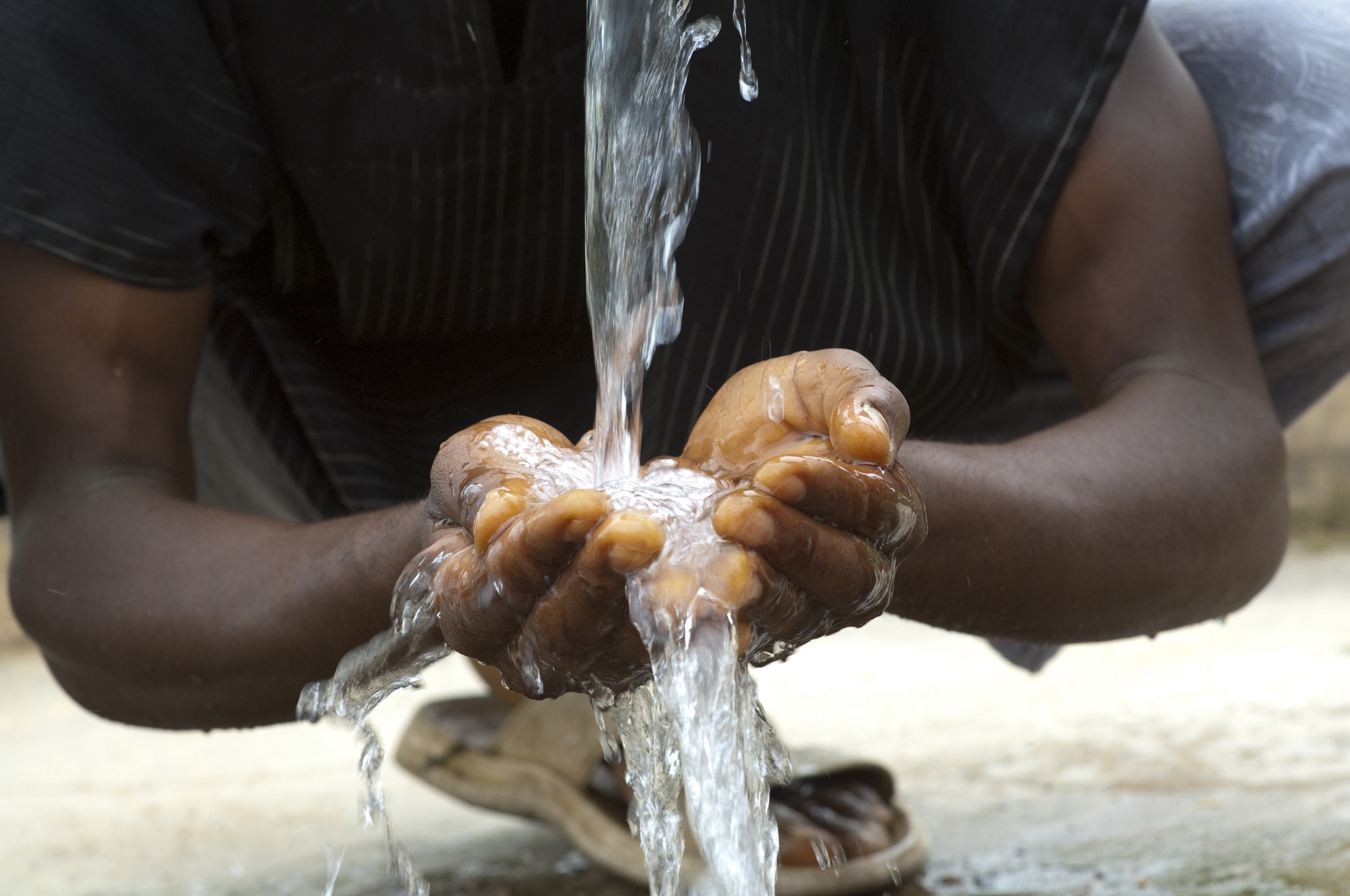
Number of people supported to gain better access to clean water or sanitation
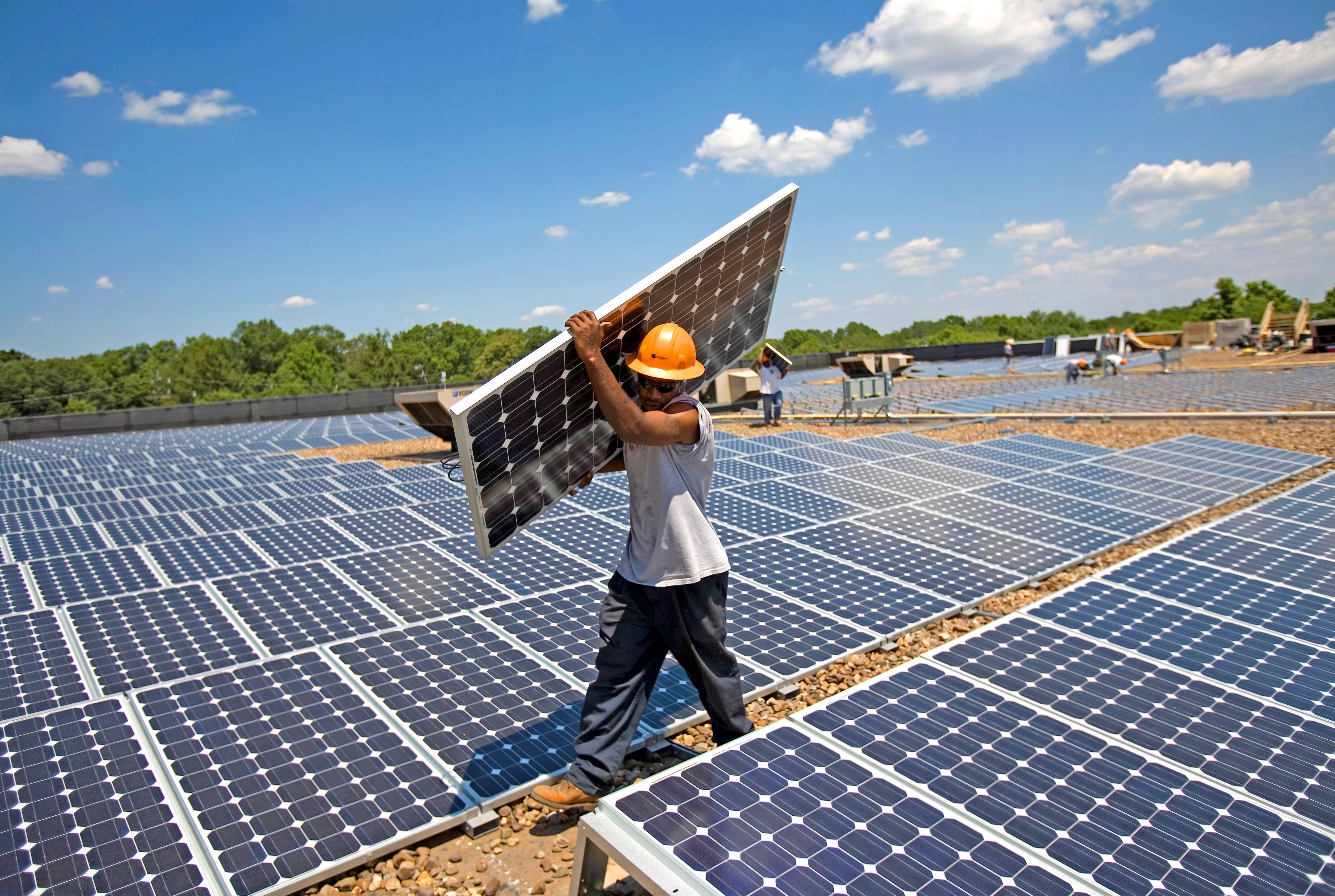
Number of people supported to gain better access to clean energy
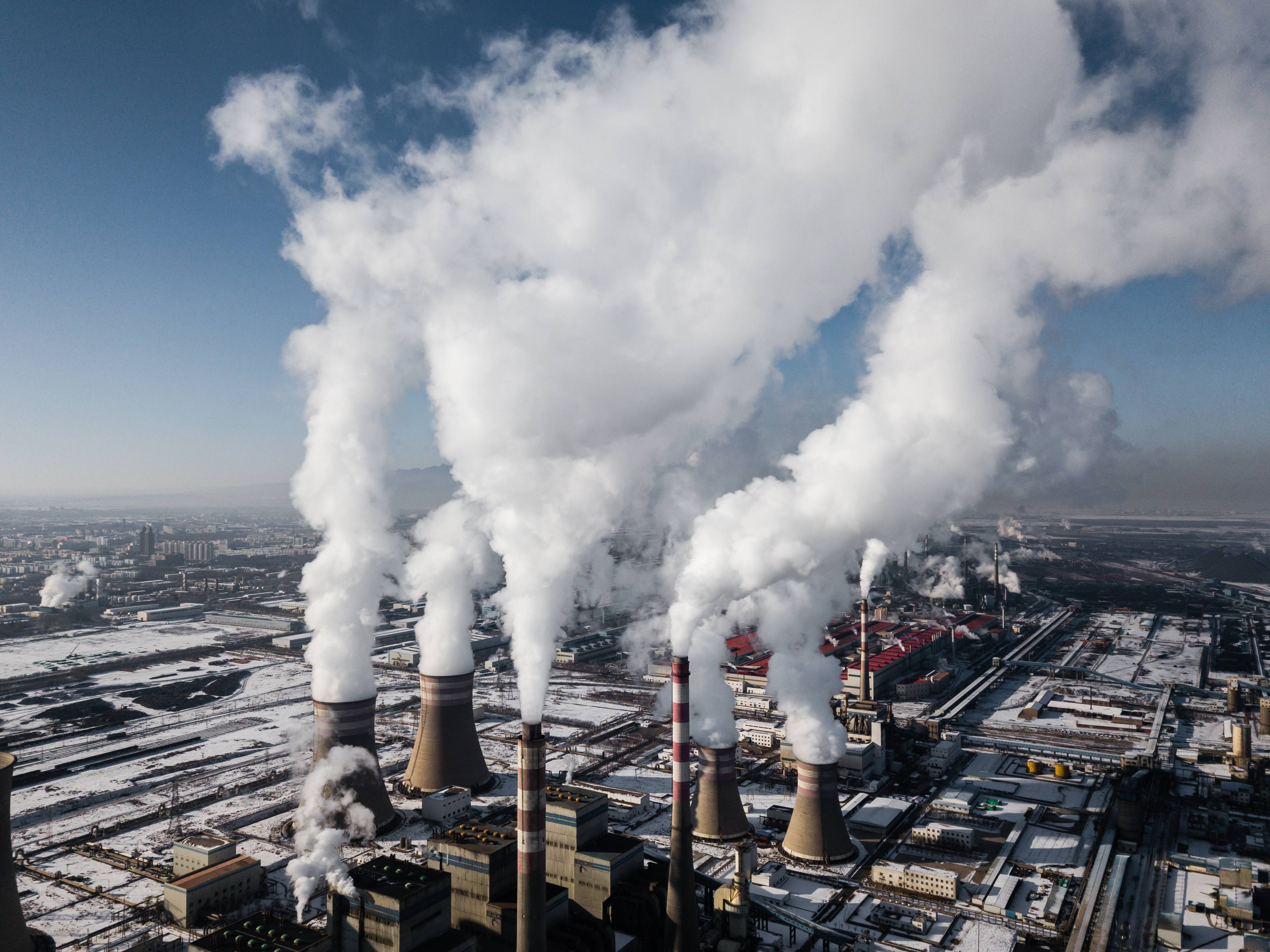
Decarbonising urban heating: A roadmap for expanding Skopje’s district heating system
NIRAS supported the United Nations Office for Project Services (UNOPS) in delivering a comprehensive feasibility study for the expansion of the district heating system in Skopje, North Macedonia, providing a long-term roadmap towards a cleaner and more efficient urban energy system. Completed in January 2026, the study offers a detailed technical, financial, environmental, and legal assessment of how the city’s three currently separate heating networks can be integrated and expanded over the next 30 years. It explores options to modernise infrastructure, incorporate new cogeneration capacity, and scale up renewable energy solutions such as large-scale heat pumps, solar thermal, and heat storage. By evaluating multiple development scenarios, the project equips heat suppliers with actionable insights to extend network coverage, transition fossil fuel users to centralised and more sustainable heating, reconnect customers, and ultimately reduce air pollution across the city—contributing to a more resilient and low-carbon future for Skopje.
Learn more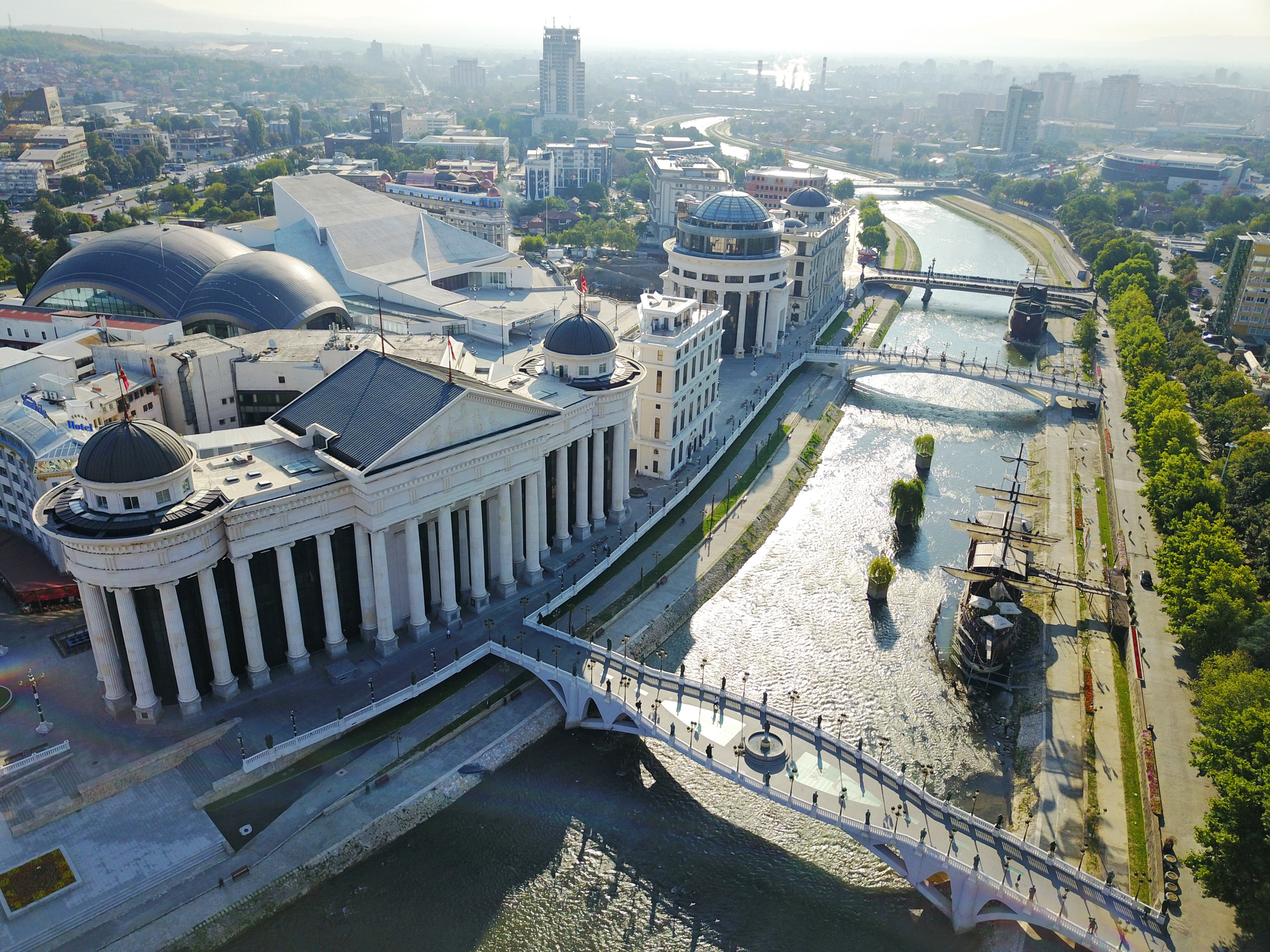
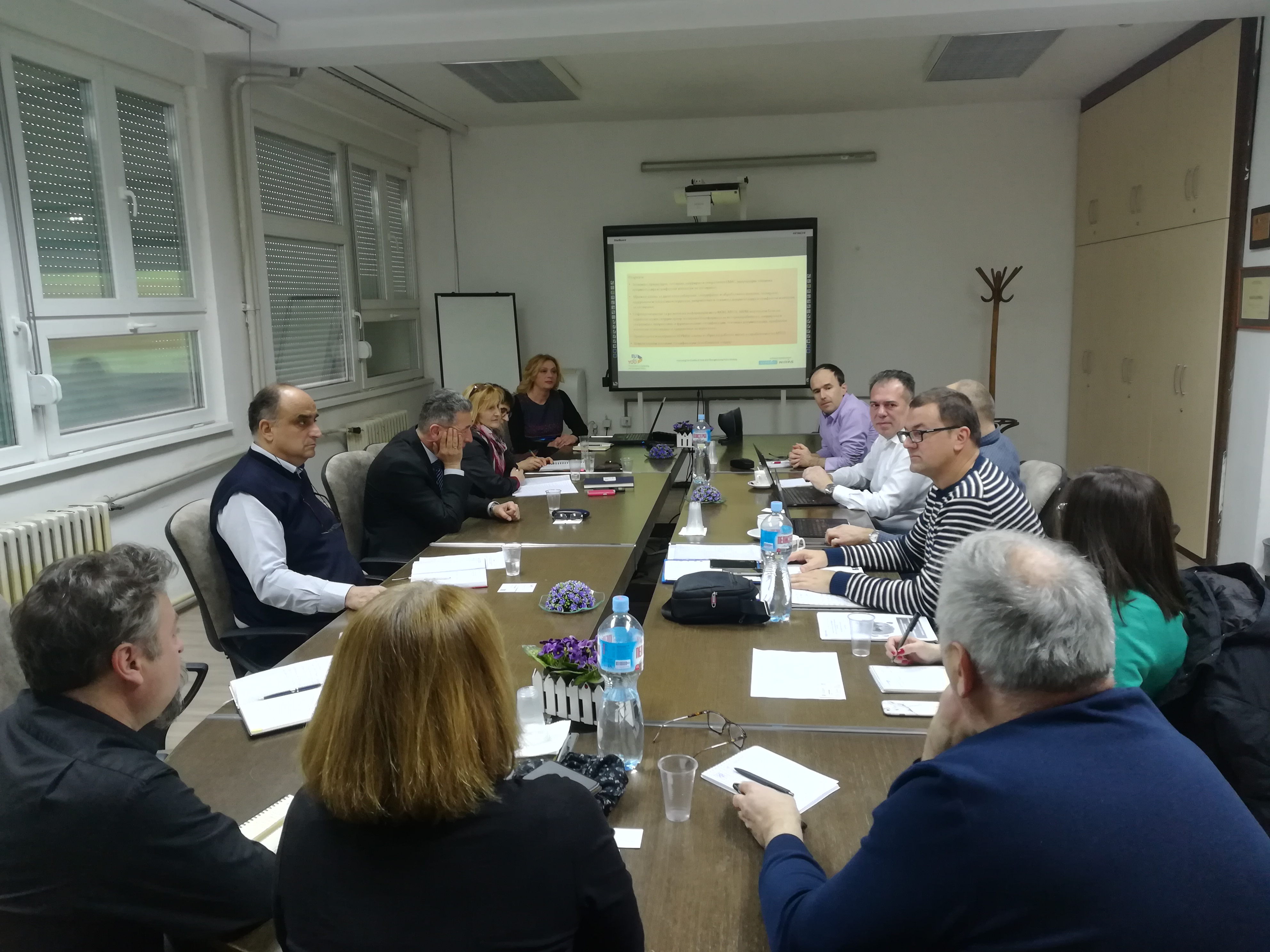
Safe water, stronger communities: improving rural water supply in Nepal
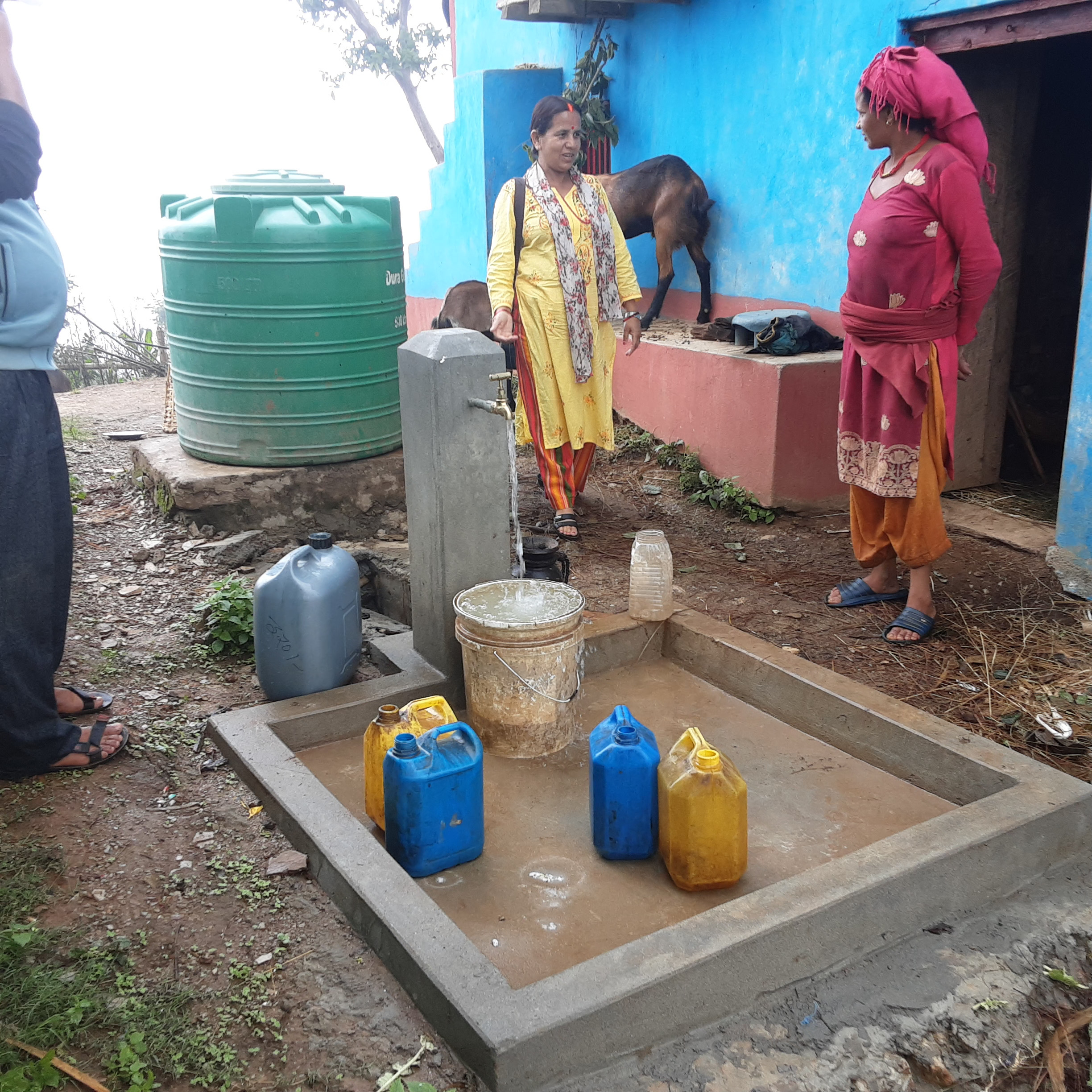
Through the Sustainable WASH for All (SUSWA) programme, NIRAS is supporting a broader effort to improve water, sanitation and hygiene services across Karnali Province in western Nepal. Implemented from mid-November 2022 over five and a half years, the programme works in 28 municipalities across all 10 districts of the province, with the aim of improving well-being and building inclusive communities through stronger local government capacity and more equitable access to safe and sustainable WASH services.
SUSWA is expected to reach approximately 176,000 beneficiaries through a combination of new drinking water schemes, reinvestment in existing systems, and improvements to the functionality, safety and climate resilience of water supply infrastructure. Alongside physical investments, the programme strengthens municipal governance, supports Water Users and Sanitation Committees, promotes sustainable operation and maintenance, and integrates human rights, gender equality, disability and social inclusion into service delivery. In one of Nepal’s least developed provinces, where many people still lack adequate water supply and 41% of schemes need major repair, rehabilitation or reconstruction, SUSWA is helping create the conditions for more reliable, inclusive and sustainable WASH services at scale.