Economic Development


Number of businesses supported to drive economic growth

Number of people employed in a new job after receiving support from NIRAS
Value of investment raised by businesses working with NIRAS projects
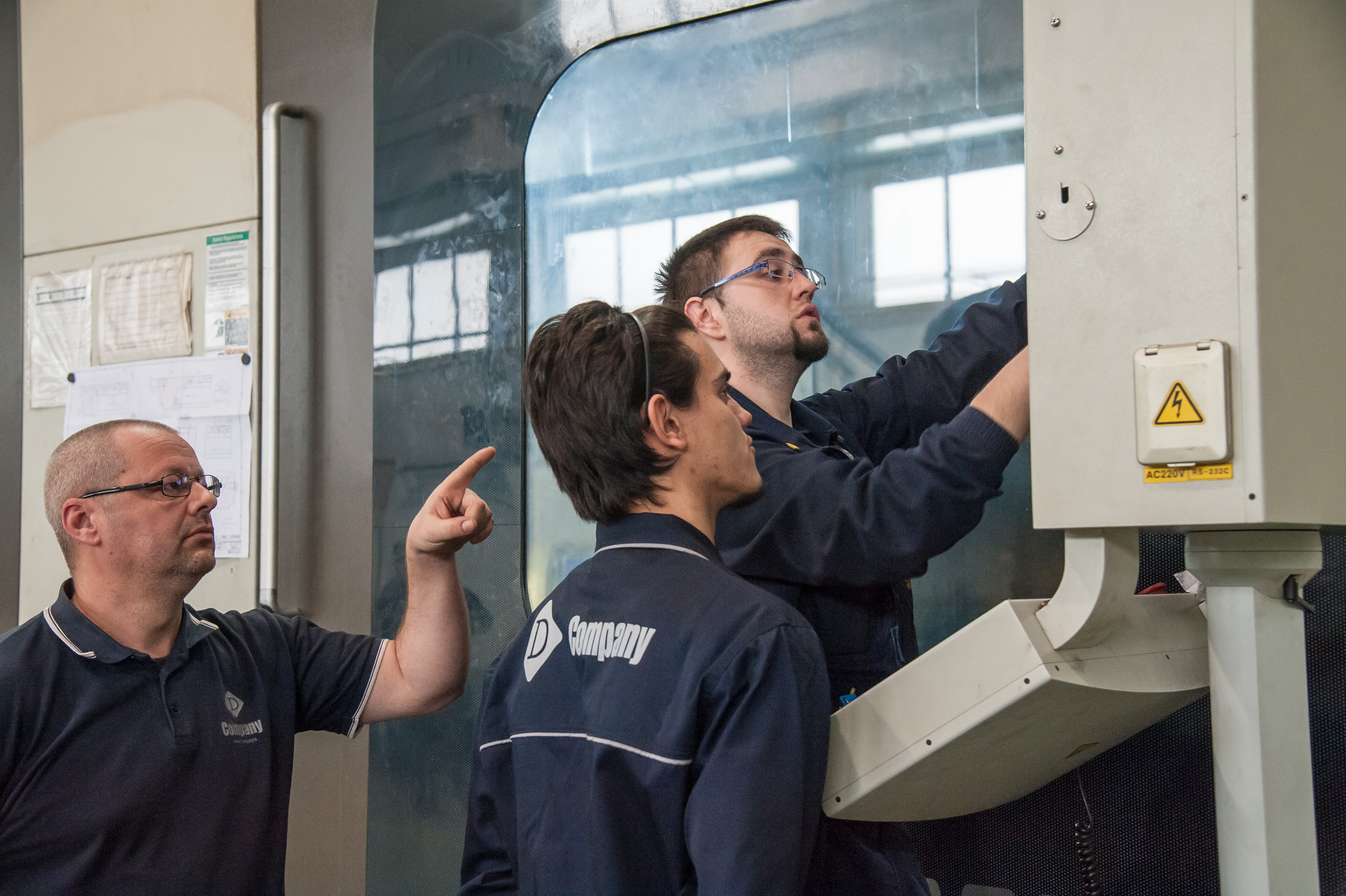
Number of people completing skills development & entrepreneurship programmes
Unlocking growth, innovation and jobs for Kenyan SMEs
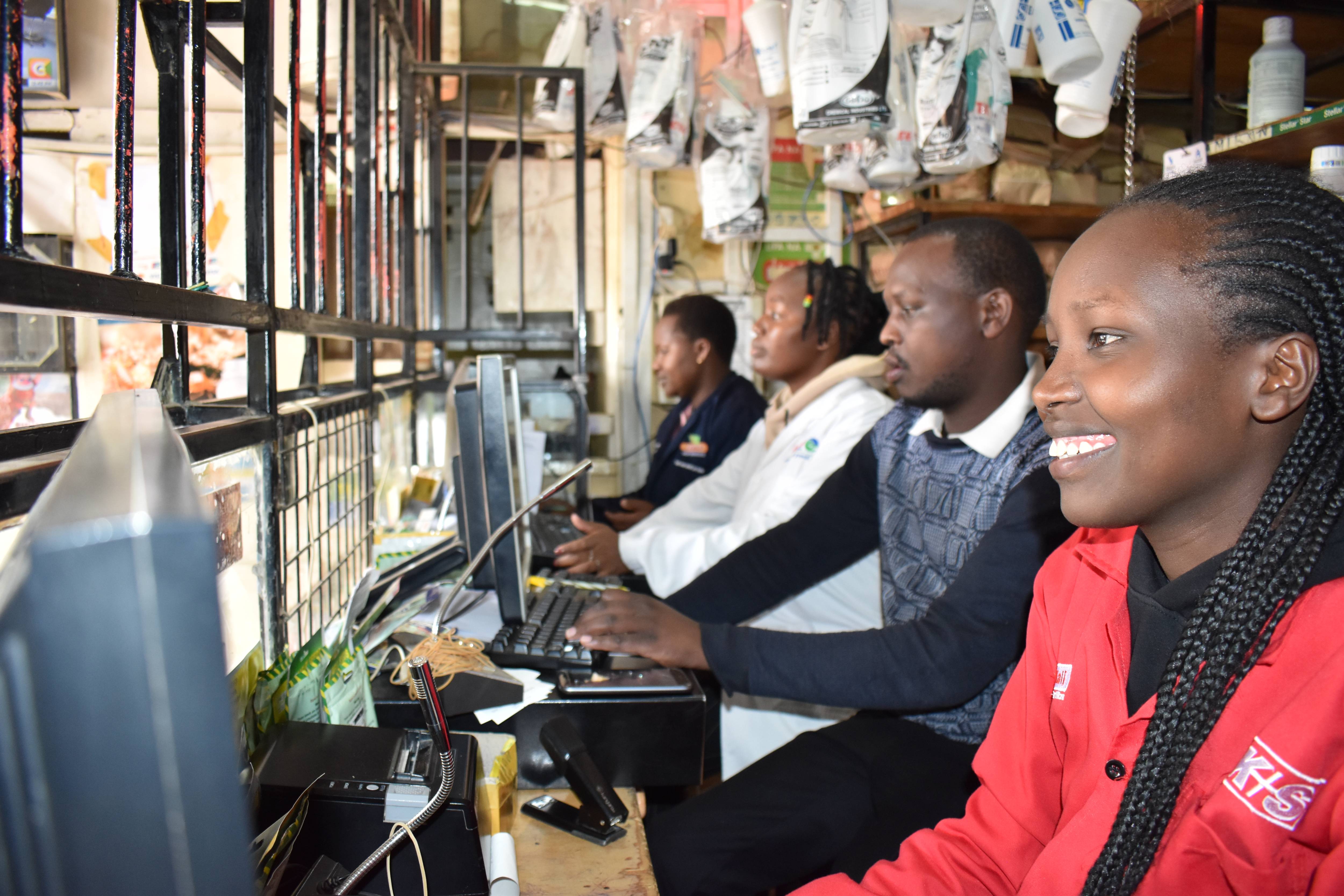
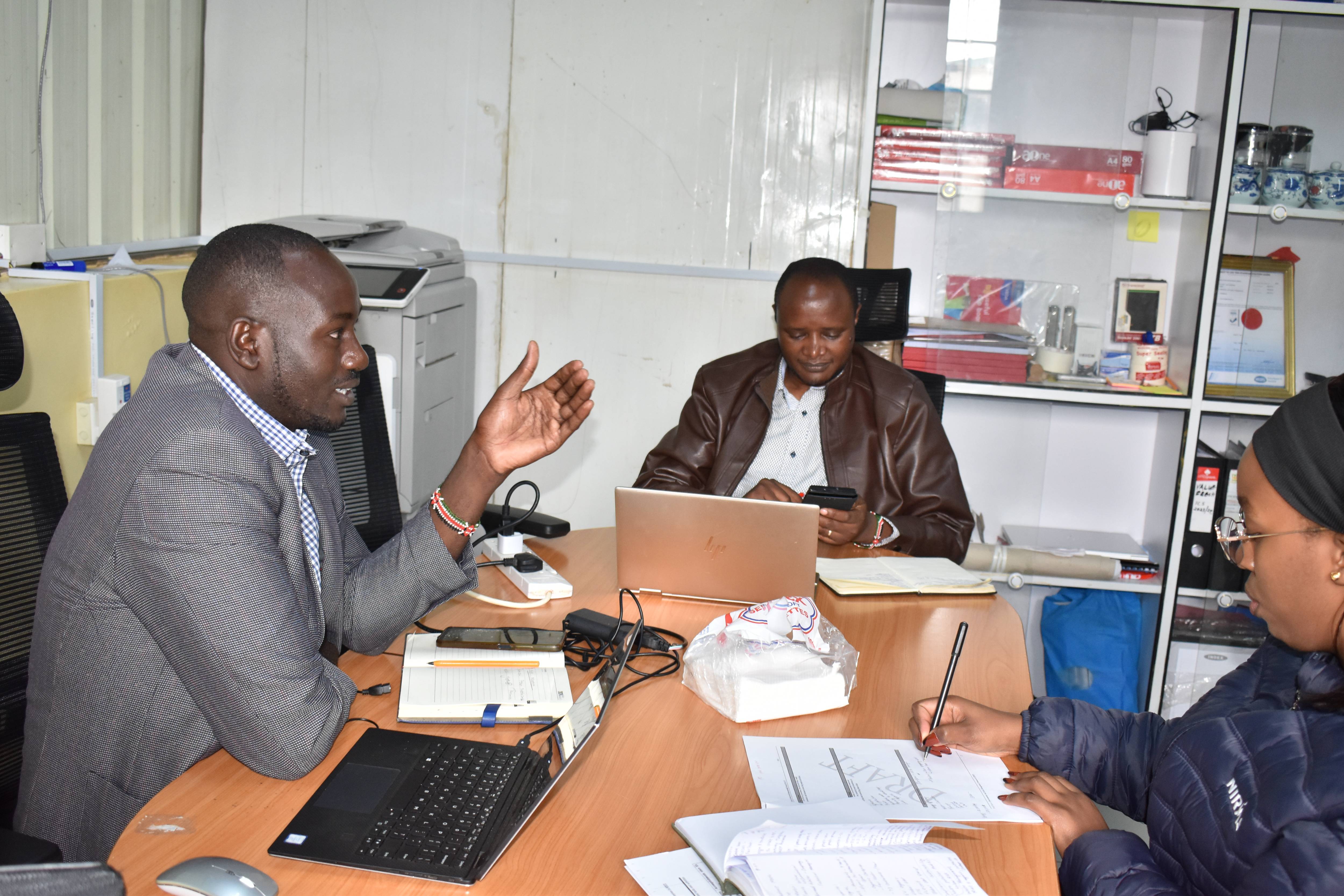
Together with our partner Intellecap, NIRAS led the implementation of the Kenya Industry and Entrepreneurship Project (KIEP 250+) for the World Bank and the Government of Kenya. Running from 2020 to 2025, the project demonstrates how targeted technical assistance and performance-based grants can unlock growth and competitiveness in small and medium-sized enterprises (SMEs).
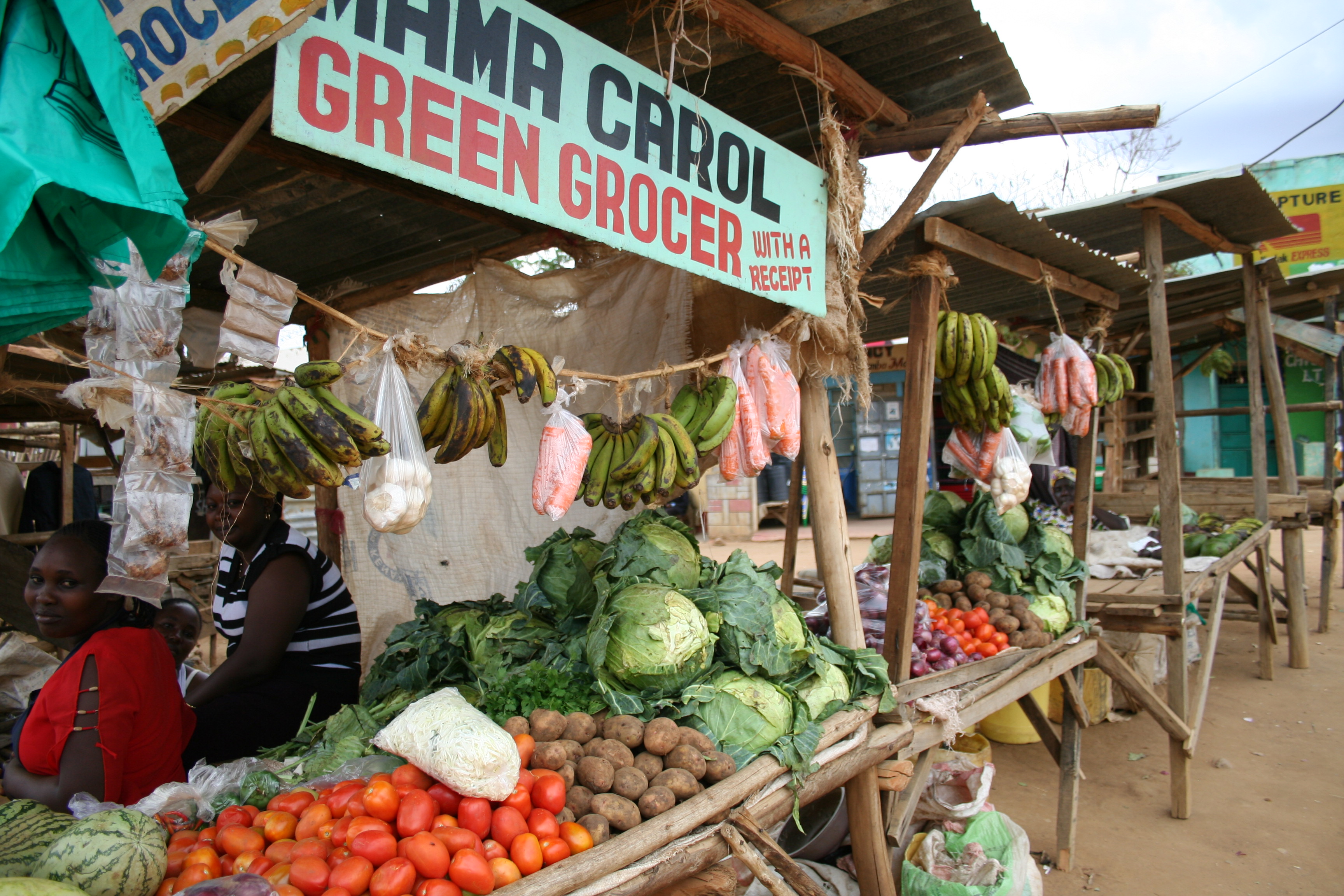
SMEs account for 98% of businesses in Kenya and generate around 90% of jobs, yet many struggle with limited access to finance, skills, and markets. KIEP 250+ addressed these constraints by combining business diagnostics, tailored advisory support, and grant funding to accelerate enterprise growth and innovation.
The project supported 142 SMEs, half of which were women-led, through a structured process that identified growth bottlenecks and financed targeted improvements. In total, 178 enterprises received detailed diagnostics, while over 1,000 applied to take part in the intervention, demonstrating strong demand for this type of support.
Results show clear business transformation. Revenues increased in 40 SMEs, almost four times the original target, while individual firms reported gains such as 47% revenue growth following digitalisation and process upgrades. Innovation also exceeded expectations, with 103 companies introducing new products, services, or technologies, strengthening competitiveness and market reach.
The project placed strong emphasis on skills and organisational change. It trained more than 3,000 staff members, equipping SMEs with the capabilities to sustain growth and adapt to market shifts.
By linking finance, skills, and innovation, KIEP 250+ enabled SMEs to expand operations, create jobs, and enter new markets. NIRAS’ integrated approach shows how relatively modest, well-targeted investments can catalyse significant firm-level transformation and, at scale, contribute to more inclusive and resilient economic growth.

Strengthening Ethiopia’s biomedical workforce: From training to health system impact
NIRAS supports the Ethiopian Ministry of Education in implementing the project Capacity Development in the Field of Training for Health Care Specialists and Technicians, funded by the German Government. Launched in 2019 under Ethiopia’s Growth and Transformation Plan II, the project aims to strengthen the qualifications of biomedical graduates by aligning training systems with the needs of a modern, industrialising economy.
Ethiopia’s ambition to expand its healthcare system and industrial base depends on a skilled workforce. Yet, limited practical training, outdated equipment, and gaps between education and private sector needs have constrained graduate readiness. The project addresses these challenges across three types of institutions—TVET colleges, universities and institutes of technology, and teaching hospitals—by increasing the practical share of training and strengthening links to real-world healthcare environments.
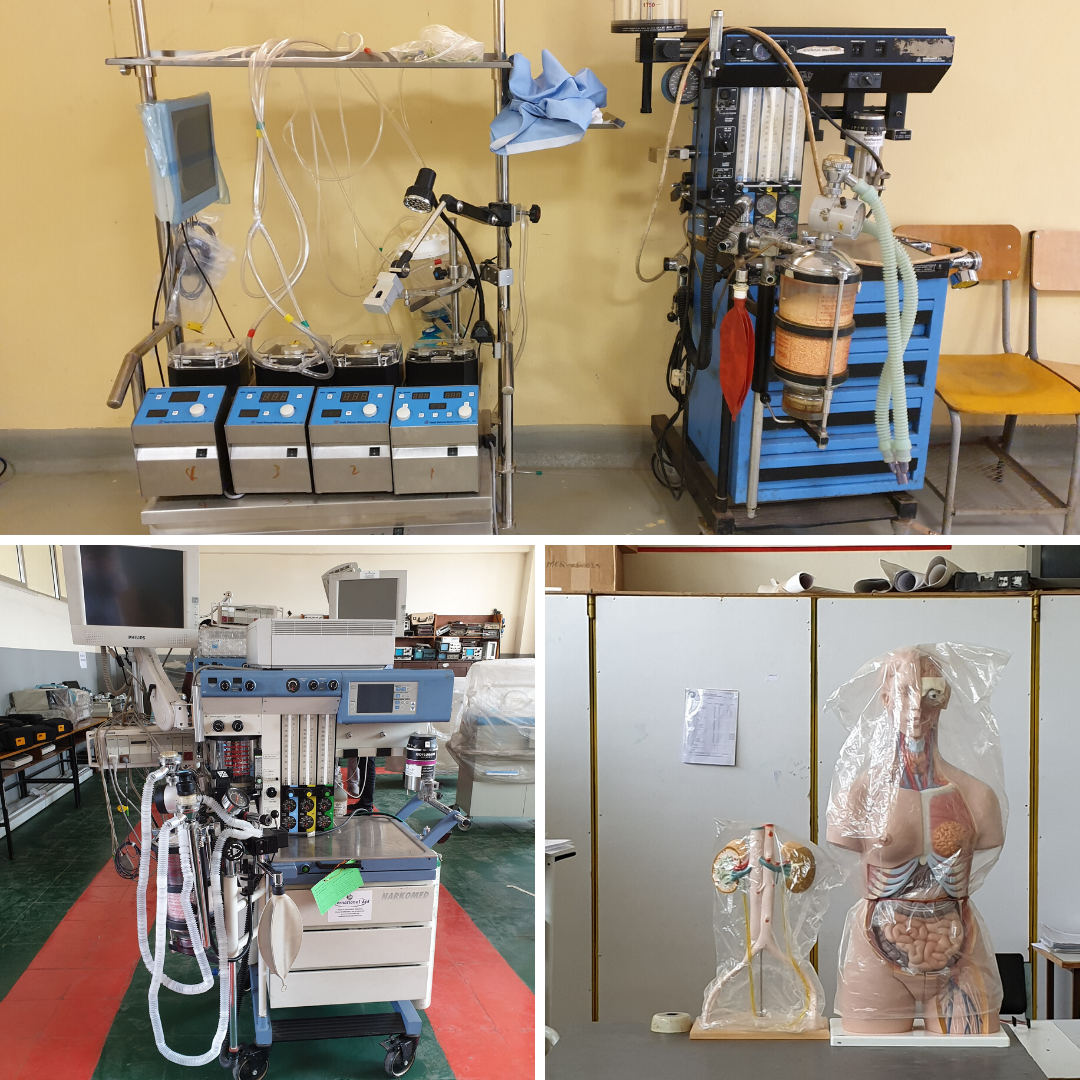
NIRAS plays a central role in delivering this transformation. The team supports equipment specification and procurement, financial and contract management, as well as the design and delivery of training for medical equipment maintenance technicians, engineers, and end users. Through a €16.5 million programme, the project equips institutions with renovated standard ICU wards, modern ICU medical equipment, tools, and instruments, while simultaneously building the capacity of staff to use them effectively.
In 2024 alone, more than €3.6 million worth of state-of-the-art medical equipment, tools and instruments were delivered to eight teaching hospitals including over 800 pieces of ICU and operating room equipment. These interventions are already demonstrating a significant impact. Teaching hospitals report a more than 150% increase in service capacity, while students and healthcare professionals can now actually practise on the same technology and equipment as are used in clinical practice, rather than only seeing them as examples in training guides or during demonstrations.
By linking education, infrastructure, and hands-on skills development, NIRAS is helping to build a new generation of biomedical professionals—strengthening both Ethiopia’s healthcare system and its broader economic transformation. Ethiopia’s policy on inclusion has resulted in providing access for women to the courses supported by the project. Many of the TVET courses which include engineering related topics and which previously were mostly attended by men now include 70% or more young women.