Climate, Landscapes & Agriculture
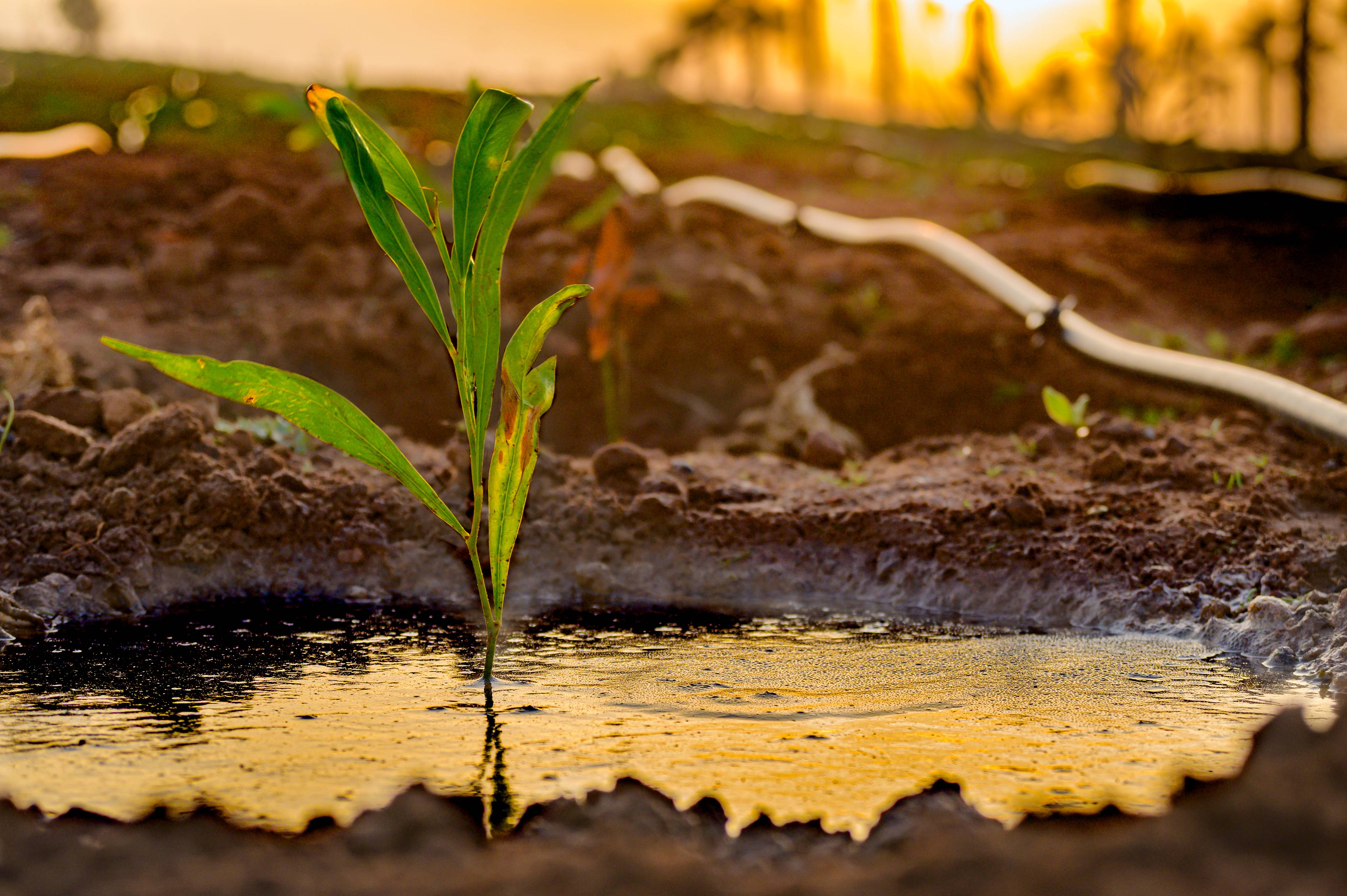

Number of people supported to become more resilient to climate change
Number of farmers and livestock keepers supported to produce & sell or be more profitable


Number of organisations supported to improve their work on climate change, environment or natural resource management
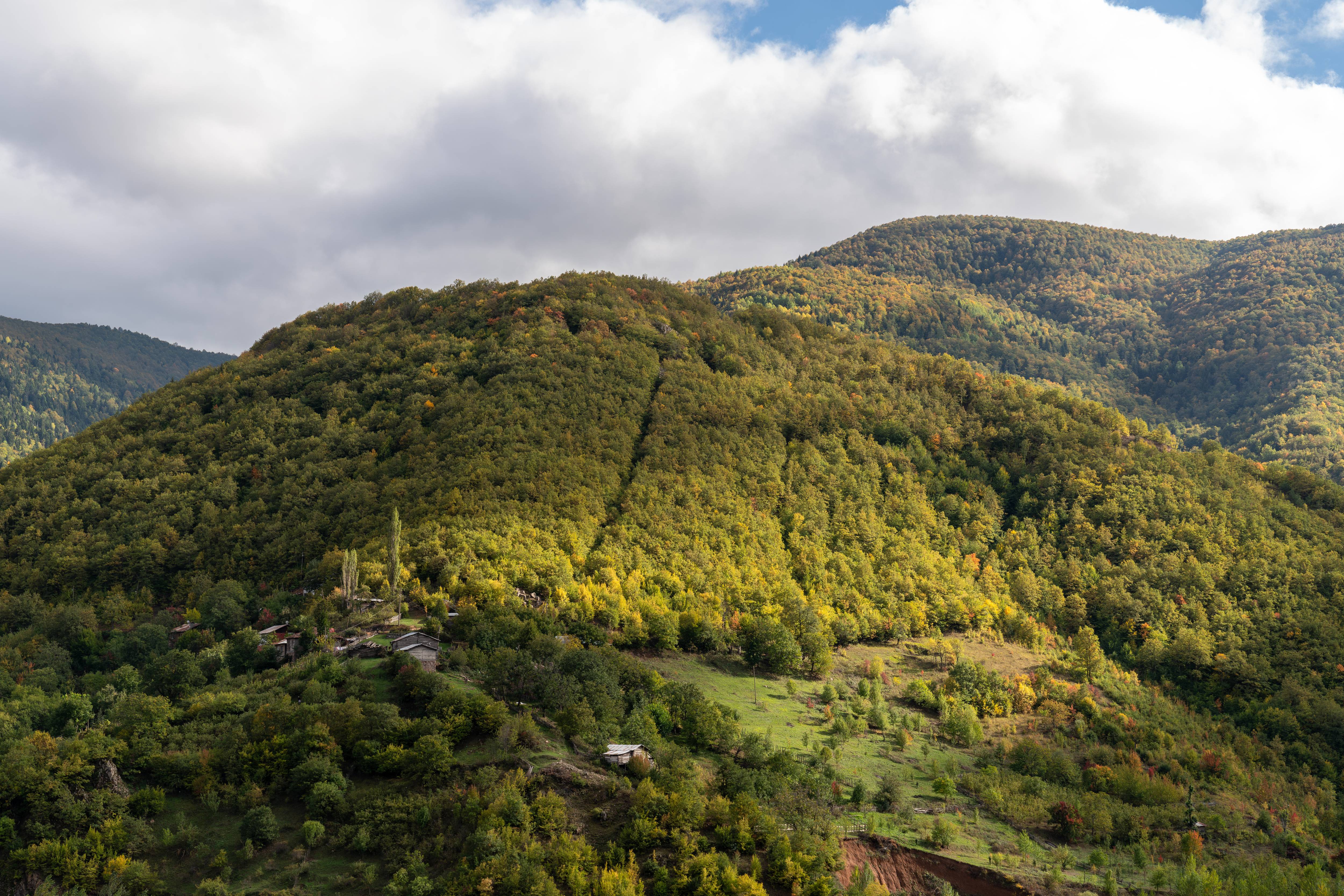
Hectares of land under improved management

Number of people supported to secure improved land tenure rights
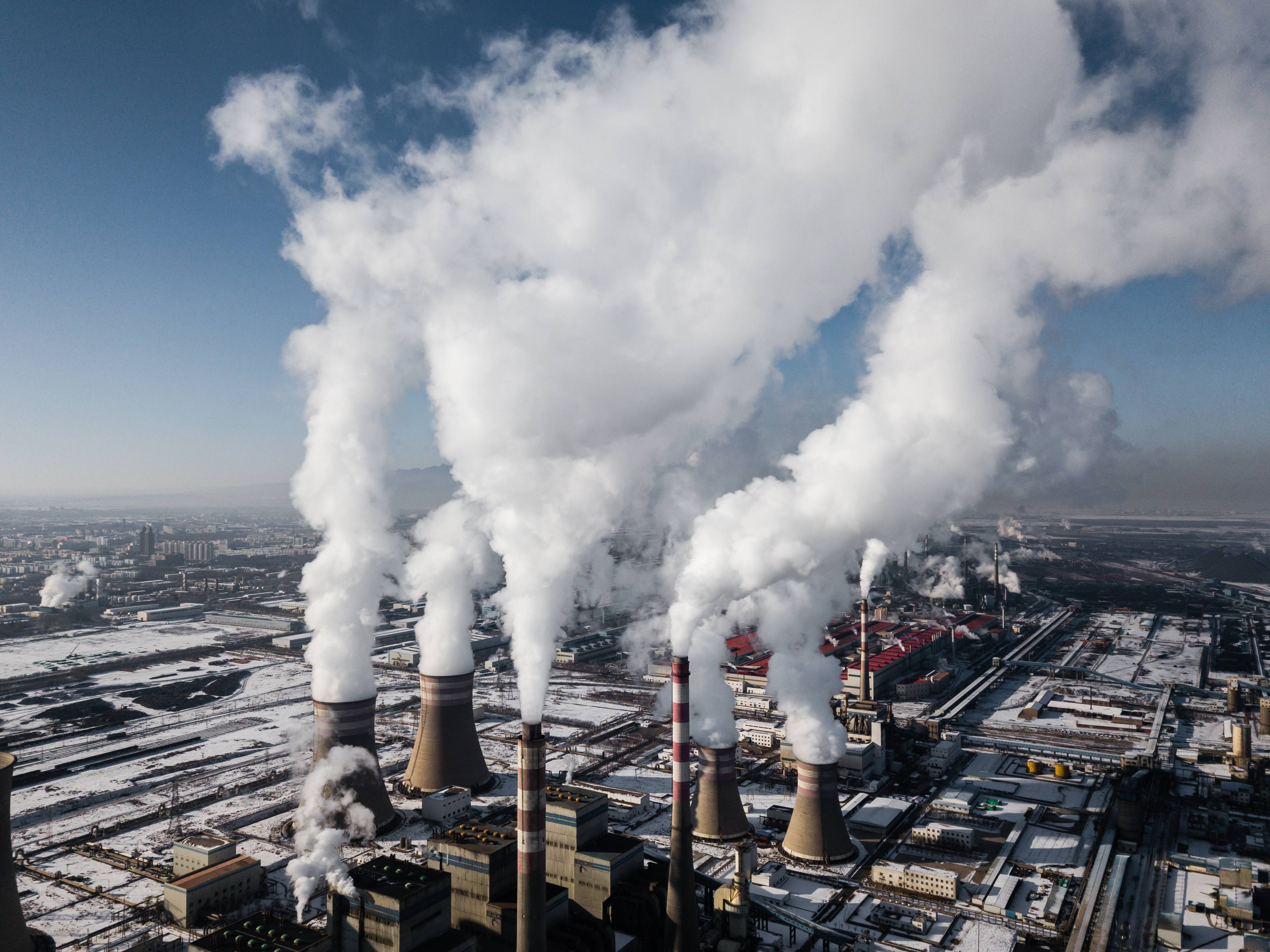
Tonnes of CO2 equivalent emissions avoided
Proving that inclusive agri-food systems are a smart investment
The UK-funded Commercial Agriculture for Smallholders and Agribusiness (CASA) programme set out to show that inclusive agri-food systems can deliver both development impact and commercial returns. Running from 2019 to 2026 in Ethiopia, Malawi, Nepal, Rwanda and Uganda, the programme aimed to unlock investment into smallholder agriculture by strengthening market systems, supporting agribusiness innovation, and generating evidence on what works at scale.
Smallholder farmers often face barriers to finance, markets, and knowledge, limiting their ability to benefit from commercial agriculture. CASA addressed these challenges through technical assistance, investment facilitation, and support to agribusinesses to build inclusive supply chains that integrate smallholders.
NIRAS led Components A and C, combining hands-on market systems development with evidence generation. This included piloting inclusive business models and translating lessons into practical insights for investors, agribusinesses, and policymakers.
The programme reached over 436,000 smallholder farmers and leveraged over £15 million in investment. Farmers increased their incomes by an average of £183 (a 63% rise since start), demonstrating that inclusive approaches can deliver real economic gains.
By strengthening links between farmers and markets, CASA showed that inclusive agriculture can be commercially viable, scalable, and resilient—making it a smart investment for long-term growth.



Managing public forests for conservation and economic value
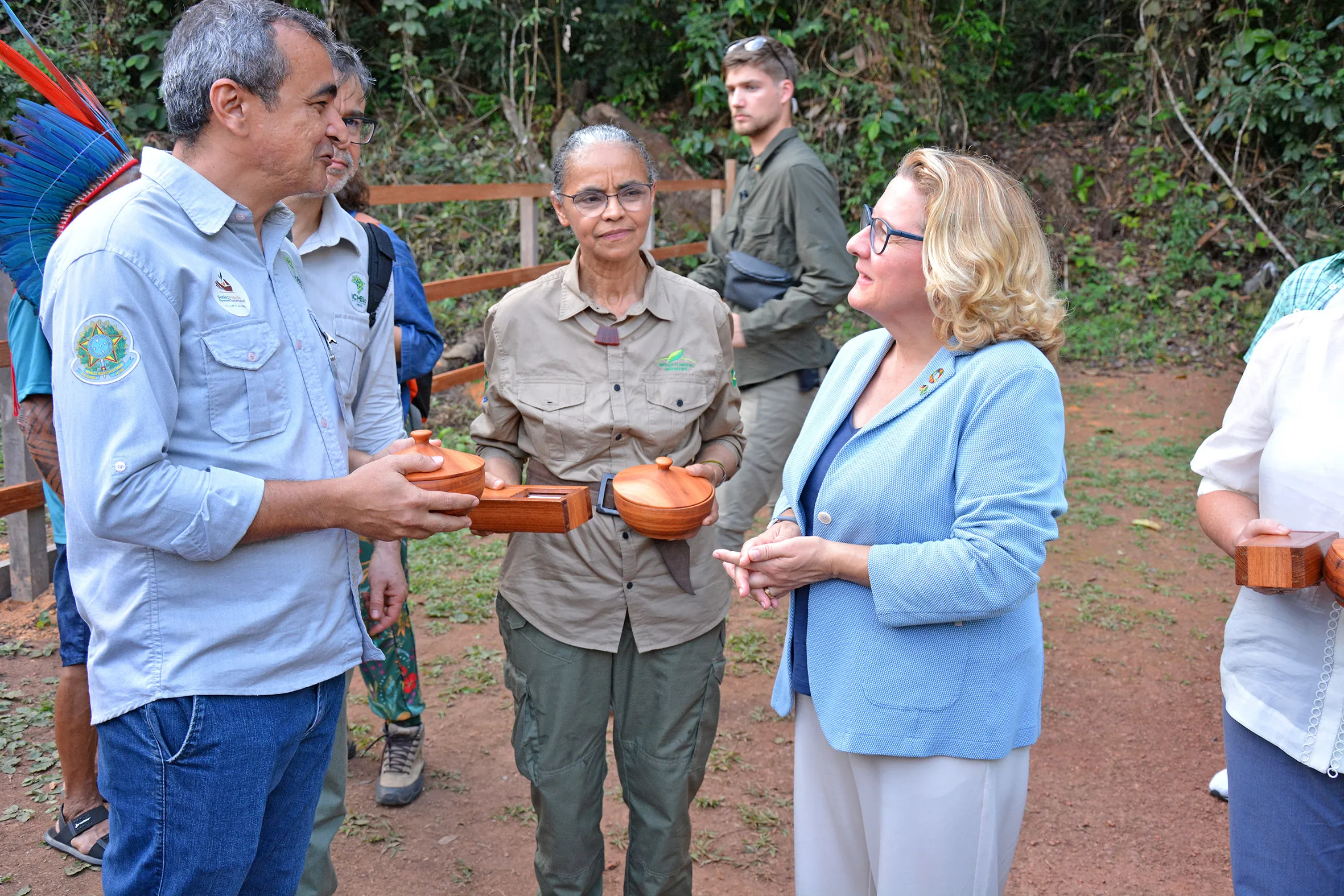
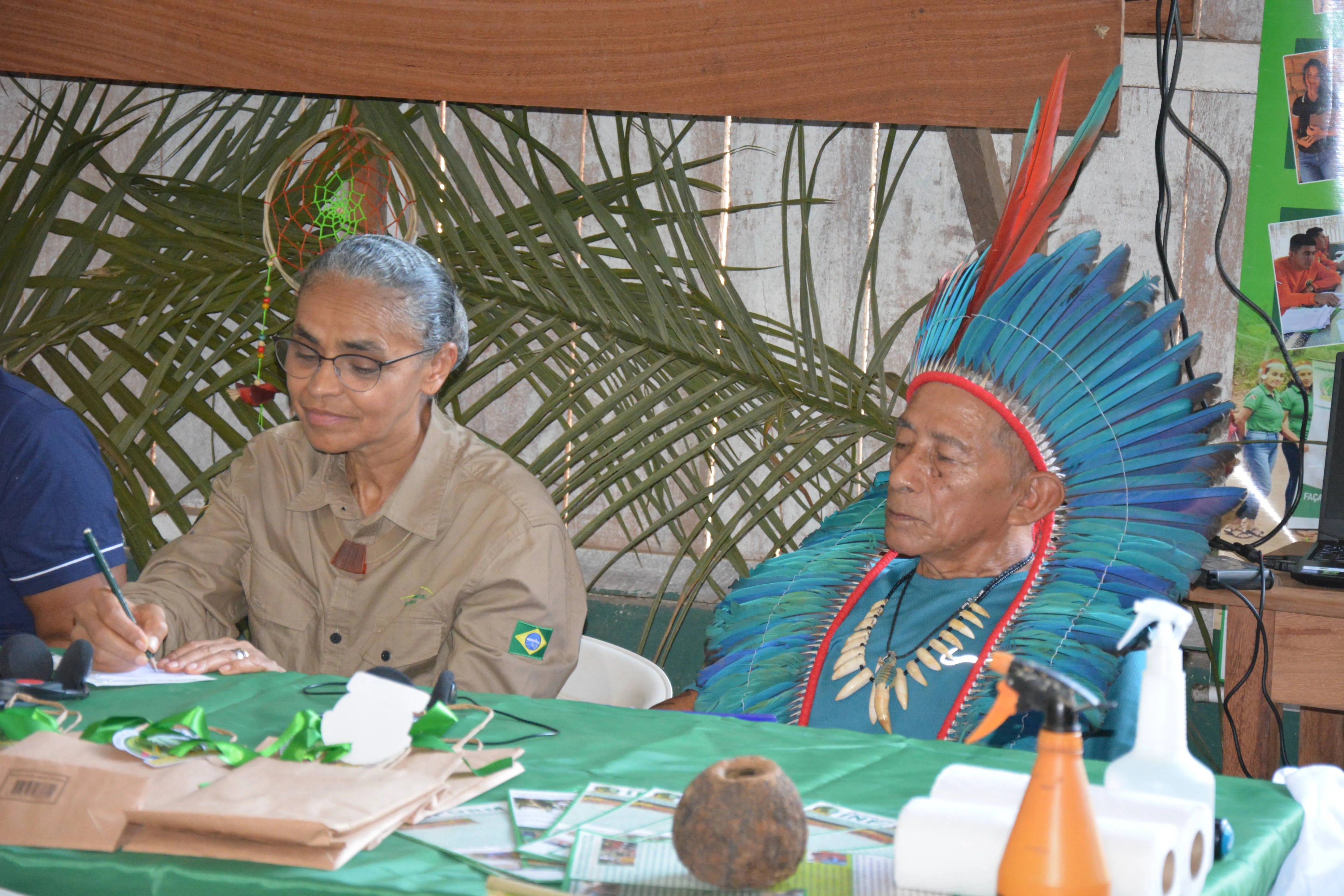
The programme Forest Management for Sustainable Production in the Amazon aimed to reduce deforestation while promoting the sustainable economic use of Brazil’s public forests. Implemented from 2014 to 2025, the initiative supported the Brazilian Forestry Service and the Chico Mendes Institute for Biodiversity Conservation to strengthen forest governance and ensure that natural resources are preserved for future generations.
Brazil’s vast public forests face ongoing pressure from illegal logging and unsustainable land use. The programme addressed these challenges by strengthening the management of protected forest areas—Florestas Nacionais—where logging can only take place under regulated concession systems. By improving how these forests are planned, monitored, and managed, the project helped create a framework for responsible and economically viable forest use.
NIRAS, in partnership with Detzel Consulting, supported the demarcation and management of 24 national forests, alongside the implementation of forest concessions and training on sustainable forest practices. This approach combined environmental protection with economic opportunity, enabling controlled timber production while safeguarding biodiversity and ecosystem services.
The results highlight the value of this model. The programme contributed to the creation of around 1,500 jobs through businesses supplying goods and services to the forest sector, demonstrating that sustainable forest management can generate livelihoods while reducing pressure on natural resources.
By linking conservation with regulated economic use, the programme showed how public forest management can play a critical role in tackling deforestation—offering a scalable approach to protecting the Amazon while supporting local economies.